


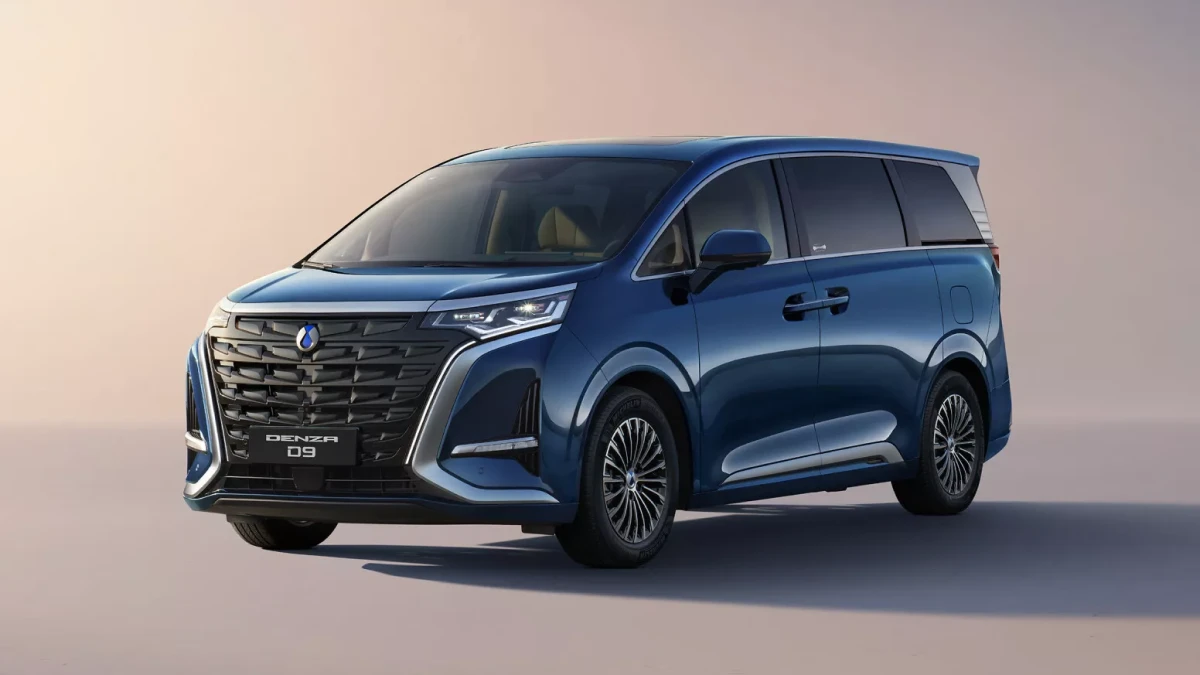
For years, luxury in the Indian automobile market followed a familiar formula. If someone wanted to make a statement, they bought a Mercedes-Benz S-Class, a BMW 7 Series, a Range Rover or a large luxury SUV. The bigger the vehicle, the more powerful its road presence, and the more premium its badge, the greater the sense of achievement.
But something interesting is changing.
A different kind of luxury vehicle is increasingly finding its way into the garages of India’s business leaders, celebrities, entrepreneurs and affluent families. These are not traditional luxury sedans or SUVs. They are large, chauffeur-friendly MPVs designed to make the journey itself an experience.
The Toyota Vellfire has already established itself as a desirable luxury people-mover. The Lexus LM has taken the idea several steps further with an ultra-luxury cabin. Kia offers the Carnival as a more accessible premium family MPV, while MG has entered the electric space with the M9. Mercedes-Benz has brought back the V-Class, and now BYD’s luxury brand Denza is preparing to introduce the D9 in India.
What makes this development particularly interesting is the growing price ladder. Buyers can enter the premium MPV category with the Kia Carnival at around ₹60 lakh, move towards electric luxury with the MG M9, consider the upcoming Denza D9, or step into the ₹1 crore-plus space with the Toyota Vellfire and Mercedes-Benz V-Class. At the very top sits the Lexus LM, which takes rear-seat luxury to another level.
This is no longer simply a story about people who need seven seats. It is about a new definition of luxury: space, privacy, comfort, productivity and the ability to travel without feeling that you are travelling.
So why are carmakers suddenly interested in this segment? Why would someone spend ₹1 crore or more on an MPV when a luxury SUV or sedan is available at a similar price? And could the Denza D9 be the next important name in India’s growing luxury people-mover market?
India’s Luxury Car Buyer Is Thinking Differently
The Indian luxury car market has traditionally been dominated by sedans and SUVs. Sedans represented executive status, while SUVs offered road presence, a commanding driving position and the ability to handle different road conditions.
However, the requirements of many luxury-car buyers are changing.
For a business owner travelling between meetings, a celebrity moving between shoots and events, or a family planning frequent long-distance journeys, the most important seat in the car may not be the driver’s seat. It may be the second row.
This is where luxury MPVs offer something that conventional luxury cars often cannot.
Instead of making passengers adjust themselves to the shape of a car, these vehicles are designed around the passengers. The cabin becomes the priority. There is room to stretch, recline, work, relax or simply enjoy the journey.
A large luxury SUV may offer an impressive exterior and a premium cabin, but a dedicated luxury MPV can provide a more spacious second row, easier access, individual captain seats and a more flexible passenger environment.
The shift is also visible in the way manufacturers are positioning these vehicles. They are increasingly being presented as private lounges, executive spaces and chauffeur-driven luxury experiences rather than conventional family transport.
How to Maintain Leather Car Seats in India: Cleaning, Heat Protection and Tips to Prevent Cracks
India’s Luxury MPV Market Is Growing
The growth of luxury MPVs in India is becoming difficult for manufacturers to ignore.
According to JATO Dynamics data reported by Business Today, luxury MPV sales increased from approximately 1,061 units in FY2024 to 4,061 units in FY2026. Their share of the MPV market reportedly increased from 2.3% to 7.2% during the same period.
Toyota’s Vellfire provides another example. The luxury hybrid MPV crossed 5,000 cumulative sales in India by April 2026, according to SIAM data reported by Autocar India. It recorded 1,483 units in FY2026, its strongest annual performance since its introduction.
These numbers are particularly interesting because the Vellfire is priced above ₹1 crore. Its growth suggests that buyers are willing to pay a substantial premium when a vehicle delivers the right combination of space, comfort and convenience.
Mercedes-Benz has also identified an opportunity. The company brought back the V-Class in March 2026 at an introductory price of ₹1.40 crore and has positioned it within its top-end vehicle portfolio.
The message is clear: the luxury MPV market may not match the volumes of mainstream SUVs, but it is becoming an increasingly attractive premium segment.
The Luxury MPV Price Ladder: From ₹60 Lakh to ₹2.75 Crore
Perhaps the most interesting development is that buyers now have multiple ways to enter the premium people-mover segment.
Not everyone needs a four-seat luxury lounge costing several crores. Some want a spacious family vehicle, others want an electric MPV with premium features, while a smaller group wants the ultimate chauffeur-driven experience.
Manufacturers are beginning to serve these different requirements.
India’s Luxury and Premium MPV Price Ladder
| Price Position | Model | Approx. Ex-showroom Price | Powertrain | What It Offers |
|---|---|---|---|---|
| Entry premium | Kia Carnival | ₹59.65 lakh | Diesel automatic | Spacious family MPV, premium seating and practicality |
| Electric luxury entry | MG M9 | ₹79.94 lakh | Fully electric | Powered captain seats, massage, ventilation and EV refinement |
| Upcoming electric luxury | Denza D9 | ₹85–95 lakh (expected) | Fully electric expected | Large battery, luxury cabin and advanced passenger technology |
| Established luxury | Toyota Vellfire | ₹1.20–1.30 crore | Strong hybrid | Chauffeur comfort, powered Ottoman seats and Toyota reliability |
| Executive luxury | Mercedes-Benz V-Class | ₹1.40 crore | Petrol mild-hybrid / diesel | Executive cabin, multiple seating configurations and Mercedes-Benz badge |
| Ultra-luxury | Lexus LM | ₹2.20–2.75 crore | Strong hybrid | First-class rear passenger experience and exclusive cabin configurations |
Prices are indicative ex-showroom figures based on available November 2026 information. Denza D9 pricing is an estimate and has not been officially announced. Actual prices may vary by variant, location and updates.
The ladder reveals something important: the luxury MPV market is no longer limited to a single price category.
A family looking for more space can consider the Carnival. Someone interested in electric luxury can move towards the MG M9 or Denza D9. Buyers prioritising established hybrid technology can look at the Vellfire, while those seeking a more exclusive executive vehicle may consider the V-Class or Lexus LM.
Let’s understand what each vehicle brings to this growing segment.
When Car Screens Go Blank: The Hidden Safety Problem in Modern Cars
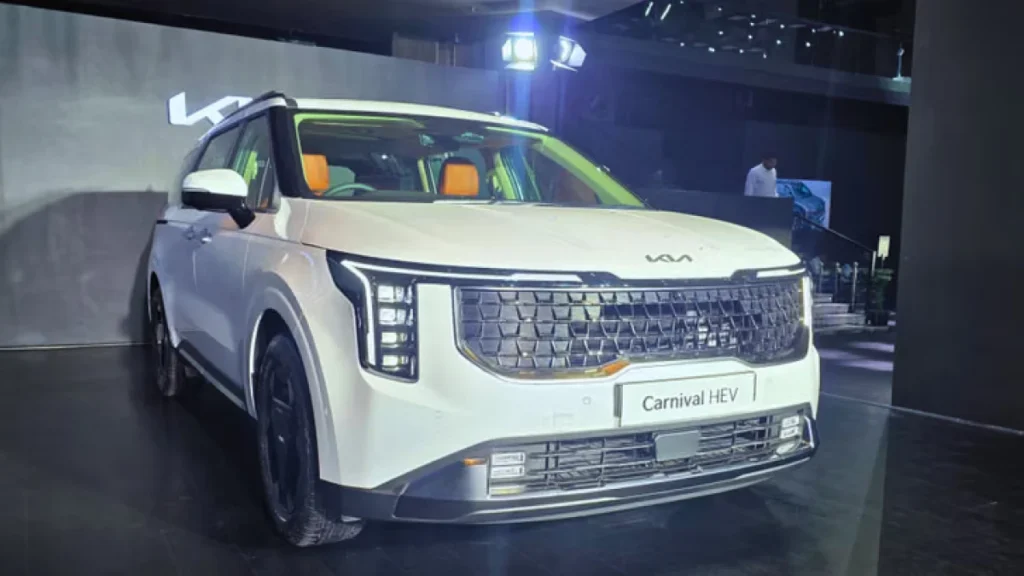
1. Kia Carnival: The Entry Point to Premium People-Movers
The Kia Carnival is an important part of this story because it makes the premium MPV experience more accessible.
Priced at approximately ₹59.65 lakh (ex-showroom), it sits below the luxury electric and hybrid MPVs discussed here. It is not positioned at the same ultra-luxury level as the Lexus LM or Vellfire, but it offers something many Indian families genuinely need: space, comfort and practicality.
The Carnival gets a 2.2-litre diesel engine paired with an eight-speed automatic transmission. Its cabin features a 2+2+3 seating layout, with second-row captain seats designed for passenger comfort.
The second-row seats offer features such as heating, ventilation, recline and leg support, depending on the equipment specification.
For a family that regularly travels with parents, children and luggage, the Carnival makes considerable sense. It is also suitable for business owners who need a spacious vehicle without moving into the ₹1 crore price bracket.
Who should consider it?
- Large families looking for a premium seven-seater.
- Buyers who regularly travel between cities.
- People who need passenger space but do not require ultra-luxury finishes.
- Customers who prefer a conventional diesel powertrain over an EV.
The Carnival is effectively the starting point of this price ladder. It demonstrates that premium passenger space itself has become a product buyers are willing to pay more for.
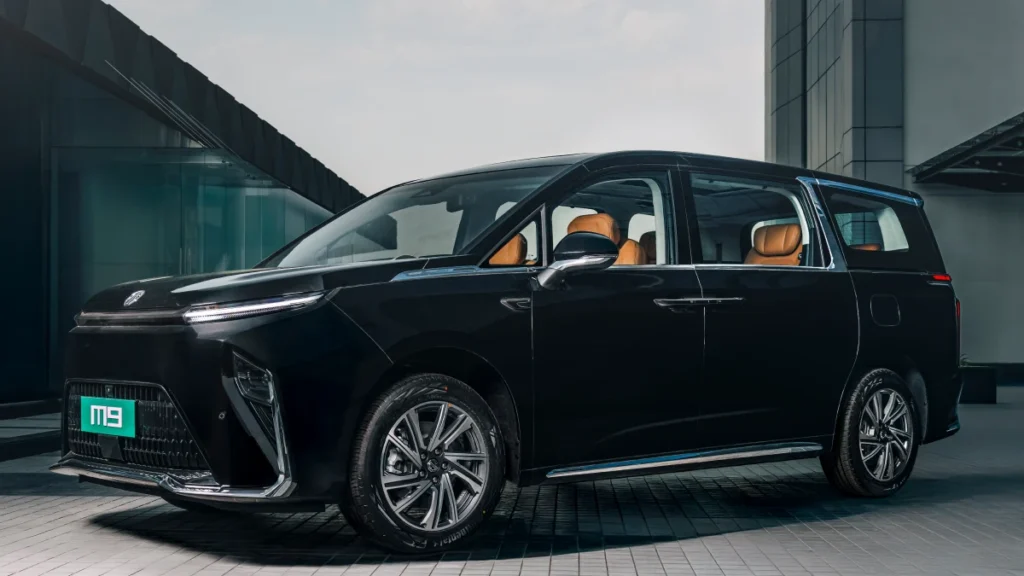
2. MG M9: Bringing Electric Luxury MPVs to India
The MG M9 is an important development because it brought an all-electric luxury MPV to the Indian market.
Launched in July 2025 at an introductory price of ₹69.90 lakh, the M9 offered a different route into this segment. Its current listed starting price is approximately ₹79.94 lakh (ex-showroom).
Instead of relying on a traditional petrol or diesel powertrain, it combines a 90kWh battery with a front-mounted electric motor. Its claimed range is 548km under the MIDC test cycle.
The M9 offers a premium cabin with powered second-row captain seats featuring heating, ventilation and massage functions. It also gets a large infotainment screen, digital driver display, panoramic sunroof and a premium sound system.
The M9 demonstrates that electric mobility does not have to be restricted to compact cars and SUVs. Large passenger vehicles can also benefit from an electric powertrain, particularly when refinement and quietness are important.
For customers who have access to home charging and predictable daily routes, an electric MPV can be a compelling chauffeur-driven vehicle.
Who should consider it?
- Business owners who want a quiet, electric mobile office.
- Families with access to home charging.
- Buyers looking for premium rear-seat features below the ₹1 crore mark.
- Customers who want to move away from conventional fuel-powered luxury vehicles.
The MG M9 has helped establish an important electric price point in India’s luxury people-mover segment.
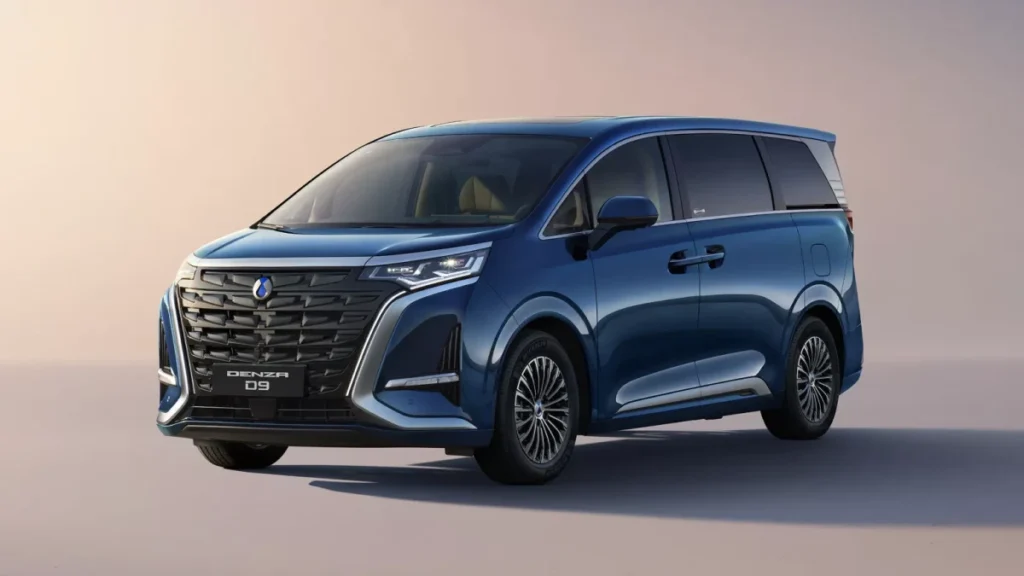
3. Denza D9: The New Challenger in Electric Luxury
Now comes Denza, BYD’s premium automotive brand, with the D9.
The D9 is expected to be one of the brand’s key products for India. It is a large luxury electric MPV that combines a spacious three-row cabin with advanced technology and a strong focus on passenger comfort.
The international electric version uses a 103.36kWh BYD Blade battery and is available with front-wheel-drive and all-wheel-drive configurations. The front-wheel-drive version offers a claimed WLTP range of up to 520km.
Its cabin can include powered second-row captain seats with heating, ventilation and massage, rear entertainment screens, a 15.6-inch infotainment display and a premium Dynaudio sound system.
The expected India price is around ₹85 lakh to ₹95 lakh (ex-showroom), although the final price and specifications need official confirmation.
The D9 could be an important addition for several reasons.
First, it brings BYD’s battery and electric vehicle experience into a segment where quietness, refinement and passenger comfort are particularly valuable.
Second, it gives buyers another option beyond the MG M9 in the electric luxury MPV category.
Third, Denza is being positioned as a premium brand rather than simply another BYD model. This could help it appeal to customers who want a more exclusive ownership experience.
Who should consider it?
- Buyers who want a premium electric MPV with a large battery.
- Families who value second-row comfort and technology.
- Business owners looking for a chauffeur-driven electric vehicle.
- Customers willing to explore a newer luxury brand.
If Denza gets the pricing, retail experience and after-sales support right, the D9 could become one of the most interesting new entrants in India’s luxury MPV market.
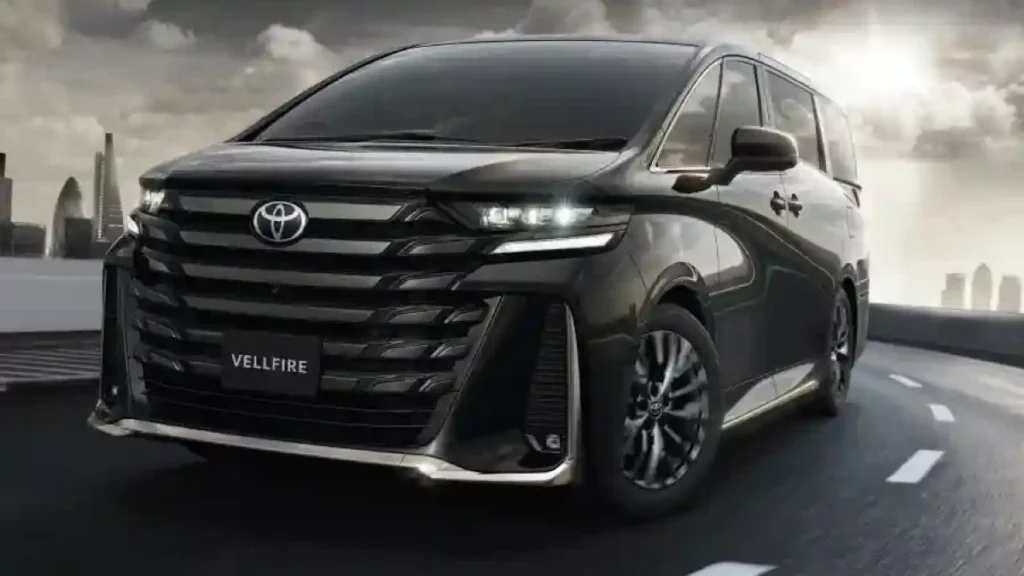
4. Toyota Vellfire: The Established Luxury MPV
The Toyota Vellfire has played an important role in making the luxury MPV format more desirable in India.
Priced at approximately ₹1.20 crore to ₹1.30 crore (ex-showroom), it sits above the Carnival, MG M9 and expected Denza D9 in the price ladder.
For a long time, large MPVs were associated with family transport, commercial use or hotel fleets. The Vellfire changed that perception by offering a more premium design, a strong-hybrid powertrain and a cabin focused on second-row comfort.
Its powered Ottoman-style second-row seats, generous cabin space, premium features and Toyota’s reputation for reliability have helped it appeal to business leaders, families and chauffeur-driven buyers.
The Vellfire’s sales performance is particularly important. Crossing 5,000 cumulative units in India shows that this is no longer an unfamiliar body style at the premium end of the market.
It has effectively demonstrated that an MPV can command a price above ₹1 crore and still find a meaningful customer base.
Who should consider it?
- Buyers who prioritise established hybrid technology.
- Families who want a premium seven-seater.
- Chauffeur-driven customers who value comfort and reliability.
- Customers who prefer Toyota’s established ownership network.
The Vellfire is perhaps the clearest example of how an MPV can become a luxury status symbol in India.
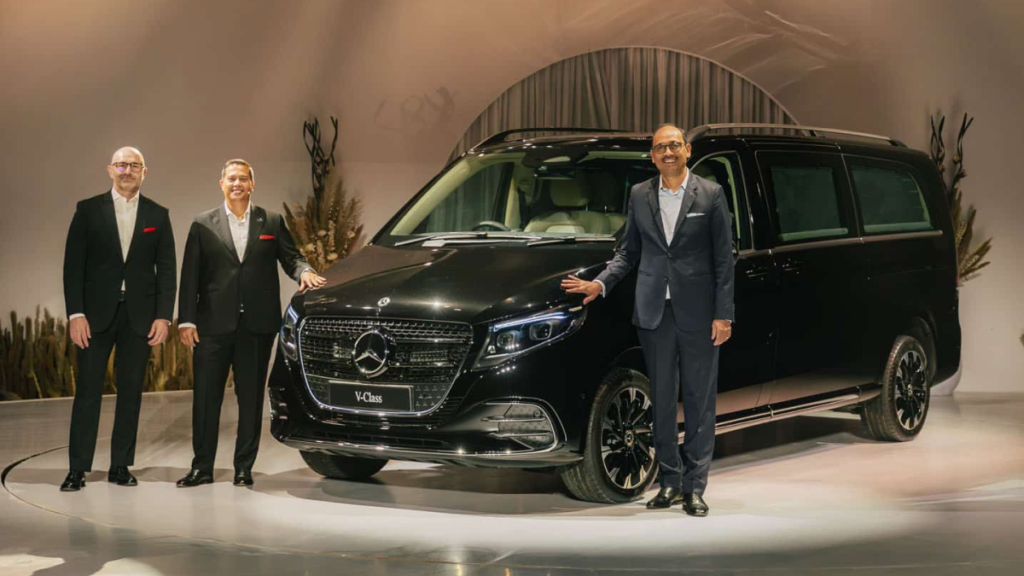
5. Mercedes-Benz V-Class: Executive Luxury on Four Wheels
Mercedes-Benz has also recognised the opportunity in India’s luxury people-mover market by bringing back the V-Class.
Launched in March 2026 at ₹1.40 crore (ex-showroom), the new V-Class is positioned as a premium executive vehicle for buyers who want space, comfort and the prestige of the Mercedes-Benz badge.
The Indian model is offered with petrol mild-hybrid and diesel powertrain options, along with an extra-long wheelbase configuration.
Its cabin focuses on passenger comfort, with reclining rear seats, heating, ventilation and massage functions, depending on the seating configuration. The vehicle also gets a premium Burmester sound system and dual 12.3-inch displays.
The V-Class is an important addition because it shows that the luxury MPV opportunity is not limited to Japanese and Chinese manufacturers. Established German luxury brands also see a place for premium people-movers in India.
Who should consider it?
- Corporate executives and business owners.
- Buyers who prefer the Mercedes-Benz badge.
- Customers who want a large executive vehicle for airport transfers and meetings.
- Families who value space and a premium chauffeur-driven experience.
The V-Class is positioned differently from the Vellfire. While Toyota focuses on hybrid efficiency and established MPV comfort, Mercedes brings its own executive luxury identity and a choice of conventional powertrains.
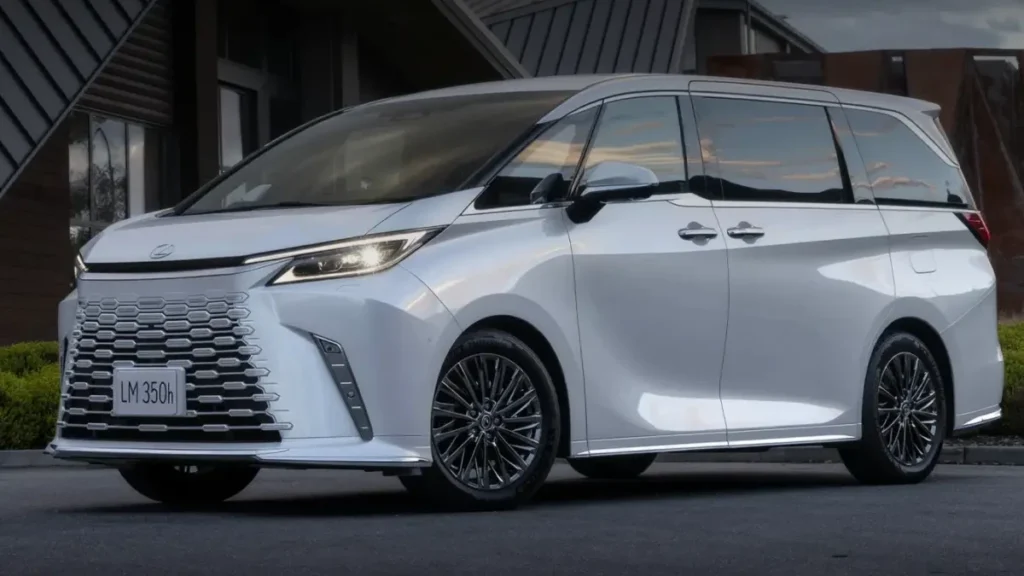
6. Lexus LM: The First-Class Experience at the Top
If the Vellfire introduced more buyers to the idea of luxury MPVs, the Lexus LM represents a much more exclusive interpretation of the concept.
With prices ranging from approximately ₹2.20 crore to ₹2.75 crore (ex-showroom), the LM occupies the top of this price ladder.
The LM is designed for customers who prioritise the rear passenger experience above almost everything else.
Its seven-seat configuration offers a premium family-oriented layout, while the four-seat Ultra Luxury version takes the concept further with an exclusive rear cabin designed around individual passengers.
The four-seat version offers a private rear lounge experience, with a partition, refrigerator, premium entertainment and highly adjustable rear seats.
The Lexus LM demonstrates that the MPV body style does not have to be a compromise. It can become an ultra-luxury product in its own right.
Who should consider it?
- High-net-worth individuals.
- Business leaders who spend considerable time being chauffeured.
- Celebrities and public figures who value privacy.
- Buyers who want an ultra-luxury rear-seat experience rather than a conventional family MPV.
The Lexus LM is not simply a more expensive Vellfire. It represents a different level of exclusivity and passenger-focused luxury.
Dead Key Fob Battery? Here’s How to Start Your Car Without Replacing It
Why Does Every Luxury MPV Have Its Own Customer?
The interesting thing about this price ladder is that these vehicles do not necessarily compete for exactly the same buyer.
A Carnival customer may be upgrading from a regular family SUV. An MG M9 customer may be looking for an electric alternative with premium rear-seat features. A Vellfire buyer may prioritise Toyota’s hybrid technology, while a Lexus LM customer may be willing to pay considerably more for a private first-class cabin.
Here is how the customer groups can differ:
| Customer Type | Vehicle to Consider | Why It Makes Sense |
|---|---|---|
| Large family looking for premium space | Kia Carnival | Practical seven-seat layout and comfort |
| Electric family or business buyer | MG M9 | EV refinement and premium features |
| Technology-focused luxury EV buyer | Denza D9 | Large battery and luxury electric cabin |
| Chauffeur-driven family | Toyota Vellfire | Hybrid powertrain and passenger comfort |
| Corporate executive | Mercedes-Benz V-Class | Executive space and premium badge |
| Celebrity or ultra-high-net-worth buyer | Lexus LM | Privacy and first-class rear-seat luxury |
This is exactly why manufacturers are looking at the segment. They are not just selling seven seats. They are selling different levels of passenger experience.
Why Are Car Companies Suddenly Interested in This Segment?
The answer is not simply that luxury MPVs are fashionable. There are several business reasons why manufacturers are paying attention.
1. A Premium Segment with Room to Grow
Luxury MPVs offer manufacturers access to customers who may already own a luxury sedan or SUV but want something different as a second or third vehicle.
Mercedes-Benz has positioned the V-Class as an addition to its top-end portfolio rather than a mass-market volume product.
This is important because manufacturers do not necessarily need to sell tens of thousands of luxury MPVs. A relatively small number of high-value vehicles can contribute meaningfully to their premium product mix.
2. Higher Value Through Passenger Experience
In a conventional SUV, manufacturers often compete through design, engine performance, technology and brand image.
In a luxury MPV, the second-row experience becomes a major selling point. Manufacturers can differentiate themselves through powered seats, massage functions, entertainment systems, privacy features, cabin materials and digital controls.
This gives brands more opportunities to create a premium product that feels meaningfully different from a regular luxury SUV.
3. Electric Powertrains Make Sense for Chauffeur-Driven Use
Electric powertrains have some natural advantages in this segment.
They offer quiet operation, smooth acceleration and fewer conventional engine vibrations. These qualities can improve the experience for passengers travelling in the rear.
A chauffeur-driven luxury MPV may also follow predictable routes and return to a home or office where charging can be arranged.
That makes electrification an interesting proposition for vehicles such as the MG M9 and Denza D9.
However, electric MPVs still need to address long-distance charging convenience, battery range under full passenger load and access to reliable charging infrastructure.
4. India Is Becoming More Comfortable with Premium People-Movers
The growth of vehicles such as the Vellfire and the demand for the MG M9 show that premium buyers are becoming more open to MPVs.
The traditional assumption that an expensive car must be a sedan or SUV is gradually changing.
For some buyers, a vehicle that offers more space, easier access and a better passenger experience is a more meaningful luxury purchase than a conventional status-oriented car.
5. Different Customers, Different Luxury Experiences
Not every luxury MPV buyer wants the same thing.
A business owner may want a mobile office. A family may want comfortable long-distance travel. A celebrity may value privacy. A hotel or premium transport operator may want a high-end airport transfer vehicle.
This creates multiple customer groups within one segment.
Manufacturers can therefore offer different seating configurations, powertrains and levels of luxury without relying on a single buyer profile.
Why the Denza D9 Could Make a Difference
The Denza D9 enters at an interesting moment.
Kia has an accessible premium MPV in the Carnival. Toyota has already demonstrated that the luxury MPV market exists in India. Lexus has pushed the concept into ultra-luxury territory. MG has brought an electric alternative, while Mercedes-Benz has returned to the segment with the V-Class.
Denza’s opportunity is to combine two major trends: electric mobility and first-class passenger comfort.
BYD has significant experience in battery technology and electric vehicle development. The D9 gives the company an opportunity to use that experience in a vehicle where the benefits of a refined electric powertrain are easy for passengers to appreciate.
Its success, however, will not depend on battery specifications alone.
Indian luxury buyers also care about the dealership experience, service availability, reliability, resale value, charging support and brand confidence.
Denza will need to establish a credible premium retail and ownership experience if it wants to compete with brands that already have an established presence in the country.
The D9 also needs to find the right price. If positioned too close to established luxury hybrid alternatives, it may struggle to justify its brand positioning. If priced competitively against the MG M9 and the lower end of the luxury MPV market, it could attract buyers looking for something new.
The Challenges: Luxury MPVs Still Have to Prove Themselves
Despite the growing interest, this segment is not without challenges.
1. Large dimensions: These vehicles are long and wide. Driving and parking them in crowded Indian cities can be difficult, especially in older residential areas and narrow streets.
2. Charging infrastructure: Electric models such as the MG M9 and Denza D9 need dependable charging support for customers who frequently travel between cities.
3. Brand perception: Buyers spending ₹1 crore or more may still prefer established luxury badges. Newer brands need to build trust.
4. Service and ownership experience: Premium buyers expect quick service, convenient assistance and a strong dealership network. A luxurious cabin alone is not enough.
5. Resale value: The long-term resale performance of newer luxury electric MPVs is still something buyers will watch closely.
6. Usage patterns: A luxury MPV makes the most sense when the owner regularly uses the second row or needs multiple passenger seats. Buyers who usually drive themselves may find a luxury SUV or sedan more suitable.
These challenges will determine how quickly the segment grows beyond its current premium customer base.
Is the Luxury MPV the New Status Symbol in India?
It may be too early to say that luxury MPVs will replace luxury SUVs or sedans. Those segments remain important, and there will always be buyers who prefer driving their own cars.
But the definition of automotive luxury is clearly expanding.
For years, owning a large luxury SUV was a statement of success. Today, having a vehicle that allows you to work, relax, travel with your family and arrive refreshed at your destination can be equally desirable.
A luxury MPV is not necessarily about showing how fast a car can go or how aggressively it looks on the road. It is about what happens inside the cabin.
That is why the Kia Carnival has created an accessible premium entry point, why the Toyota Vellfire has found its audience, why the Lexus LM occupies an even more exclusive space, why MG introduced the M9 and why Mercedes-Benz brought back the V-Class.
Denza’s arrival with the D9 adds another important player to this changing landscape.
The next phase of India’s luxury-car market may not be defined only by bigger SUVs, more powerful engines or larger wheels. It could also be defined by how comfortably a car can carry its passengers.
The luxury MPV is no longer just a people-mover. For a growing group of Indian buyers, it is a private lounge, a mobile office and a first-class travel experience on four wheels.
Frequently Asked Questions
1. Which is the most affordable premium MPV in this price comparison?
The Kia Carnival is the most accessible option in this group, with a listed ex-showroom price of approximately ₹59.65 lakh.
2. Which luxury MPVs are electric in India?
The MG M9 is an all-electric luxury MPV already on sale. The Denza D9 is expected to join the electric luxury MPV segment in India.
3. What is the price of the MG M9 in India?
The MG M9 currently has a listed starting price of approximately ₹79.94 lakh (ex-showroom).
4. What is the expected price of the Denza D9?
The Denza D9 is expected to be priced around ₹85 lakh to ₹95 lakh (ex-showroom), although the final India price has not been officially announced.
5. What is the price of the Toyota Vellfire?
The Toyota Vellfire is priced at approximately ₹1.20 crore to ₹1.30 crore (ex-showroom), depending on the variant.
6. What is the price of the Mercedes-Benz V-Class?
The Mercedes-Benz V-Class starts at approximately ₹1.40 crore (ex-showroom) in India.
7. What is the price of the Lexus LM in India?
The Lexus LM is priced between approximately ₹2.20 crore and ₹2.75 crore (ex-showroom), depending on the seating configuration.
8. Why are luxury MPVs popular with business owners?
They offer a spacious rear cabin that can be used for phone calls, working on a laptop, reviewing documents or resting between meetings. Chauffeur-driven use also allows executives to make better use of travel time.
9. Are luxury MPVs suitable for long-distance family trips?
Yes. Their spacious cabins, comfortable seating and ability to carry multiple passengers and luggage make them suitable for family journeys. Buyers of electric models should also consider charging infrastructure and real-world range.
10. Will luxury MPVs replace luxury SUVs in India?
Not entirely. Luxury SUVs will continue to appeal to buyers who prefer driving themselves, road presence and versatility. Luxury MPVs serve a different purpose by focusing on passenger comfort, space and chauffeur-driven travel.
Disclaimer: Prices are indicative ex-showroom figures based on available November 2026 information and may change. Denza D9 India pricing and specifications remain subject to official announcement. Specifications and features may differ by variant. Please confirm the latest details with authorised dealerships before making a purchase.

3 Comments
Pingback: BYD Yangwang Altior Debuts at ₹2.9 Crore: 1,000km Range
Pingback: BYD Denza Z9 GT Launched at ₹1.57 Crore: 670km Range
Pingback: BYD India Crosses 20,000 Deliveries: ATTO 3 Leads