


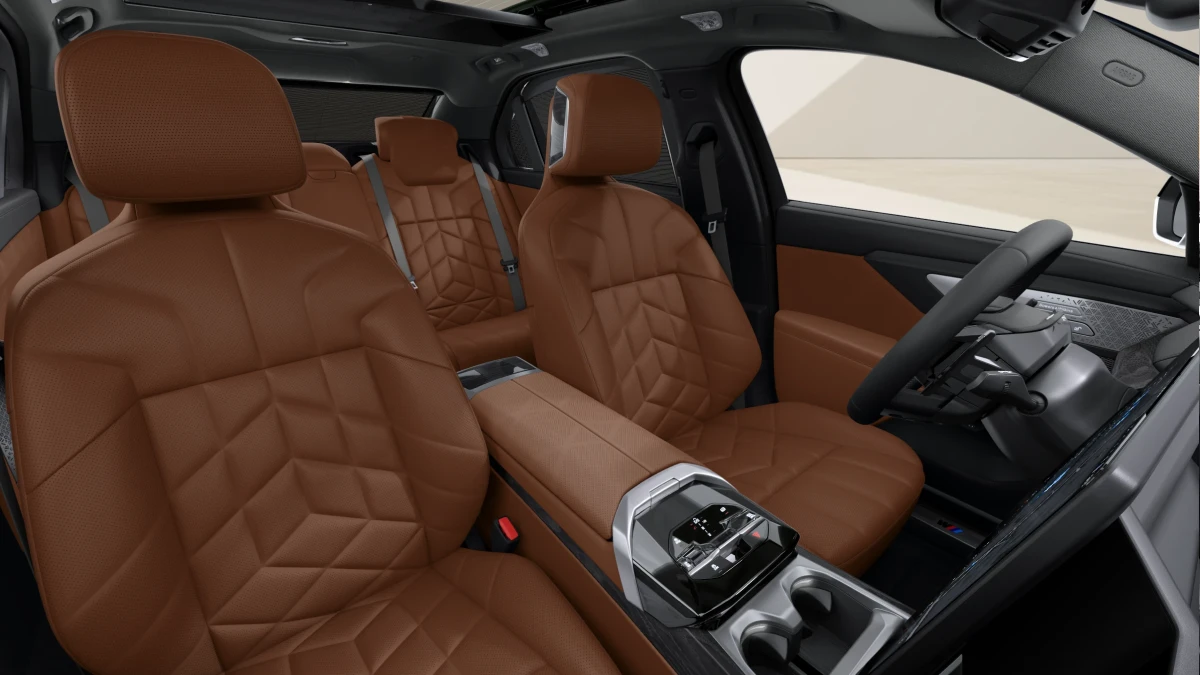
Buying a car with premium leather upholstery is one of those upgrades that makes the cabin feel special every time you get behind the steering wheel. Whether it is a Hyundai Creta, Kia Seltos, Toyota Innova Hycross, Mahindra XUV700, Tata Safari or Toyota Fortuner, higher variants often offer leather or leatherette upholstery to create a more luxurious experience.
But there is one problem many Indian car owners discover after a few years: keeping those seats looking new is much harder than keeping the exterior clean.
India’s weather is particularly demanding on car interiors. Summer temperatures can become extremely high, vehicles are frequently parked in open spaces, and dust, sweat, sunscreen, denim dye and everyday friction gradually affect the upholstery.
A car that looked premium when it was delivered can develop shiny patches, faded sections, wrinkles, scratches and cracks around the driver’s seat. The side bolsters, which experience repeated friction whenever someone enters or exits the car, are often the first areas to show wear.
The good news is that most of this damage can be delayed with the right maintenance routine.
You do not need an expensive detailing session every month or a collection of specialist products. What matters is understanding the material used in your seats, cleaning it correctly, reducing exposure to direct sunlight and avoiding everyday habits that accelerate wear.
In this detailed guide, we explain how to maintain leather car seats in India, protect them from extreme heat, prevent cracking and keep premium interiors looking good for years.
1. First, Understand What Type of Leather Seats Your Car Has
Before buying a leather cleaner or conditioner, understand what is actually fitted in your car.
The term ‘leather seats’ is commonly used in car brochures and dealership conversations, but it does not always mean that the entire seat is covered in genuine leather.
Many modern cars use a combination of genuine leather, synthetic leather and fabric. Others use leatherette upholstery throughout the seating surface.
This distinction matters because different materials respond differently to cleaning products, conditioning treatments and sunlight.
Types of car seat upholstery
| Upholstery Type | What It Means | Maintenance Requirement |
|---|---|---|
| Genuine Leather | Animal hide processed and finished for automotive use | Requires gentle cleaning and care according to its protective finish |
| Leatherette | Artificial leather made using a synthetic surface, commonly PVC or PU | Regular gentle cleaning; avoid harsh chemicals and excessive heat |
| PU Leather | Synthetic upholstery with a polyurethane surface | Clean using approved products; avoid abrasion and harsh solvents |
| PVC Leather | Vinyl-based synthetic upholstery | Generally easy to wipe clean but can age, become stiff or crack |
| Perforated Leather | Leather or leather-like material with tiny holes for ventilation | Requires careful cleaning to prevent liquid and product residue entering the holes |
| Combination Upholstery | Genuine leather, synthetic leather and fabric used in different seat sections | Identify each material and use the appropriate cleaning method |
Which type is used in premium Indian cars?
Several popular SUVs and MPVs offer premium-looking upholstery in their higher variants.
Examples include:
| Car Model | Premium Variants to Check | What Owners Should Verify |
|---|---|---|
| Hyundai Creta | SX(O) and higher variants, depending on model year | Leatherette or other upholstery specification |
| Kia Seltos | GTX and X-Line variants, depending on model year | Upholstery material and colour |
| Toyota Innova Hycross | ZX and ZX(O) | Seat upholstery material and perforation |
| Mahindra XUV700 | AX7 and AX7L | Leatherette upholstery and seat ventilation equipment |
| Tata Safari | Accomplished and higher variants | Upholstery material and seat ventilation |
| Toyota Fortuner | Legender and higher-spec variants | Leather upholstery specification |
| Volkswagen Virtus | GT Plus variants | Seat upholstery material |
| Skoda Kushaq | Monte Carlo and higher variants | Upholstery material and finish |
Variant equipment and upholstery materials can change with model year and market. Always check the current brochure and owner’s manual rather than assuming that a seat described as leather is entirely genuine leather.
Motor Futurist tip: Check your car’s owner’s manual before using any leather conditioner. Some modern automotive seats have a clear protective coating, and the manufacturer’s recommended cleaning method should take priority over generic detailing advice.
2. Why Indian Weather Is Hard on Leather Car Seats
A car’s exterior receives most of the attention when people discuss protection from the Indian summer. However, the cabin also experiences considerable heat and sunlight.
When a vehicle is parked outdoors for several hours, the temperature inside can rise significantly. Seats, steering wheels, dashboards and door trims absorb heat, particularly when exposed to direct sunlight through the glass.
This repeated exposure can accelerate fading and deterioration of upholstery.
Five major reasons leather seats deteriorate in India
1. Extreme summer temperatures
During peak summer, especially in cities such as Delhi, Jaipur, Chandigarh, Ahmedabad and Hyderabad, cars can remain parked under intense sunlight for hours.
Repeated heat exposure can contribute to the ageing of upholstery finishes, fading and eventual cracking.
2. Direct UV exposure
Sunlight entering through the windscreen and side windows gradually affects the cabin.
The upper seat surfaces, rear seats near large windows and the exposed sections of the driver’s seat can experience prolonged sunlight exposure.
UV exposure can cause colours to fade and materials to become less attractive over time.
3. Sweat and body oils
Indian summers often mean sweating during everyday driving.
Sweat, body oils and dirt accumulate around the seat base, backrest and side bolsters. Over time, this build-up can affect the appearance and finish of the upholstery.
4. Dust and road grime
Dust enters the cabin whenever doors and windows are opened. Fine particles settle around the stitching, perforations and seat creases.
If you wipe the seats without removing the dust first, these particles can create additional friction and wear.
5. Frequent entry and exit
The driver’s seat generally ages faster than the passenger seats.
Every time you enter or leave the vehicle, your clothing rubs against the outer seat bolster. This repeated movement can gradually cause surface wear, creasing and damage.
3. How to Protect Leather Seats From Indian Summer Heat
If your car spends most of its day outdoors, heat protection should become part of your regular parking routine.
You cannot completely eliminate the effects of sunlight, but you can reduce unnecessary exposure.
1. Use a good-quality windshield sunshade
A windshield sunshade is one of the simplest and most affordable accessories for protecting your car’s cabin.
It reduces direct sunlight entering through the front windscreen and helps protect the dashboard, steering wheel and front seat surfaces.
For the best results:
- Choose a properly sized reflective sunshade.
- Cover as much of the windscreen as possible.
- Use it whenever the car is parked outdoors for extended periods.
- Fold and store it properly when not in use.
A sunshade is particularly useful for people who park at office buildings, shopping centres or apartment complexes without covered parking.
2. Prefer shaded parking
Whenever possible, park your car in a covered area or under shade.
A covered parking space can significantly reduce direct sunlight exposure compared with leaving the vehicle in an open parking lot.
If you have a choice between two parking spaces, prefer the one that keeps the cabin away from direct afternoon sunlight.
Toyota’s Innova Hycross owner’s manual specifically advises avoiding prolonged direct sunlight and parking in the shade, especially during summer.
3. Use ventilation before getting inside
During summer, avoid immediately sitting on a cabin that has been exposed to direct sunlight for several hours.
A practical routine is:
- Open the doors briefly to allow trapped hot air to escape.
- Start the vehicle and activate the air-conditioning.
- Use the cabin ventilation system to bring down the temperature.
- Allow the seats to cool before starting a longer journey.
If your car has ventilated front seats, use the feature when appropriate. However, seat ventilation should not be treated as a replacement for cleaning and protection.
4. Consider a suitable UV-protective window film
A quality automotive window film can help reduce solar energy entering the cabin, depending on its specifications.
However, make sure the film complies with applicable Indian regulations and the vehicle manufacturer’s recommendations. Avoid illegally dark films.
The objective is to reduce heat and UV exposure without compromising visibility or safety.
5. Avoid leaving plastic or vinyl accessories on the seats
This is an often-overlooked detail.
Toyota’s owner’s manual warns against placing vinyl, plastic or wax-containing objects on leather upholstery because they may stick to the surface when the cabin becomes extremely hot.
Avoid leaving plastic shopping bags, certain accessories or unsuitable seat protectors on the upholstery in direct sunlight.
Heat protection checklist
| Action | Why It Helps | When to Do It |
|---|---|---|
| Use windshield sunshade | Reduces direct sunlight entering the cabin | Whenever parked outdoors |
| Park in covered areas | Reduces direct heat and UV exposure | Whenever possible |
| Ventilate the cabin | Helps release trapped hot air | Before driving |
| Use legal UV/solar-control glass solutions | Can reduce solar exposure | After checking regulations |
| Avoid plastic objects on seats | Reduces risk of sticking or surface damage | Always |
| Clean sweat and spills | Prevents build-up and staining | As soon as practical |
4. How to Clean Leather Car Seats Without Damaging Them
One of the biggest mistakes car owners make is cleaning premium seats with whatever household product is available.
A glass cleaner, detergent, kitchen cleaner or disinfectant may appear to remove dirt quickly, but it can also damage the protective finish.
Modern automotive upholstery is not necessarily untreated natural leather. Many surfaces have a factory-applied coating that protects the material and gives it a particular texture and appearance.
Aggressive cleaning can damage this coating.
What you need for cleaning leather seats
Keep the process simple. A basic cleaning kit should include:
- A soft microfibre cloth.
- A vacuum cleaner with a suitable soft attachment.
- An automotive leather cleaner approved for your upholstery.
- A soft detailing brush for seams and difficult areas.
- A second clean microfibre cloth for drying.
- An approved leather protective product, if recommended by the manufacturer.
Step-by-step cleaning process
Step 1: Remove loose dust first
Do not immediately start wiping the seat with a cloth.
Use a vacuum cleaner to remove loose dust, sand and dirt from the seat surface, stitching and creases.
This is particularly important in India, where fine dust can accumulate even if the vehicle is cleaned regularly.
Step 2: Check the seat material
Confirm whether your seats are genuine leather, leatherette, synthetic leather or a combination.
If you are unsure, check the owner’s manual or contact an authorised dealership.
Step 3: Apply the appropriate cleaner
Use a cleaner specifically approved for the upholstery material.
Apply the product to a clean microfibre cloth or applicator rather than spraying large quantities directly onto the seat.
Test it on a small, hidden section first.
Step 4: Clean gently
Wipe the surface using light pressure.
Pay attention to areas that collect the most dirt:
- Driver’s seat side bolsters.
- Seat base.
- Backrest.
- Headrest.
- Stitching and seams.
- Areas where clothing regularly rubs.
Do not scrub aggressively in an attempt to remove every mark in one go.
Step 5: Remove residue
Use a clean cloth according to the product’s instructions to remove remaining cleaner.
Avoid leaving cleaning solution on the upholstery.
Step 6: Allow the seats to dry naturally
Let the seats dry in a shaded, ventilated area.
Do not use a hair dryer, heat gun or direct sunlight to speed up the drying process.
Recommended cleaning schedule
| Task | Recommended Frequency |
|---|---|
| Quick dust removal | Weekly |
| Vacuum seats and creases | Every 2–4 weeks |
| Gentle surface cleaning | Every 1–3 months, depending on usage |
| Check for stains and colour transfer | Weekly |
| Inspect stitching and side bolsters | Every 2–3 months |
| Professional detailing | When required, depending on condition |
These are practical starting points, not fixed manufacturer service intervals. A family car used daily may need more frequent cleaning than a weekend vehicle.
5. Should You Use Leather Conditioner Every Three Months?
This is one of the most frequently debated topics among car owners.
Some detailing guides recommend cleaning and conditioning leather approximately every three months. However, that recommendation should not be applied blindly to every modern car.
Many automotive leather surfaces are coated. The protective top layer changes how the material responds to cleaning and conditioning products.
Applying an unsuitable conditioner may leave the surface greasy, slippery or shiny without necessarily improving the material underneath.
When should you use a leather conditioner?
| Seat Material | Conditioner Recommendation |
|---|---|
| Coated automotive leather | Use only if approved or recommended by the manufacturer |
| Uncoated genuine leather | May require suitable conditioning as recommended by a specialist |
| Leatherette | Usually requires cleaning and protection rather than traditional leather conditioning |
| PU synthetic leather | Use a compatible product only if the manufacturer recommends it |
| Perforated leather | Apply carefully; avoid filling the perforations with product |
The important rule: Clean first, then apply a compatible protective product only when appropriate.
Do not apply conditioner simply because a detailing product says it is suitable for all leather surfaces.
How to apply a leather conditioner safely
If your vehicle manufacturer recommends conditioning:
- Clean the seat properly.
- Allow it to dry.
- Test the product on an inconspicuous section.
- Apply a small amount to an applicator.
- Spread it evenly without excessive pressure.
- Remove any excess product as instructed.
- Allow the surface to settle before using the seat.
Avoid products that make the seat excessively glossy or slippery.
The objective is to preserve the original finish, not make the seats look artificially shiny.
6. How to Prevent Leather Seats From Cracking and Tearing
Cracks rarely appear without warning. In many cases, the first signs are small creases, surface shine, faded areas or wear around the seat edges.
The driver’s seat is particularly vulnerable because it experiences repeated pressure and friction.
Common reasons for seat damage
| Cause | What Happens | Prevention |
|---|---|---|
| Repeated friction | Side bolsters wear down | Avoid dragging yourself across the seat |
| Dust and grit | Particles increase surface abrasion | Vacuum regularly |
| Excessive heat | Accelerates material ageing | Use shade and sunshades |
| Harsh cleaning products | Damage protective coatings | Use approved cleaners |
| Sharp objects | Scratch or puncture upholstery | Keep keys and tools away from seats |
| Tight clothing accessories | Cause scratches and snagging | Avoid rubbing sharp buckles against seats |
| Neglected spills | Cause stains and discolouration | Clean spills promptly |
| Incorrect seat covers | Create friction or trap heat | Use compatible accessories |
Stop sliding across the side bolster
This is one of the simplest habits that can extend the life of your driver’s seat.
When entering a car, many people sit down and slide sideways into their driving position. This repeatedly rubs clothing against the outer seat bolster.
Over thousands of entry and exit cycles, the surface can become worn.
Instead:
- Sit down carefully.
- Lift your body slightly when adjusting your position.
- Avoid dragging heavy clothing accessories across the seat.
- Do not place excessive pressure on the outer bolster.
This is particularly useful for SUVs with higher seating positions and pronounced side bolsters.
Be careful with jeans and clothing dye
Dark blue and black denim can transfer colour onto lighter upholstery.
This is especially noticeable on beige, cream and light-grey seats.
The risk can increase when jeans are new, damp or heavily dyed.
If you notice colour transfer:
- Do not scrub immediately.
- Use a cleaner specifically approved for the seat material.
- Test it on a hidden area.
- Clean gently using a soft cloth.
- Seek professional help if the dye has penetrated the surface.
Kia’s owner guidance specifically highlights the importance of removing colour transfer from clothing promptly.
7. Beige, White or Black Leather Seats: Which Is Easier to Maintain in India?
A light-coloured cabin looks premium, especially in larger SUVs and luxury cars.
However, beige and cream upholstery can show stains and dirt much more clearly than darker materials.
Black upholstery has its own challenges, particularly in hot Indian weather, where dark surfaces can become uncomfortable after prolonged sun exposure.
Comparison of common seat colours
| Seat Colour | Advantages | Maintenance Challenges |
|---|---|---|
| Black | Hides some everyday dirt and dark marks | Shows dust, lint and surface scratches; can feel hot in direct sunlight |
| Beige | Creates an airy, luxurious cabin | Shows denim transfer, stains and dirt easily |
| Cream | Premium appearance and bright cabin | Requires frequent attention to visible marks |
| Brown / Tan | Elegant appearance and hides some everyday dirt | Can show fading, scratches and colour changes |
| Grey | Practical balance between light and dark | Can still show dust, stains and dye transfer |
What should Indian buyers choose?
If you regularly park outdoors and use your car daily, darker or medium-tone upholstery may be easier to maintain.
If you prefer beige or cream interiors, the key is regular cleaning and avoiding colour transfer.
There is no universally maintenance-free colour. The quality of the material and your cleaning routine matter more than the colour alone.
8. Should You Install Aftermarket Leather Seat Covers?
Many Indian car owners install aftermarket seat covers immediately after taking delivery of a new vehicle.
The intention is understandable: protect the original upholstery from children, pets, food spills and everyday wear.
However, aftermarket seat covers are not automatically the best solution.
A poorly fitted cover can create problems, particularly in cars equipped with ventilated seats or side airbags.
Advantages of seat covers
- Protect the original upholstery from some spills and everyday friction.
- Can make cleaning easier.
- Offer additional colour and styling options.
- Can help protect seats in vehicles used heavily by families.
Disadvantages of aftermarket seat covers
- Poor-quality material may trap heat.
- Tight fitting can create pressure points.
- Incorrect stitching may interfere with seat-mounted side airbags.
- Covers can reduce the effectiveness of ventilated seats.
- Dirt trapped underneath can rub against the original upholstery.
What should you check before installing seat covers?
| Check | Why It Matters |
|---|---|
| Airbag compatibility | Side airbags must deploy correctly |
| Ventilated seat compatibility | Covers should not block airflow |
| Material quality | Poor-quality material may age quickly |
| Fitment | Loose covers can move and create friction |
| Stitching | Incorrect stitching can affect safety features |
| Warranty | Confirm whether the accessory affects manufacturer coverage |
Our recommendation: If your car already has factory-fitted premium upholstery, avoid installing full aftermarket covers without a clear reason. If protection is necessary, choose a manufacturer-approved or properly engineered cover compatible with the vehicle’s airbags and ventilation system.
9. How to Clean Perforated and Ventilated Leather Seats
Perforated seats look premium and are often found in higher variants of modern SUVs.
They also require extra care because the tiny holes allow air to pass through the seat surface.
A common mistake is spraying a large amount of cleaner or conditioner directly onto the seat.
The liquid can enter the perforations, leave residue or affect the ventilation system.
Correct cleaning method
- Vacuum the seat gently using an appropriate attachment.
- Apply cleaner to a cloth or suitable soft applicator.
- Use minimal product.
- Avoid flooding the perforations.
- Do not use steam cleaning unless the manufacturer specifically approves it.
- Allow the seat to dry naturally.
Products and methods to avoid
| Product or Method | Why to Avoid It |
|---|---|
| Excessive water | Can enter perforations and seat components |
| Steam cleaning | Heat and moisture may damage upholstery finishes |
| Hard brushes | Can scratch or wear the surface |
| Excessive conditioner | May leave residue in ventilation holes |
| Direct high-pressure air | Can force dirt or moisture deeper into the upholstery |
| Strong chemical cleaners | May damage the protective coating |
If your car has ventilated seats, professional cleaning should be carried out by someone familiar with the particular seat design.
10. Common Leather Seat Cleaning Mistakes Indian Car Owners Should Avoid
A premium car interior can be damaged by everyday cleaning habits.
Here are some of the most common mistakes.
Using household detergents
Dishwashing liquids, bathroom cleaners and washing detergents are not automatically suitable for automotive upholstery.
They may contain ingredients that damage the finish or change the surface appearance.
Using glass cleaner on seats
Glass cleaners are formulated for glass, not automotive upholstery.
Avoid using them on leather or leatherette seats.
Using alcohol-based sanitiser
Hand sanitiser can damage or discolour some leather finishes.
If it spills on a seat, follow the manufacturer’s cleaning instructions promptly.
Using excessive water
Do not soak the seat.
A lightly dampened cloth may be appropriate for some approved cleaning methods, but excess moisture can penetrate seams and perforations.
Applying conditioner without cleaning
Applying conditioner over dirt and grime can trap contaminants against the surface.
Always clean the seat first.
Scrubbing stains aggressively
Repeated rubbing can damage the protective coating and make the affected area look different from the rest of the seat.
Leaving wet clothes on the seats
Wet clothing can transfer dye onto light upholstery.
Avoid leaving damp towels, clothes or other coloured materials on the seats for extended periods.
Using a hair dryer to dry seats
Direct heat can accelerate material deterioration.
Allow the upholstery to dry naturally in a shaded, ventilated area.
11. How to Remove Common Stains From Leather Car Seats
Spills and stains are part of everyday car ownership, particularly when children or multiple passengers regularly use the vehicle.
The important thing is to act quickly and use the right cleaning method.
Common stains and what to do
| Type of Stain | Recommended First Step | Important Precaution |
|---|---|---|
| Tea or coffee | Blot with a clean, absorbent cloth | Do not rub aggressively |
| Cold drinks | Remove excess liquid and use approved cleaner | Clean before the liquid dries |
| Sweat marks | Use an approved upholstery cleaner | Pay attention to the seat bolsters |
| Sunscreen | Clean promptly with a compatible product | Avoid harsh household cleaners |
| Denim colour transfer | Use a leather-safe stain remover | Test in a hidden area |
| Food stains | Remove solid particles first | Avoid pushing food into stitching |
| Oil or grease | Blot using an absorbent cloth | Do not use random solvents |
| Chewing gum | Allow it to harden before careful removal | Avoid scraping with sharp objects |
| Ink marks | Seek advice from a leather-care specialist | DIY solvents can permanently damage the finish |
For stubborn stains, professional cleaning is safer than experimenting with household remedies.
12. Monthly and Quarterly Leather Seat Maintenance Schedule
You do not need to spend hours maintaining your car’s interior.
A simple routine is usually enough to keep the upholstery in good condition.
Monthly maintenance checklist
| Task | Action |
|---|---|
| Dust removal | Vacuum the seat surfaces |
| Creases and stitching | Remove accumulated dust |
| Driver’s seat | Inspect outer bolsters for wear |
| Rear seats | Check for food stains and colour transfer |
| Steering wheel | Clean using the recommended interior-care product |
| Cabin inspection | Check for fading, scratches and damage |
Quarterly maintenance checklist
| Task | Action |
|---|---|
| Deep cleaning | Clean seats with an approved product if needed |
| Material inspection | Check for cracks, wrinkles and fading |
| Seat bolsters | Inspect high-friction areas |
| Upholstery protection | Apply a compatible protective product if recommended |
| Seat ventilation | Check for visible dirt around perforations |
| Accessories | Check seat covers for fitment and damage |
Annual maintenance checklist
Once a year, consider a more detailed inspection of the cabin.
- Check for fading on exposed seat surfaces.
- Inspect the stitching and seams.
- Look for early cracks or peeling.
- Get stubborn stains professionally treated.
- Check the condition of seat covers, if fitted.
- Review the manufacturer’s cleaning recommendations.
The exact frequency depends on how often the vehicle is used, where it is parked and the type of upholstery fitted.
13. When Should You Visit a Professional Detailer?
Regular cleaning can prevent many problems, but it cannot reverse every form of damage.
If the upholstery has started peeling, cracking or losing colour, a normal cleaning session will not restore the original finish.
Consider professional help if you notice:
- Deep cracks on the driver’s seat.
- Peeling or flaking of the surface coating.
- Permanent denim dye transfer.
- Large faded areas.
- Damaged stitching.
- Deep stains that do not respond to approved cleaning.
- Tears or punctures in the upholstery.
A specialist may be able to carry out colour restoration, surface repair or upholstery replacement depending on the condition.
Avoid applying paint, polish or generic repair creams to damaged seats without understanding the material.
14. What Should You Keep in Your Car for Leather Seat Maintenance?
A small maintenance kit can make everyday care easier.
Essential car leather care kit
| Item | Purpose | Priority |
|---|---|---|
| Soft microfibre cloths | Gentle cleaning and drying | Essential |
| Small vacuum cleaner | Removing dust and sand | Essential |
| Approved leather / upholstery cleaner | Removing everyday dirt | Essential |
| Soft detailing brush | Cleaning seams and difficult areas | Useful |
| Windshield sunshade | Reducing direct sunlight exposure | Essential for outdoor parking |
| Approved leather protector | Protecting compatible upholstery surfaces | Optional |
| Dedicated stain remover | Treating difficult marks | Optional |
You do not need to buy every detailing product available online.
Start with a good microfibre cloth, a suitable cleaner and a sunshade. Add other products only when your car’s upholstery needs them.
15. FAQs About Leather Car Seat Maintenance
1. How often should I clean leather car seats in India?
For a car used regularly, vacuuming every two to four weeks and gentle cleaning every one to three months is a practical starting point. Vehicles exposed to heavy dust, sweat and frequent use may need more attention.
2. Does Indian summer damage leather car seats?
Prolonged exposure to heat and direct sunlight can accelerate fading and ageing of automotive upholstery. Parking in shade, using a windshield sunshade and following the manufacturer’s cleaning instructions can help reduce deterioration.
3. How do I prevent leather seats from cracking?
Keep the seats free from dust and grime, avoid harsh cleaning products, reduce prolonged sunlight exposure and avoid excessive friction around the side bolsters. Use a suitable protective product only when recommended for your upholstery.
4. Should I apply leather conditioner every three months?
Not necessarily. Some modern automotive seats have a protective coating and may not need conventional leather conditioner. Follow the vehicle manufacturer’s instructions and use only compatible products.
5. Can I use coconut oil on leather car seats?
It is not recommended. Household oils can leave a greasy residue, attract dirt and affect the appearance of coated automotive upholstery. Use only products approved for the particular seat material.
6. Can I use Dettol or hand sanitiser to clean leather seats?
Avoid using these products. Alcohol-based sanitiser and strong disinfectants can damage or discolour some upholstery finishes.
7. Are leatherette seats easier to maintain than genuine leather?
Leatherette is generally easier to wipe clean and does not require traditional leather conditioning. However, it can still age, fade or crack with heat, abrasion and unsuitable cleaning products.
8. Is beige leather difficult to maintain in India?
Beige and cream upholstery can show dust, stains and denim colour transfer more clearly than darker colours. Regular cleaning and prompt stain removal are important.
9. Can I use a wet cloth to clean leather seats?
A lightly dampened cloth may be appropriate for certain manufacturer-approved cleaning methods. Avoid soaking the seats or leaving moisture around seams and perforations. Always dry the surface properly.
10. Are aftermarket leather seat covers good for new cars?
They can protect the original upholstery, but poor-quality or incorrectly fitted covers may create problems. Check compatibility with side airbags, ventilated seats and seat-mounted safety equipment before installation.
11. How can I protect leather seats when parking outdoors?
Use a reflective windshield sunshade, prefer covered parking, avoid leaving plastic objects on the upholstery and allow the cabin to ventilate before driving.
12. Can cracked leather car seats be repaired?
Minor surface damage may be repairable by a specialist using suitable restoration techniques. Deep cracks, peeling and torn upholstery may require more extensive repair or replacement.
Final Verdict: A Little Care Can Keep Your Car’s Premium Interior Looking New
Leather seats can make a car feel considerably more premium, but they need more attention than many buyers expect.
In India, the combination of extreme summer temperatures, dust, sweat, sunlight and everyday use can gradually affect even expensive automotive upholstery.
The biggest mistake is assuming that expensive leather seats are maintenance-free.
You do not need an elaborate detailing routine. A few sensible habits make a meaningful difference:
- Park in the shade whenever possible.
- Use a windshield sunshade during summer.
- Vacuum regularly to remove dust and grit.
- Clean spills and colour transfer promptly.
- Avoid household detergents, alcohol and harsh chemicals.
- Do not scrub or apply excessive moisture.
- Use conditioner only when suitable for the upholstery.
- Take extra care around ventilated and perforated seats.
- Avoid sliding across the driver’s seat bolster.
Whether you own a Hyundai Creta, Kia Seltos, Toyota Innova Hycross, Mahindra XUV700, Tata Safari or a premium luxury SUV, these practices can help preserve the cabin’s appearance and reduce premature wear.
Remember: maintaining leather seats is not about making them shine. It is about preserving their original texture, colour and finish for as long as possible.

2 Comments
Pingback: India's Luxury MPV Price Ladder: Carnival to Lexus LM
Pingback: Kia Seltos Hits 7 Lakh Sales in India