


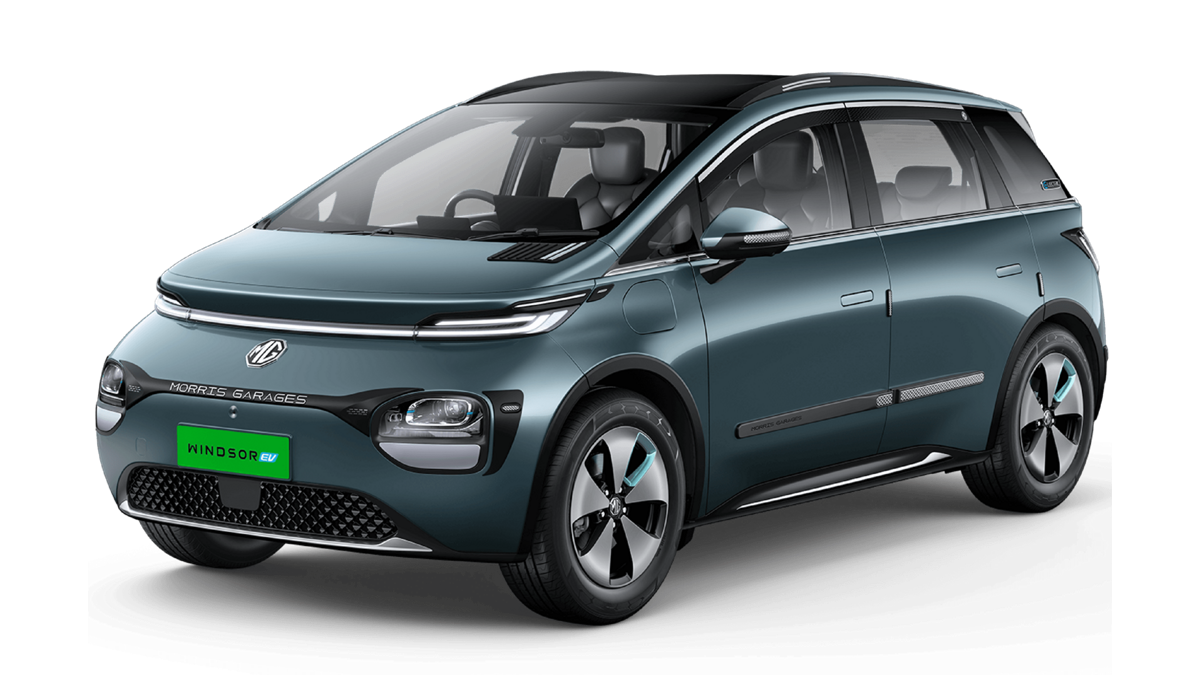
India’s electric passenger vehicle (e-PV) market reached a milestone in July 2026, with total monthly retail sales breaching the 32,000-unit mark for the second consecutive month. According to ministry VAHAN registration records and manufacturer dispatch reports, 32,614 electric passenger vehicles were registered across India in July 2026. This represents an 82.8% year-on-year (YoY) growth compared to the 17,953 units registered during the same period in July 2025.
While market leader Tata Motors crossed its highest-ever monthly sales threshold, rapid volume surges from Mahindra & Mahindra and newcomer entrants like Maruti Suzuki and VinFast India have broadened consumer choices across entry-level hatchbacks, mid-size born-electric SUVs, and commercial fleet transport.
1. Top Electric Car Manufacturers: July 2026 Sales & Market Share
The electric passenger car market in India saw shifts in brand rankings during July 2026. Tata Motors retained its market position, while Mahindra strengthened its second-place position through its born-electric SUV lineup. JSW MG Motor finished third, while Maruti Suzuki and Vietnamese automaker VinFast secured fourth and fifth positions.
The table below provides a detailed brand-by-brand sales volume breakdown, year-on-year growth trajectory, and market share distribution for July 2026:
| OEM Rank | Automotive Manufacturer | July 2026 Sales (Units) | July 2025 Sales (Units) | Year-on-Year Growth (%) | July 2026 Market Share (%) |
| 1 | Tata Motors | 13,583 | 6,732 | +101.8% | 41.6% |
| 2 | Mahindra & Mahindra | 7,677 | 3,415 | +124.8% | 23.5% |
| 3 | JSW MG Motor India | 5,642 | 5,901 | -4.4% | 17.3% |
| 4 | Maruti Suzuki India | 1,590 | 0 (New Launch) | N/A | 4.9% |
| 5 | VinFast India | 1,478 | 0 (New Launch) | N/A | 4.5% |
| 6 | BYD India | 742 | 505 | +46.9% | 2.3% |
| 7 | Hyundai Motor India | 565 | 719 | -21.4% | 1.7% |
| 8 | Kia India | 464 | 65 | +613.8% | 1.4% |
| 9 | Luxury Brands (BMW, Mercedes, Tesla, Volvo) | 699 | 438 | +59.6% | 2.1% |
| Total | Industry Total | 32,614 | 17,953 | +82.8% | 100.0% |
2. In-Depth Brand Performance Analysis
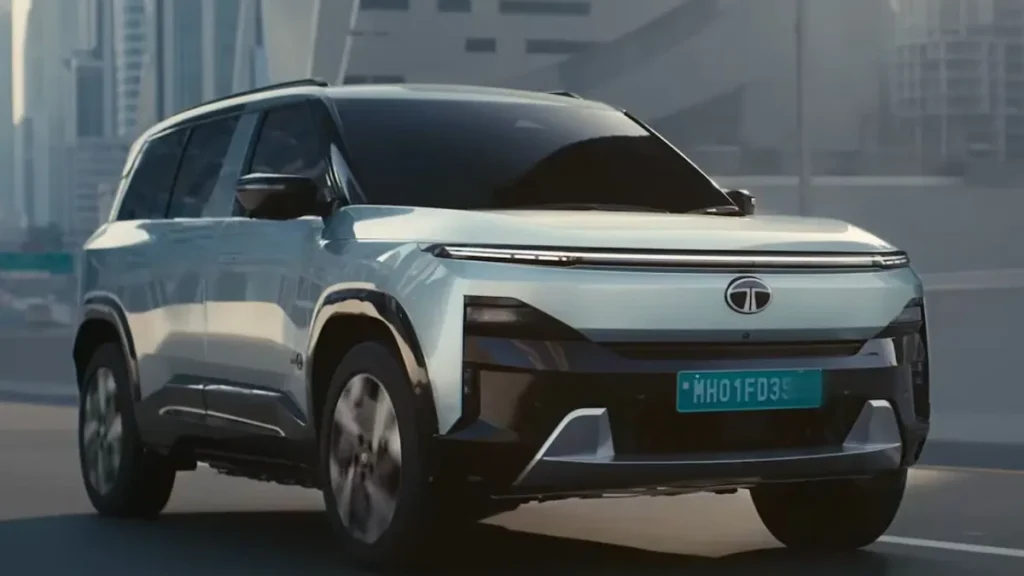
1. Tata Motors: Retaining Market Leadership (13,583 Units)
Tata Motors recorded its highest monthly retail sales volume to date, dispatching 13,583 units in July 2026. The company’s expansion into multiple price segments—ranging from the Tiago.ev urban hatchback to the Punch.ev, Nexon.ev, Curvv.ev, and the Sierra.ev—helped it maintain a 41.6% market share. The Nexon.ev and Punch.ev remain high-volume drivers, while the Sierra.ev expanded the brand’s reach in the ₹20 Lakh+ electric family SUV space.
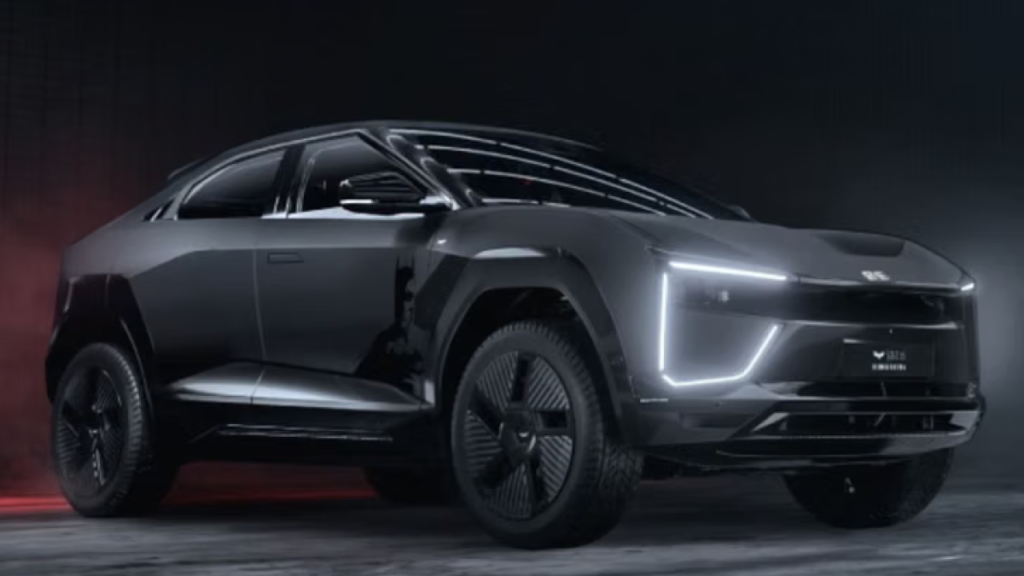
2. Mahindra & Mahindra: Born-Electric Platform Scale (7,677 Units)
Mahindra registered 7,677 electric SUV sales in July 2026, marking a 124.8% year-on-year surge. Built on the dedicated INGLO born-electric platform, the BE 6 coupe SUV, XEV 9e, and three-row XEV 9S accounted for over 90% of Mahindra’s total EV volume. Mahindra now commands 23.5% of the Indian passenger EV market, narrowing the gap with market leader Tata Motors.
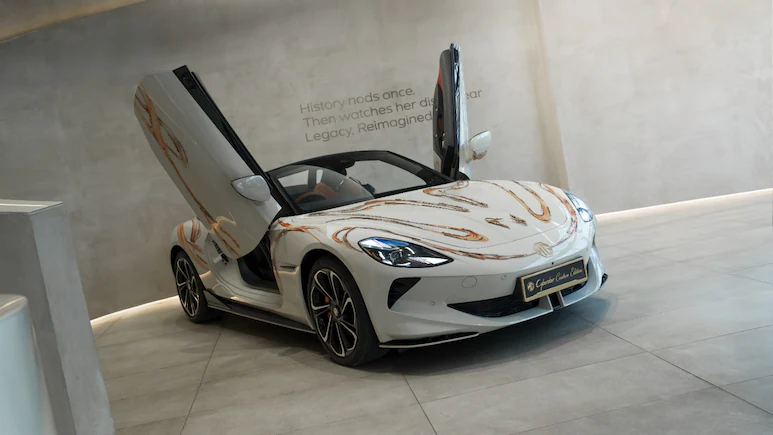
3. JSW MG Motor India: Volume Led by Windsor EV (5,642 Units)
JSW MG Motor India secured third place with 5,642 units registered in July 2026. While sales dropped 4.4% year-on-year, the MG Windsor EV—utilizing a Battery-as-a-Service (BaaS) subscription ownership model—remains MG’s bestselling electric model. Together with the Comet EV and ZS EV, MG retains a 17.3% market share in the passenger EV segment.
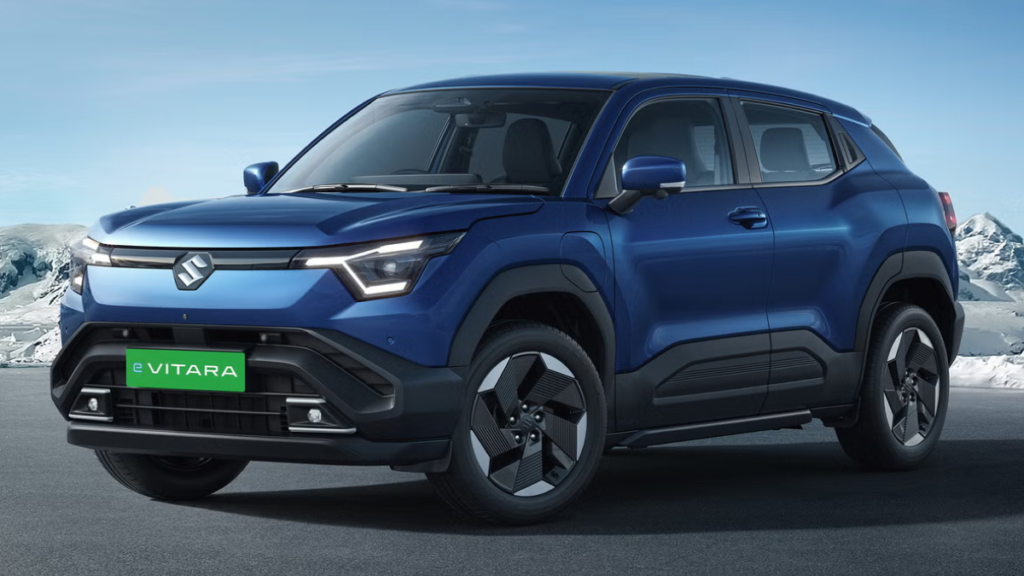
4. Maruti Suzuki: Commercial Momentum for e Vitara (1,590 Units)
Maruti Suzuki recorded its fifth consecutive month of four-digit EV sales, registering 1,590 units of the e Vitara in July 2026. Produced at Suzuki Motor Gujarat’s Hansalpur manufacturing facility, the e Vitara features 49 kWh and 61 kWh battery options with optional ALLGRIP e-4WD capabilities, capturing a 4.9% market share within five months of its domestic commercial release.
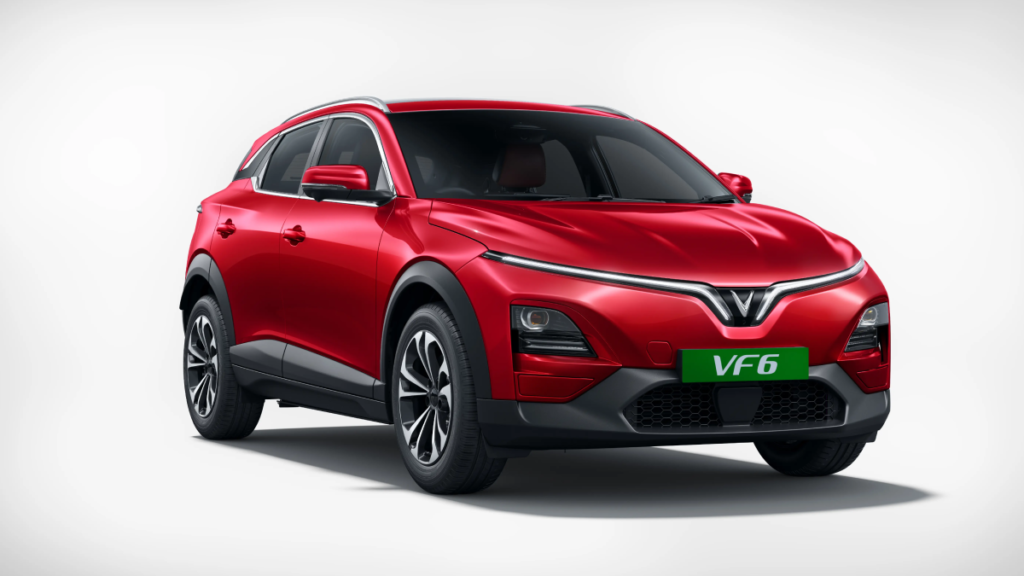
5. VinFast India: Commercial Fleet & Retail Growth (1,478 Units)
Vietnamese manufacturer VinFast achieved its highest monthly dispatch volume since entering the Indian market, delivering 1,478 units in July 2026. Driven by commercial fleet deliveries of the VF Limo Green MPV alongside consumer deliveries of the VF6 and VF7 crossovers, VinFast secured a 4.5% market share.
3. Top-Selling Electric Vehicle Models in July 2026
Market adoption across India shows a clear split between sub-₹15 Lakh urban commuter vehicles and ₹18 Lakh–₹28 Lakh mid-size family electric SUVs.
The table below contrasts the top-performing electric passenger vehicle models in India by powertrain architecture, battery capacity, and price positioning:
| Vehicle Model | OEM Manufacturer | Battery Pack Capacity | Real-World Driving Range | Price Range (Ex-Showroom) | Primary Segment Target |
| Tata Punch.ev | Tata Motors | 25 kWh / 35 kWh | 240 km – 310 km | ₹9.99L – ₹14.29L | Entry Urban SUV |
| Mahindra BE 6 | Mahindra | 59 kWh / 79 kWh | 420 km – 510 km | ₹18.90L – ₹26.50L | Born-Electric Sport SUV |
| MG Windsor EV | JSW MG Motor | 38 kWh (BaaS Option) | 260 km – 295 km | ₹13.50L – ₹17.50L | Crossover Utility / Fleet |
| Tata Nexon.ev | Tata Motors | 30 kWh / 45 kWh | 275 km – 360 km | ₹14.49L – ₹19.49L | Compact Family SUV |
| Maruti e Vitara | Maruti Suzuki | 49 kWh / 61 kWh | 340 km – 420 km | ₹17.99L – ₹23.50L | Mid-Size Utility SUV |
| VinFast VF Limo Green | VinFast India | 60 kWh LFP | 380 km | ₹19.50L – ₹22.00L | Commercial Fleet MPV |
4. Key Growth Drivers in India’s EV Ecosystem
A. Localized Battery Manufacturing & PLI Subsidies
The implementation of the Indian Government’s Production-Linked Incentive (PLI) scheme for Advanced Chemistry Cell (ACC) battery storage has enabled automakers to localize battery pack assembly. Local assembly of Lithium Iron Phosphate (LFP) chemistry cells has reduced battery costs to roughly $85 – $95 per kWh at the pack level, enabling manufacturers to offer larger battery capacities without significant price hikes.
B. Expansion of Public Fast-Charging Networks
Range anxiety has eased due to public charging infrastructure developments across major highways and urban centers:
Joint ventures between oil marketing companies (IOCL, BPCL, HPCL) and private charge point operators (CPOs) like Tata Power EZ Charge, Jio-bp, and ChargeZone have increased DC fast-charging density along national highway corridors.
5. Regional Adoption: Top States for EV Registrations in July 2026
Electric vehicle adoption rates vary by state, driven by regional subsidies, road-tax exemptions, and charging infrastructure availability. States like Maharashtra, Karnataka, Tamil Nadu, and Uttar Pradesh accounted for over 52% of total electric car registrations in July 2026.
The table below outlines state-level electric passenger vehicle registration distribution and policy incentives:
| Indian State / Union Territory | July 2026 EV Registrations | Market Share (%) | Key State Policy Incentives |
| Maharashtra | 5,420 Units | 16.6% | 100% Road tax waiver, urban fast-charger mandates |
| Karnataka | 4,180 Units | 12.8% | Zero road tax on EVs under ₹25 Lakh, tech-park chargers |
| Tamil Nadu | 3,850 Units | 11.8% | Manufacturing capital subsidies, 100% registration waiver |
| Uttar Pradesh | 3,610 Units | 11.1% | Full road tax waiver for locally manufactured EVs |
| Kerala | 2,940 Units | 9.0% | Reduced road tax rates, high rural solar EV adoption |
| Rest of India | 12,614 Units | 38.7% | Tier-2/3 market growth and corporate fleet expansion |
Summary: July 2026 Market Outlook
The July 2026 electric passenger vehicle sales figures demonstrate the growth of India’s electric car market. Driven by an 82.8% year-on-year sales increase, the transition from niche adoption to mainstream market acceptance is accelerating. With Tata Motors maintaining market leadership, Mahindra expanding its born-electric portfolio, and Maruti Suzuki and VinFast establishing local market presence, the Indian electric vehicle segment is entering a competitive era defined by diverse product options and expanded charging networks.
