


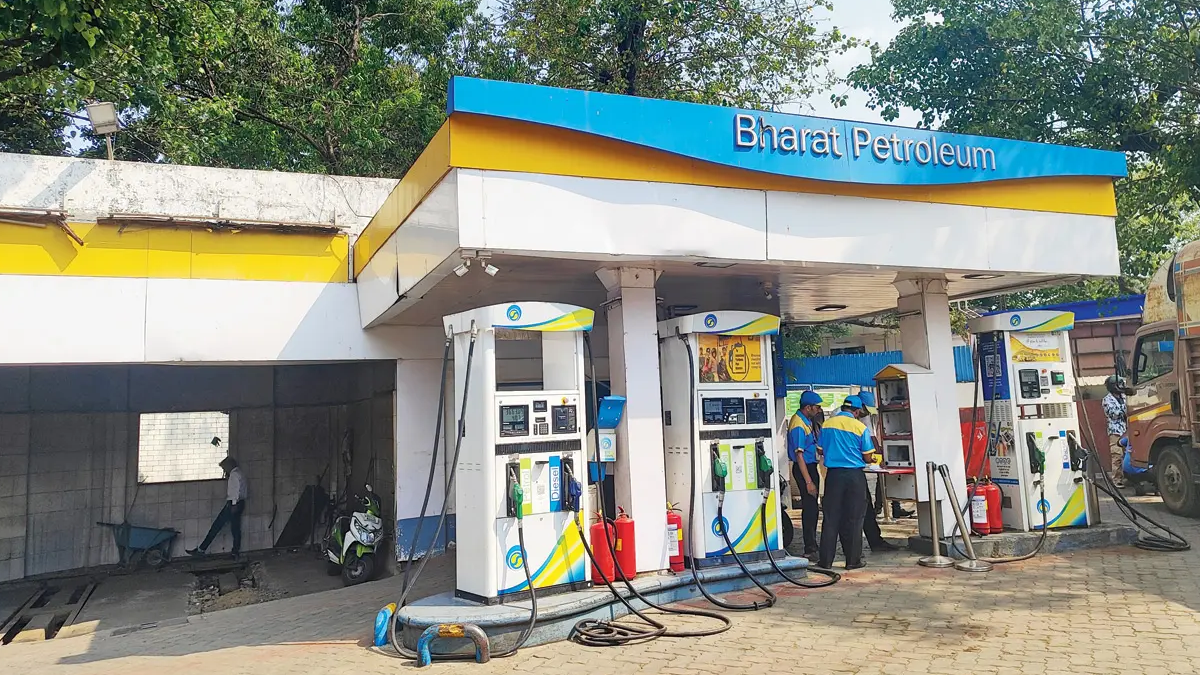
The rapid nationwide implementation of E20 petrol—unleaded fuel blended with 20 percent ethanol—has given rise to a massive waves of anxiety among Indian motorists. While automakers have steadily adapted by building compliant engines, millions of owners driving older, E10-certified vehicles have felt trapped. The anxiety reached a boiling point following a social media storm surrounding an insurer’s online post, which suggested that feeding non-compatible engines with E20 petrol could be deemed “user negligence,” potentially nullifying insurance claims.
Recognizing the widespread panic among vehicle owners, private insurance heavyweight ICICI Lombard issued an official, comprehensive clarification alongside a formal confirmation from the government’s Press Information Bureau (PIB) Fact Check team. The verdict is definitive: using E20 fuel will not void your motor insurance policy, nor is it a baseline ground for claim rejection.
Unpacking the Negligence Controversy
The entire issue originated from a technical FAQ blog published by the insurer. The post noted that car insurance policies are designed to cover sudden, accidental mishaps rather than long-term chemical wear. It noted that forcing an engine to run on an unintended fuel source could technically be scrutinized as improper use or driver negligence.
Because E20 petrol became the mandatory baseline fuel across Indian retail outlets, motorists with older vehicles literally have no other choice at the pump. Treating this forced transition as “driver negligence” felt inherently unfair to middle-class car owners.
In its official clarification, ICICI Lombard completely walked back that stance. The company explicitly stated that it does not view the use of E20 fuel in older vehicles as negligence. Instead, the firm praised the central government’s ethanol blending program as a progressive, environmentally friendly initiative.
Peril vs. Fuel Type: How Claims Are Evaluated
To reassure policyholders, the insurer clarified how claims are actually reviewed. The core mechanics of a comprehensive motor insurance policy are anchored entirely to insured perils—tangible, sudden events such as a collision, fire, natural calamity, or theft.
The fluid resting inside your fuel tank plays absolutely no role in determining whether a dented bumper or shattered windshield gets repaired under your policy. If an accident occurs, the claim is evaluated purely on the circumstances of the crash, completely independent of the vehicle’s fuel composition.
Defining Policy Limits: Accidental vs. Consequential Damage
While the policy remains fully intact, vehicle owners must understand the distinct boundary lines between different types of vehicle damage. The table below outlines how a standard comprehensive policy handles different damage types, helping policyholders avoid surprises during the claims process.
| Damage Scenario | Primary Cause | Policy Admissibility Status | Strategic Resolution Path |
| Accidental Collision | Front-end crash or multi-vehicle impact | Fully Covered (Standard Policy) | Traditional motor claim filing via insurer network |
| Total Vehicle Theft | Untraceable criminal theft | Fully Covered (Standard Policy) | Standard total-loss settlement requiring an untraceable certificate |
| Water Ingress (Flooding) | Hydrostatic engine lock in heavy monsoons | Covered via Add-on Only | Requires a dedicated Engine Protect rider add-on |
| Fuel System Corrosion | Long-term moisture absorption from ethanol | Excluded (Consequential Wear) | Treated as mechanical wear; handled via manufacturer warranty |
| Gradual Drop in Mileage | Lower energy density of ethanol blends | Excluded (Standard Wear and Tear) | Operational characteristic; cannot be claimed under insurance |
The Reality of Extended Ethanol Exposure
The real issue facing older, non-compliant vehicles isn’t sudden failure, but rather consequential damage that develops gradually. Because ethanol is naturally hygroscopic, it absorbs moisture from the air over time. This moisture accumulation can cause rust inside iron fuel tanks, degrade rubber gaskets, and corrode delicate aluminum fuel lines in cars built before the strict 2023 BS6 Phase 2 compliance window.
Because standard insurance contracts explicitly exclude gradual wear, tear, and chemical corrosion, any repair bills resulting from long-term ethanol damage cannot be claimed. Furthermore, standard engine protection add-ons are explicitly tailored to combat engine damage from oil leaks or water logging, meaning they won’t cover chemical corrosion either.
Ultimately, while your operational insurance policy remains completely safe from cancellation, safeguarding an older vehicle requires proactive maintenance, regular fuel filter inspections, and avoiding letting the car sit idle with a near-empty tank for long periods.

