


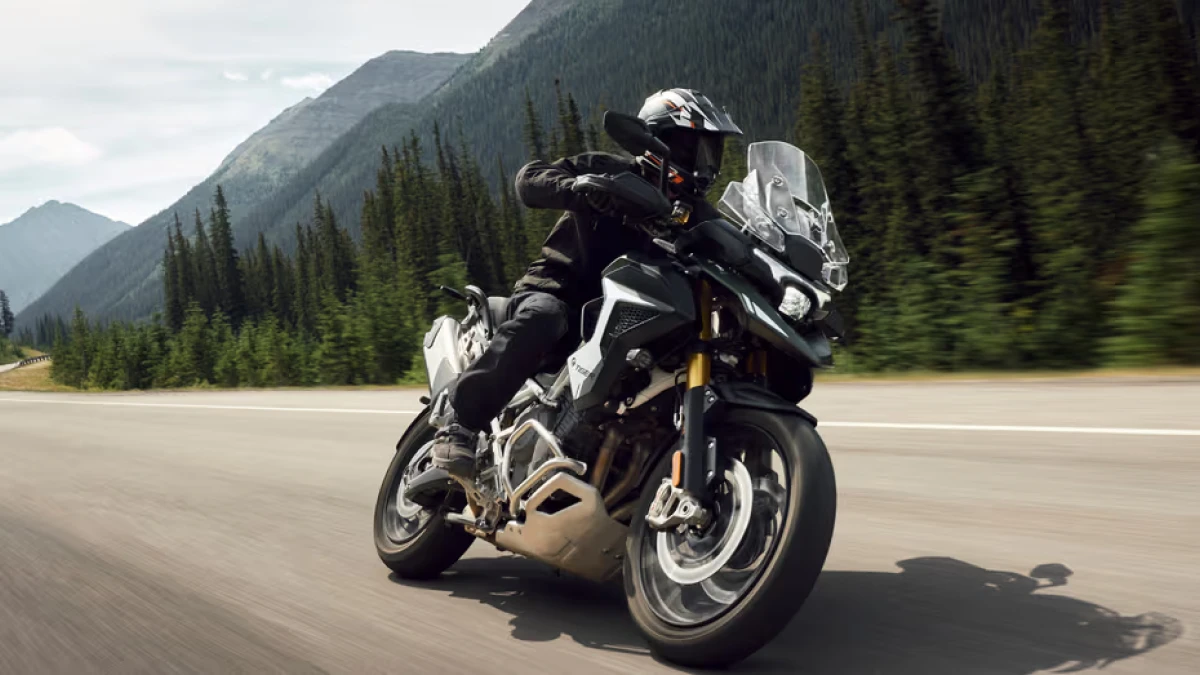
If you’ve been keeping an eye on the heavyweight adventure motorcycle segment, you already know that the competition is fiercely relentless. Just when we thought the dust had settled in the battle of the big ADVs, Triumph decided to kick things into overdrive. The British marque has officially pulled the wraps off the updated 2027 Tiger 1200 range, and they aren’t just giving us a fresh coat of paint and some new graphics. We are looking at a radical, comprehensive overhaul. It features a noticeably beefier engine, ground-breaking radar technology, and a heavily tweaked chassis setup that aims to redefine how this leviathan handles both the tarmac and the dirt.
For Indian riders, the anticipation is palpable. Scheduled to hit showroom floors in March 2027, this updated behemoth is bringing the fight directly to the doorsteps of established titans like the BMW R 1300 GS and the Ducati Multistrada V4. Let’s break down exactly what the 2027 Triumph Tiger 1200 brings to the table, how much it’s going to hurt your wallet, and whether you should be putting down a deposit.
Pricing and Availability in India
Let’s talk numbers right out of the gate. The 2027 Triumph Tiger 1200 lineup in India has been smartly streamlined to make your buying decision a little less chaotic. You have two distinct flavors to choose from: the road-biased Tiger 1200 GT Pro, priced at ₹20.99 lakh (ex-showroom), and the globetrotting, go-anywhere Tiger 1200 Rally Explorer, commanding a sticker price of ₹23.49 lakh (ex-showroom).
Yes, the pricing has crept up compared to the outgoing generation listed on Triumph India’s current website. However, a quick glance at the spec sheet reveals that Triumph isn’t just charging you for inflation. The changes extend far beyond cosmetic revisions. The ₹2.50 lakh premium for the Rally Explorer over the GT Pro might seem steep at first glance, but when you factor in the massive 30-litre fuel tank, heavy-duty spoked wheels, extensive crash protection, and bespoke off-road hardware, it starts making a lot of financial sense for the hardcore tourer who refuses to turn back when the tarmac ends.
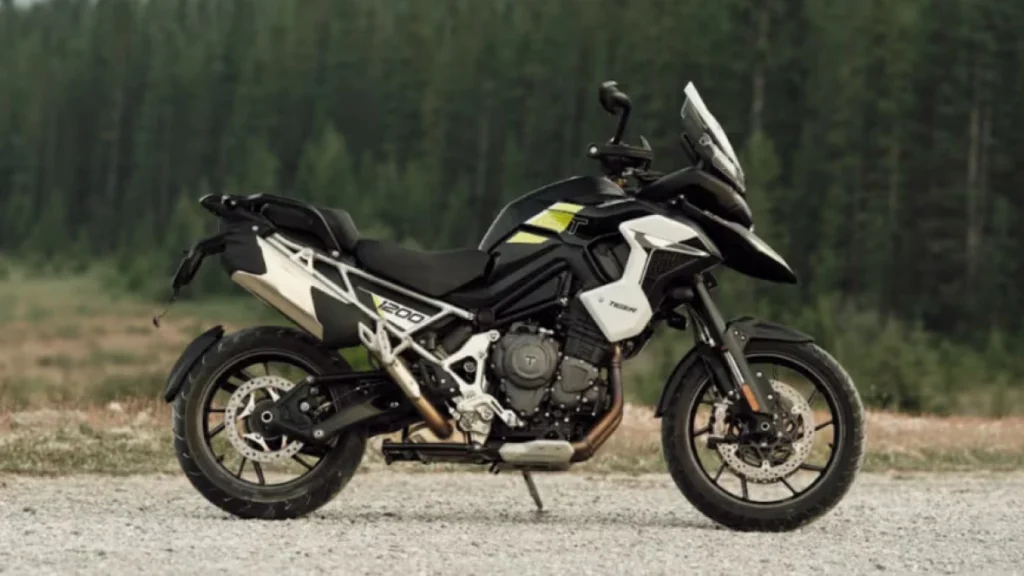
The Heart of the Beast: The Upgraded 1,160cc T-Plane Triple
The heart of any motorcycle is its engine, and Triumph has historically nailed the three-cylinder formula. The 2027 model retains the 1,160cc, liquid-cooled, inline-triple architecture, but the engineers in Hinckley have been burning the midnight oil to extract more grunt and better manners from this powerhouse.
Peak power is now rated at a staggering 158 horsepower at 9,250 rpm, paired with a mountain-moving 130 Nm of torque at 6,750 rpm. That’s a clear 8 horsepower bump over the older version. But raw dyno numbers rarely tell the whole story, do they? To achieve this, Triumph didn’t just remap the ECU and call it a day. They went deep into the engine’s internal components. We are talking about a heavily revised cylinder head, reshaped pistons, and a brand-new exhaust system. They even threw in lighter intake and exhaust valves, alongside a much more precise fuel injection calibration for crisper throttle response.
What does this mean when you actually twist the throttle? The T-plane crank design—which gives the engine its unique uneven firing order—still provides that glorious, twin-like low-end chug combined with the manic top-end rush of a four-cylinder. But the biggest, most practical change isn’t the top speed; it’s the slow-speed drivability.
Anyone who has wrestled a 250-plus kilogram adventure bike through chaotic Indian city traffic, or tried to navigate a tricky, boulder-strewn hairpin on a Himalayan trail, knows that clutch management can be a sweaty nightmare. Triumph recognized this hurdle. By tweaking the primary and final-drive ratios, they’ve managed to drop the motorcycle’s minimum crawl speed by roughly 6 km/h. That is a massive deal in the real world. It translates to less clutch slipping, less stalling anxiety, and vastly improved tractability when you are filtering through gridlock or tiptoeing over slippery rocks. The six-speed gearbox remains, but the entire drivetrain feels more intuitive, allowing the rider to easily harness the bike’s low-end muscle without the jerky on-off throttle response that plagues so many modern high-horsepower machines.
Chassis and Footwear: A Surprising Twist
If there is one talking point that is going to dominate campfire discussions, it’s the wheels. Historically, the ‘Rally’ variants of hardcore adventure bikes have proudly rocked a 21-inch front wheel to bulldoze over off-road obstacles. Not anymore. For 2027, Triumph has made the controversial yet highly pragmatic decision to equip both the GT Pro and the Rally Explorer with a 19-inch front and 17-inch rear wheel setup.
Why the sudden change in philosophy? A 19-inch front wheel strikes the ultimate sweet spot. It turns in faster on twisty mountain roads, offers superior front-end feel under hard braking, and drastically reduces gyroscopic sluggishness at highway speeds. While the GT Pro gets cast-aluminium alloys perfect for tubeless street tires, the Rally Explorer features tough, cross-spoked wheels that can take a serious beating in the dirt while still giving you the convenience of running tubeless rubber.
Suspending this massive machine is top-tier hardware from Showa. Both bikes feature a chunky 49mm upside-down fork and a rear monoshock, serving up a plush 200mm of suspension travel. Indian roads are notoriously unpredictable. You can be cruising on a freshly laid six-lane expressway one minute, and dodging axle-snapping potholes the next. This is where the semi-active suspension proves its worth. Taking data from a six-axis Inertial Measurement Unit (IMU), the bike adjusts compression and rebound damping in fractions of a second based on your speed, lean angle, and road surface. Add in the automatic self-levelling preload—which perfectly adjusts the rear ride height whether you are riding solo, with a pillion, or loaded up with heavy luggage—and you have an incredibly compliant ride.
To stop all this momentum, Triumph bolted on twin 320mm floating discs up front, clamped by the legendary Brembo Stylema calipers, backed by a 282mm disc at the rear. You’ll need that serious stopping power, considering the GT Pro tips the scales at 250 kg kerb weight, while the Rally Explorer weighs in at a hefty 268 kg fully fueled.
The Tech Revolution: Radar and Connectivity
Motorcycles are officially entering the sci-fi era, and the 2027 Tiger 1200 is leading the charge with a cutting-edge Bosch radar system integrated into both the front fairing and the rear tail section.
If you do a lot of interstate touring, the Adaptive Cruise Control is going to be your new best friend. Set your cruising speed, and the front radar will automatically maintain a safe distance from the vehicle ahead, accelerating and braking as traffic dictates. But the safety net goes much wider than just highway convenience.
The front radar suite powers Forward Collision Warning and Emergency Brake Assistance, potentially saving you from catastrophic rear-end accidents if traffic suddenly comes to a halt. Meanwhile, the rear radar actively monitors your six o’clock, offering Blind-Spot Assistance through subtle visual warnings, and a Rear-Distance Warning if a tailgating car gets uncomfortably close. There is even a Group Ride Assistance feature, which is a fantastic addition for weekend warriors riding in staggered formations. Sure, these systems aren’t an excuse to stop paying attention, but having a digital co-pilot watching your back is an incredible stress reliever on a grueling, multi-day tour.
Interacting with all this tech is done through a stunning new 7-inch TFT touchscreen display. And finally, answering the prayers of riders everywhere, Triumph has integrated wireless Apple CarPlay and Android Auto. This is revolutionary for route planning. No more mounting your expensive smartphone on the handlebars where it’s exposed to rain, dust, and the very real risk of camera damage due to engine vibrations. You can safely tuck your phone away in the dedicated, weather-proof tank compartment, plug it into the USB-C charging port, and rely entirely on the bike’s massive dashboard.
Variant Showdown: GT Pro vs. Rally Explorer
Choosing between the two variants isn’t just about budget; it’s about defining your riding lifestyle. The GT Pro offers seven distinct riding modes, tailoring the power delivery and traction control for varying street conditions. The Rally Explorer takes it a step further with an eighth mode—Off-Road Pro—which essentially dials back the electronic safety nets, allowing experienced riders to slide the rear wheel and lock the rear brake in the dirt.
To make the distinction crystal clear, let’s look at exactly what separates these two machines.
2027 Triumph Tiger 1200 Feature Breakdown
| Feature | Tiger 1200 GT Pro | Tiger 1200 Rally Explorer |
| Ex-Showroom Price | ₹20.99 lakh | ₹23.49 lakh |
| Wheel Setup | 19-inch front / 17-inch rear (Cast Alloy) | 19-inch front / 17-inch rear (Cross-Spoked) |
| Fuel Tank Capacity | 20 Litres | 30 Litres |
| Kerb Weight | 250 kg | 268 kg |
| Riding Modes | Seven | Eight (Includes Off-Road Pro) |
| Tyre Pressure Monitoring (TPMS) | Optional Accessory | Standard Equipment |
| Engine Protection | Standard touring setup | Engine guard + upper/lower crash bars |
| Handlebar Ergonomics | Standard positioning | 10mm higher and 10mm wider |
The 30-litre tank on the Rally Explorer is the real game-changer for cross-country riders. While it adds top-heavy weight, it extends your range drastically, meaning fewer fuel stops in remote areas where high-octane petrol is scarce. Furthermore, the revised handlebar ergonomics—raised by 10mm and widened by 10mm—make standing up on the pegs during off-road sections significantly more comfortable, especially for taller riders.
Competition and Final Verdict
The premium adventure-touring segment in India is arguably the most fiercely competitive space in the big-bike market right now. The 2027 Tiger 1200 isn’t stepping into a vacuum; it’s walking into a bar fight with heavyweights.
However, Triumph holds a distinct advantage when it comes to pricing. Both variants of the Tiger significantly undercut the starting prices of its European rivals when you match them spec for spec. When you start adding radar tech, semi-active suspension, and crash protection to a BMW or a Ducati, the price tag balloons rapidly. Triumph is offering an incredibly comprehensive, ready-to-ride package right out of the box.
The 2027 update is far more than a mid-life facelift. The stronger engine with its lowered crawl speed fixes one of the biggest complaints of riding large ADVs in slow traffic. The shift to a 19-inch front wheel across the board makes the bike undeniably sharper on the road without sacrificing too much off-road capability, acknowledging the reality that most riders spend the vast majority of their miles on the tarmac.
If your idea of a road trip involves endless highways, twisty ghat sections, and maybe a perfectly graded gravel driveway to a luxury resort, the GT Pro is an exceptional, relatively lightweight touring weapon. It handles beautifully and packs enough tech to keep you engaged for years.
On the other hand, if you suffer from incurable wanderlust, if you plan to conquer Spiti Valley, ride to Ladakh, and prefer venturing deep into the unknown without worrying about fuel range or dropping the bike on jagged rocks, the Rally Explorer justifies every single rupee of its premium. Triumph has built a versatile masterpiece, and March 2027 can’t arrive soon enough.

1 Comment
Pingback: 2027 Kawasaki KLE650 Revealed With New Features