


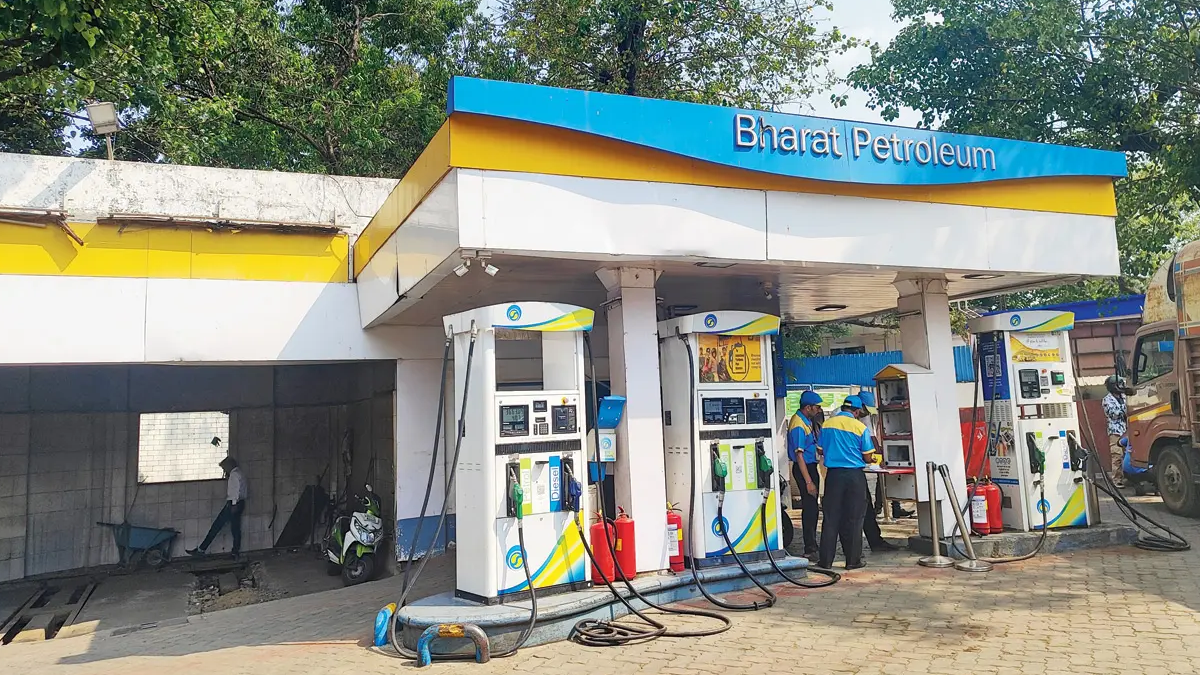
The nationwide transition to E20 petrol—a blend of 80% conventional gasoline and 20% anhydrous ethanol—marks one of the largest fuel policy shifts in Indian automotive history. Aimed at reducing crude oil import dependency and lowering tailpipe carbon emissions, the rollout has nevertheless sparked intense debate among vehicle owners, consumer rights groups, and automotive enthusiasts.
Addressing these concerns during a Rajya Sabha session, Union Minister for Road Transport and Highways Nitin Gadkari clarified the government’s official stance. While reassuring motorists that E20 fuel does not cause major engine damage or catastrophic mechanical failures, the Ministry officially acknowledged for the first time that certain rubber components, O-rings, and gaskets in older vehicles may degrade prematurely and require replacement during routine servicing.
Understanding E20 Compatibility Across Vehicle Generations
To evaluate the real-world impact of 20% ethanol-blended fuel, joint research was conducted by key automotive and energy research bodies, including the Automotive Research Association of India (ARAI), the Indian Institute of Petroleum (IIP) Dehradun, the Indian Oil Corporation Limited (IOCL), and the Society of Indian Automobile Manufacturers (SIAM).
The findings confirm that vehicle vulnerability depends heavily on the manufacturing year, emission compliance tier, and material specs used in the fuel delivery system.
The matrix below categorizes vehicle compatibility, material risk levels, and recommended action steps across different generation brackets:
| Vehicle Classification | Manufacturing Era | Emission Standard | Material Compatibility Status | Primary Maintenance Requirement |
| BS-VI Phase 2 Models | April 2023 – Present | BS-VI Stage II | 100% E20 Compliant | Standard routine manufacturer maintenance |
| BS-VI Phase 1 Models | April 2020 – March 2023 | BS-VI Stage I | Material Compliant (Tuned for E10) | Regular inspection; minor tuning adjustments |
| BS-IV Models | April 2017 – March 2020 | BS-IV | Mostly Compatible | Inspect fuel lines & fuel filter during service |
| BS-III & Pre-2016 Models | April 2005 – March 2016 | BS-III / BS-II | Susceptible to Rubber/Seal Wear | Replace aging rubber hoses, gaskets, and O-rings |
| Vintage & Legacy Models | Pre-April 2005 | BS-I / Non-BS | High Degradation Risk | Retrofit ethanol-resistant synthetic fuel lines |
The Chemistry of Ethanol: Why Rubber and Gaskets Degrade
To understand why older vehicles experience fuel-line issues with E20 petrol, it helps to examine the chemical properties of ethanol compared to traditional pure gasoline.
1. Corrosive Solvency & Plasticizer Extraction
Ethanol acts as a strong solvent. In older vehicles manufactured prior to 2016, fuel lines, carburetor diaphragms, fuel pump seals, and tank gaskets were predominantly constructed using Nitrile Rubber (NBR) or standard synthetic polymers. When exposed to higher ethanol concentrations over extended periods, ethanol leaches the plasticizers out of NBR rubber. This causes the material to dry out, lose flexibility, turn brittle, and eventually crack or seep fuel under pressure.
2. Hygroscopic Water Absorption
Ethanol is hygroscopic, meaning it naturally attracts and absorbs water vapor from atmospheric humidity. In vehicles that sit idle for long periods—such as older weekend cars or seasonally used two-wheelers—water absorbed by the ethanol can separate from the petrol (a process known as phase separation). This acidic water-ethanol mixture settles at the bottom of the fuel tank, accelerating internal rust in metallic tanks and degrading rubber seal rings.
3. Modern Material Alternatives
Modern E20-compliant vehicles (produced after April 2023) eliminate this issue by utilizing advanced synthetic fluoropolymers such as Fluoroelastomers (FKM / Viton), Polytetrafluoroethylene (PTFE), and high-density polyethylene fuel tanks. These materials are chemically inert to ethanol, preventing swelling, hardening, or solvent degradation.
What Nitin Gadkari Stated in Parliament
“Studies confirmed that even legacy vehicles did not exhibit any significant variations in performance, nor do they show abnormal wear-and-tear when operated with E20 fuel. No issues were reported in parameters such as drivability, startability, metal compatibility, and plastic compatibility. Only in the case of testing done on BS-III vehicles introduced from 1st April 2005, and manufactured prior to 2016, some rubber parts and gaskets may require replacement, which can be easily managed during routine servicing.”
Impact Breakdown: Component-by-Component Vulnerability
While major engine components such as engine blocks, pistons, spark plugs, and cylinder heads show no abnormal wear when running on E20 petrol, specific peripheral fuel system components require closer attention.
The table below details individual component risks, failure symptoms, and recommended replacement solutions for legacy vehicle owners:
| Fuel System Component | Vulnerability Level | Common Failure Symptoms | Recommended Technical Fix |
| Fuel Feed Hoses & Lines | High | Fissures, exterior cracking, fuel odor, minor seepage | Replace with SAE J30 R9 / Viton-lined fuel hoses |
| Carburetor Float Seals & Diaphragms | High | Hard starting, erratic idling, fuel overflow from float bowl | Install ethanol-resistant (FKM) rebuild kits |
| Fuel Tank Flange Gaskets | Medium | Faint petrol smell near tank cap or under rear seats | Swap OEM rubber gaskets for modern synthetic seals |
| Fuel Pump Internal O-Rings | Medium | Loss of fuel line pressure, extended engine cranking | Replace internal O-rings with Viton-spec rings |
| Metal Fuel Tanks (Internal) | Low to Medium | Internal surface flaking, rust particles clogging filter | Apply internal anti-corrosion tank coating or sealant |
| Fuel Injectors (BS-IV Models) | Low | Minor varnish buildup if vehicle sits unused for months | Run periodic fuel injector cleaner additives |
Checklist for Older Vehicle Owners: Practical Maintenance Steps
If you drive a petrol car or ride a two-wheeler manufactured between 2005 and 2016, running E20 petrol does not mean you need to sell your vehicle or undergo expensive engine overhauls. Following a proactive maintenance routine keeps your fuel delivery system operating safely:
Step 1: Conduct a Visual Fuel Hose Inspection
Inspect all visible rubber fuel lines under the hood or near the fuel tank. Look for surface checking (hairline cracks), soft mushy spots when pinched, or signs of fuel weeping near hose clamps.
Step 2: Upgrade to Ethanol-Resistant Hoses During Service
When taking your vehicle for routine oil changes, ask your mechanic to inspect and proactively swap old rubber fuel lines with SAE J30 R9 grade fuel hoses. These hoses feature an inner fluorine lining designed specifically to resist ethanol solvency.
Step 3: Replace the Fuel Filter Annually
Because ethanol acts as a detergent, it can loosen old varnish and sludge deposits resting on the walls of older fuel tanks. These loosened deposits travel straight to the fuel filter. Replacing your fuel filter every 10,000 km prevents pump strain and injector clogging.
Step 4: Avoid Storing Vehicles with Partial Fuel Tanks
If you plan to leave a legacy vehicle parked for longer than three weeks, keep the fuel tank topped off to minimize air space inside the tank. This reduces atmospheric moisture absorption and prevents fuel phase separation.
Fuel Efficiency Expectations: Mileage vs. Maintenance
Beyond component wear, fuel economy remains a top question for motorists using E20 petrol. Because pure ethanol contains roughly 30% less energy density by volume than pure gasoline, E20 fuel naturally results in a slight drop in volumetric fuel efficiency.
According to testing data from the Ministry of Petroleum and Natural Gas and automotive testing bodies:
- Modern E20-Calibrated Engines: Suffer a minor fuel efficiency drop of roughly 1.5% to 3%, which modern electronic engine management systems compensate for by optimizing ignition timing.
- Legacy Uncalibrated Engines (BS-III / BS-IV): May experience a mileage reduction ranging from 3% to 6%, depending on driving habits, tire pressure maintenance, and carburetor/injector tuning.
Government and oil industry representatives emphasize that while mileage drops marginally, ethanol blending yields substantial national benefits—reducing carbon monoxide emissions, cutting national crude import expenditure, and supporting local agricultural refining industries.
Final Takeaway
Nitin Gadkari’s statement brings much-needed clarity to India’s E20 fuel transition. For owners of modern vehicles, E20 fuel is entirely safe and plug-and-play. For owners of pre-2016 BS-III cars and two-wheelers, the message is simple: there is no need for panic or major engine modifications, but routine replacement of aging rubber hoses and gaskets during regular servicing is a sensible precaution.
A growing digital movement known as the E20 Janta Party is calling for Indian consumers to have the absolute choice of buying 100% pure petrol alongside E20 fuel. They argue that older vehicles and certain engine types may not be fully compatible with higher ethanol blends.
Related Links
