


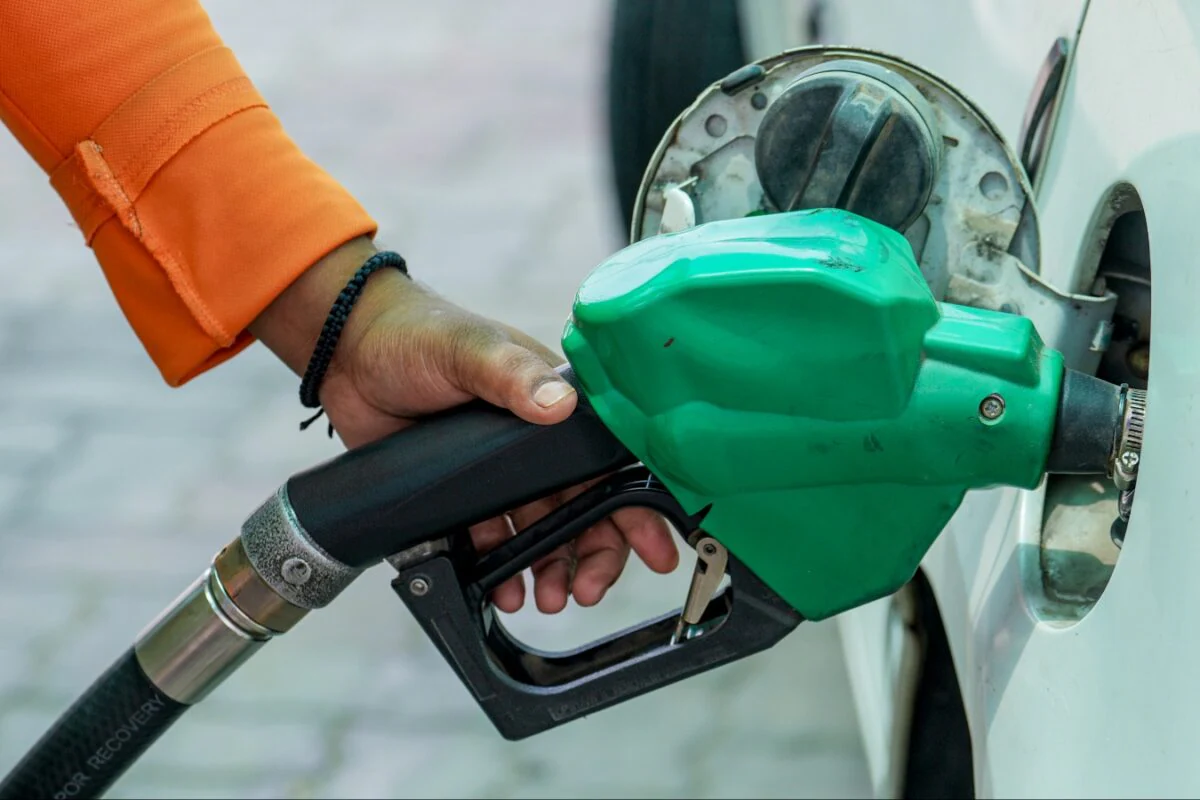
India’s push towards cleaner fuels has rapidly accelerated the adoption of E20 petrol, a blend containing 20% ethanol and 80% petrol. While the government views it as an essential step toward reducing oil imports, supporting agriculture, and cutting emissions, not everyone is convinced.
A growing digital movement known as the E20 Janta Party is calling for Indian consumers to have the absolute choice of buying 100% pure petrol alongside E20 fuel. They argue that older vehicles and certain engine types may not be fully compatible with higher ethanol blends.
But what exactly is the E20 Janta Party, why has it suddenly gained massive attention, and what does this fiery debate mean for millions of vehicle owners across India?
What Is the E20 Janta Party?
The E20 Janta Party is not a registered political entity. It is a massive, grassroots digital and satirical movement that emerged in late July 2026, primarily on platforms like Instagram and X. Inspired by the recent online success of the “Cockroach Janta Party” (which protested the NEET paper leaks), the E20 Janta Party advocates strictly for consumer choice.
- Consumer-Choice Campaign: The group states they are the voice of ordinary motorists who purchased vehicles with their hard-earned money and taxes.
- Core Demand: They are not demanding free fuel or an end to ethanol blending. Instead, they want the freedom to choose, demanding that 100% unblended petrol be made available at all pumps at standard prices.
- Transparency: The movement advocates for clear fuel labeling and publicly available data regarding the long-term impact of E20 on older engines.
MotorFuturist Insight: The debate isn’t necessarily about rejecting ethanol—it is entirely about giving consumers the freedom to choose the fuel best suited to the mechanical reality of their specific vehicle.
What Is E20 Petrol?
In simple terms, E20 is a blended motor fuel.
- 20% Ethanol: A biofuel typically derived from agricultural crops.
- 80% Petrol: Standard unleaded gasoline.
- Government Initiative: Rolled out as a major pillar of India’s energy transition to reduce reliance on imported crude oil.
Why Is India Promoting E20 Fuel?
The transition to E20 fuel is driven by several massive macroeconomic and environmental goals:
- Reduce Oil Imports: India imports over 80% of its crude oil. Ethanol blending significantly cuts down this expensive dependency.
- Support Farmers: Ethanol is produced domestically from crops like sugarcane, broken rice, and maize, creating immense additional demand and income for the agricultural sector.
- Lower Carbon Emissions: Higher ethanol blending can help reduce tailpipe carbon emissions and particulate matter under certain operating conditions.
- Improve Energy Security: Locally produced ethanol shields the economy from volatile global oil market shocks.
Why Are Some Drivers Opposed to E20?
This transition is where the friction lies. The E20 Janta Party and numerous motorists have raised highly valid concerns:
- Older Vehicles: Many vehicles manufactured before widespread E20 compatibility mandates (April 2023) were simply not designed for prolonged use with 20% ethanol blends.
- Component Wear: Ethanol is corrosive to certain materials. Owners fear long-term degradation of rubber seals, plastic fuel lines, and metal engine components in older, non-compliant vehicles.
- Reduced Fuel Economy: Ethanol inherently contains roughly 30% less energy by volume than pure petrol. Blending 20% ethanol can lead to a noticeable 3-5% drop in overall fuel efficiency.
- Lack of Consumer Choice: While premium 100-octane pure petrol is available, it is prohibitively expensive (around ₹169/litre in Delhi compared to ₹102 for standard E20). Motorists simply want standard 100% petrol at regular prices.
E20 vs Regular Petrol
| Feature | E20 Petrol | Regular Petrol (E0/E5) |
| Ethanol Content | 20% | Minimal (0% to 5%) |
| Fuel Efficiency | Slightly lower (3-5% drop) | Higher |
| Emissions | Lower CO₂ potential | Higher |
| Best For | New E20-compatible vehicles | Older, legacy vehicles |
| Availability | Rapidly increasing pan-India | Extremely limited / Expensive |
Which Cars Are Compatible with E20?
Compatibility is not universal. You should always consult your owner’s manual before making assumptions.
- Fully Compatible: The vast majority of new vehicles manufactured after April 2023 are legally mandated to be fully E20 compliant.
- Partially Compatible: Some older BS6 vehicles can run on E20 safely but may experience slight efficiency drops.
- Older Vehicles: Vehicles manufactured before 2012 are generally not engineered for ethanol and face a high risk of fuel pump failure and rubber degradation.
Does E20 Damage Engines?
It requires a balanced perspective.
Modern E20-ready engines (post-2023) are explicitly engineered with upgraded fuel lines and internal materials to handle the corrosive nature of ethanol flawlessly.
However, older engines require extreme caution. Using high-ethanol blends in a 2010 hatchback over a long period can dry out rubber seals and damage the fuel pump. No blanket conclusion applies to every vehicle—compatibility entirely depends on the manufacturer, model year, and specific fuel system design.
What Does the Government Say?
The government maintains that E20 is a safe, tested, and vital fuel for the nation’s future. Replying to recent parliamentary queries in mid-2026, the Ministry of Petroleum stated that there is no evidence of “widespread or substantiated” engine damage linked to E20 fuel. The rollout continues aggressively, meeting strict national blending targets to secure energy independence.
What Does the E20 Janta Party Want?
The digital movement has outlined very clear, non-political demands:
- Keep E20 available for compatible cars.
- Simultaneously sell standard 100% petrol at regular prices across all fuel stations.
- Increase consumer awareness and enforce completely transparent fuel labeling at the pump.
- Publish independent government research detailing the exact impact of E20 on older engines and mileage.
Could India Continue Selling Two Types of Petrol?
Pros:
- Absolute consumer choice.
- Protects millions of older, perfectly functioning vehicles from premature wear.
- Eases the public anxiety surrounding the transition.
Cons:
- Massive logistics and supply chain costs to transport two separate fuel grades.
- Storage complexity at thousands of petrol pumps that lack dual underground tanks.
- Undermines the total volume of ethanol blending required to hit national import-reduction targets.
Timeline
1. Timeline of India’s Ethanol Blending Programme
- Pre-2014: Ethanol blending hovered below 1.5%.
- 2020–2022: Nationwide achievement of E10 (10% blending).
- April 2023: Mandate introduced requiring all newly manufactured petrol vehicles to be material-compatible with E20.
- 2025–2026: E20 rapidly rolls out across standard fuel pumps nationwide, sparking the E20 Janta Party movement.
2. E20 Compatibility Guide (By Manufacturer)
Always verify with your specific VIN, but here is the general manufacturer timeline:
| Manufacturer | E20 Compatible From | Notes |
| Maruti Suzuki | April 2023 | All models upgraded from this date |
| Hyundai / Kia | 2023 | Models transitioning to BS6 Phase 2 |
| Tata Motors | 2023 | All Nexon, Punch, Altroz, etc. |
| Honda | Jan 2009 | Honda claims material compatibility since 2009 |
| Volkswagen / Skoda | April 2020 | Officially compatible on BS6 petrol cars |
| Mahindra | 2023 | XUVs and Thar petrol models |
3. Real-World Impact of E20
If you are forced to run E20 in a partially compatible vehicle, here is what you can practically expect:
- Fuel Economy: A 3% to 5% drop in mileage because ethanol is less energy-dense.
- Engine Performance: Often identical, though some drivers report a slight drop in low-end responsiveness.
- Maintenance: Older cars may require more frequent fuel filter changes and closer monitoring of rubber fuel lines.
4. Myth vs Fact
- Myth: “E20 destroys every engine instantly.”
- Fact: False. Putting E20 in an older car a few times won’t melt the engine. The risk comes from long-term, sustained usage in non-compliant cars.
- Myth: “All cars sold today can safely use E20.”
- Fact: True. Any car manufactured after April 2023 in India is fully engineered for E20.
- Myth: “Regular 100% petrol is completely banned.”
- Fact: False. Ethanol-free petrol exists as 100-octane premium fuel, though it is currently very expensive and limited to select stations.
MotorFuturist Verdict
The debate around E20 petrol is less about choosing between cleaner fuel and conventional petrol, and entirely about managing a smooth, logical transition. While ethanol blending offers clear, undeniable benefits for energy security, reduced oil imports, and agricultural support, the financial concerns of millions of older vehicle owners are completely understandable.
Rather than viewing the issue as a conflict, the long-term success of India’s ethanol programme will heavily depend on clear consumer education, highly transparent fuel labeling, and ensuring motorists have confidence that the fuel they pump is appropriate for the vehicle they drive. Giving consumers a choice might just be the key to keeping the transition peaceful.
Related Link – E20 Petrol and Legacy Vehicles: What Nitin Gadkari’s Parliament Statement Means for Your Car
