


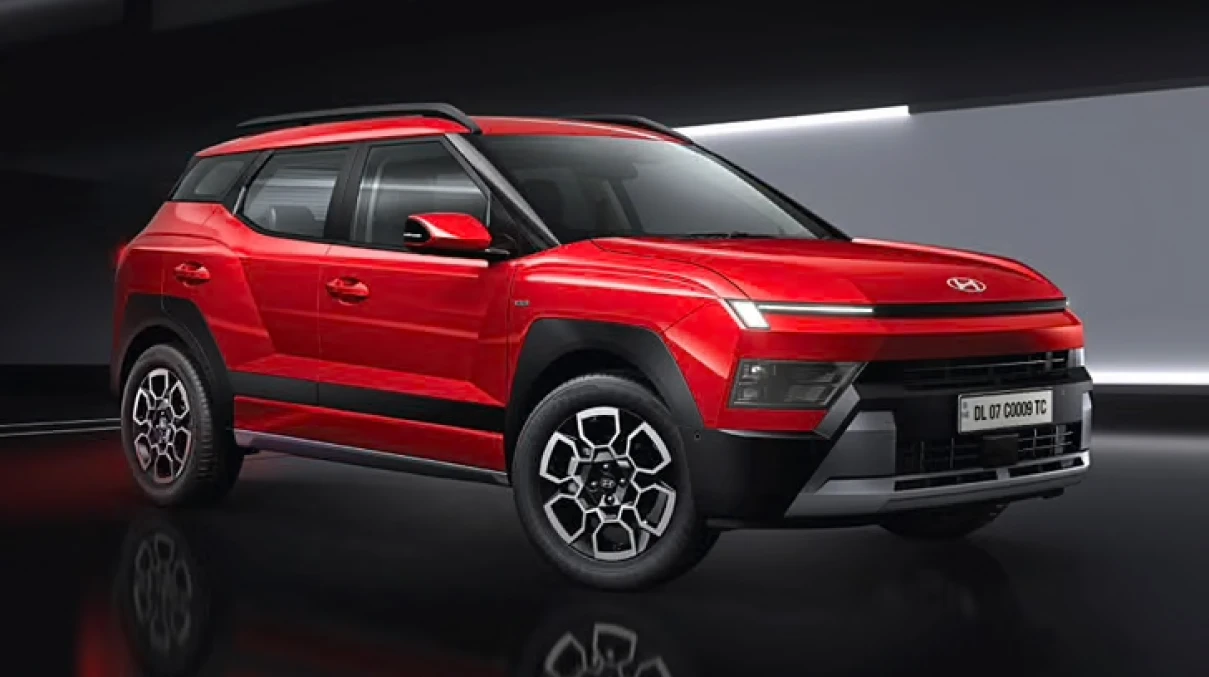
The Indian SUV market has another major contender with the launch of the Hyundai Bayon at an introductory starting price of ₹9.99 lakh. Positioned between the Venue and Creta in Hyundai’s lineup, the Bayon brings a combination of a naturally aspirated petrol engine, a relatively compact exterior, a large claimed boot capacity and an extensive list of technology features.
However, the Bayon is entering a crowded market. Buyers can also consider the Renault Duster, Hyundai Creta, Kia Seltos, Tata Sierra and Maruti Suzuki Victoris. Each SUV approaches the same broad buying decision differently: some prioritise performance, others offer hybrid or CNG options, while several focus on cabin technology, comfort or everyday practicality.
The Bayon’s most interesting proposition is its combination of a ₹9.99 lakh entry price, a 115 PS petrol engine, 205mm ground clearance and 505 litres of claimed boot space. Its top variant also brings features such as a generative AI voice assistant, dual 12.3-inch displays and Level 2 Pro ADAS.
But does it offer a better overall package than its rivals? We compare these six SUVs across pricing, dimensions, engine performance, transmission choices, practicality, features, safety and ownership considerations to help buyers decide which one makes the most sense.
Hyundai Bayon vs Rivals: Price Comparison
Price is one of the Bayon’s biggest talking points. Its introductory starting price of ₹9.99 lakh makes it an accessible entry into the midsize SUV category, while the top-spec version is priced at ₹17.99 lakh.
The competition has a wider spread of powertrains and equipment. The Duster offers turbo-petrol and strong-hybrid options, the Creta and Seltos have petrol and diesel choices, the Sierra offers naturally aspirated and turbo-petrol engines, and the Victoris is available with petrol, CNG and strong-hybrid powertrains.
SUV Price Comparison
| SUV | Approximate ex-showroom price range | Powertrain options |
|---|---|---|
| Hyundai Bayon | ₹9.99–17.99 lakh | Naturally aspirated petrol; CNG planned |
| Renault Duster | ₹10.49–19.49 lakh | Turbo-petrol and strong hybrid |
| Hyundai Creta | ₹10.91–20.14 lakh | Petrol, turbo-petrol and diesel |
| Kia Seltos | ₹10.99–21.57 lakh | Petrol, turbo-petrol and diesel |
| Tata Sierra | ₹11.49–21.59 lakh | Naturally aspirated petrol and turbo-petrol |
| Maruti Suzuki Victoris | ₹10.49–19.99 lakh | Petrol, CNG and strong hybrid |
Prices are indicative ex-showroom figures based on published price information available around October 2026. Variant availability, introductory offers and prices may change. Check the manufacturer’s latest price list before booking.
Which SUV Is the Most Affordable?
The Hyundai Bayon has the lowest starting price among these six SUVs, narrowly undercutting the Renault Duster’s entry-level price and the Maruti Suzuki Victoris.
The difference becomes more interesting at the upper end. The Bayon’s top variant costs less than the highest-priced versions of the Creta, Seltos and Sierra. This gives Hyundai an opportunity to attract buyers who want premium equipment without moving into the upper end of the ₹20 lakh price bracket.
However, the entry-level prices do not tell the whole story. The Bayon’s base variant uses a naturally aspirated petrol engine and a manual gearbox. Buyers looking for a diesel, turbo-petrol or hybrid powertrain will need to consider alternatives.
The Duster’s strong-hybrid variants, for example, target customers who prioritise electrified driving. The Victoris offers both CNG and strong-hybrid choices, while the Creta and Seltos offer diesel options for buyers who cover long distances.
Price verdict: The Bayon is the strongest starting-price proposition, but the best value depends on the engine, transmission and features a buyer actually needs.
Hyundai Bayon vs Rivals: Dimensions Compared
Exterior dimensions influence more than just road presence. Length and wheelbase affect packaging, width can influence cabin space, and ground clearance matters when negotiating uneven roads or large speed breakers.
The Bayon takes a different approach from some of its larger competitors. It is shorter than all five rivals in this comparison, but it is relatively wide and has a claimed 505-litre boot.
Dimensions Comparison Table
| Dimension | Hyundai Bayon | Renault Duster | Hyundai Creta | Kia Seltos | Tata Sierra | Maruti Victoris |
|---|---|---|---|---|---|---|
| Length | 4,245mm | 4,346mm | 4,330mm | 4,460mm | 4,340mm | 4,360mm |
| Width | 1,810mm | 1,815mm | 1,790mm | 1,830mm | 1,841mm | 1,795mm |
| Height | 1,605mm | 1,703mm | 1,635mm | 1,635mm | 1,715mm | 1,655mm |
| Wheelbase | 2,600mm | 2,657mm | 2,610mm | 2,690mm | 2,730mm | 2,600mm |
| Ground clearance | 205mm | 212mm | 190mm | 200mm | 205mm | 210mm |
| Boot space | 505 litres | 518 litres* | 433 litres | 447 litres | 450 litres | 446 litres |
| Wheel size | 16–17 inches | Up to 18 inches | Up to 18 inches | Up to 18 inches | Up to 19 inches | 17 inches |
Dimensions and equipment vary by model and variant. Duster boot-space figures can differ by measurement method and specification; confirm the exact figure against the relevant official brochure. Bayon dimensions are quoted with roof rails where applicable.
Hyundai Bayon: The Shortest SUV in This Comparison
At 4,245mm, the Bayon is the shortest vehicle in this group. It is 85mm shorter than the Creta, 95mm shorter than the Sierra and 215mm shorter than the Seltos.
That compact footprint could be useful in urban areas, particularly when parking in tight spaces or navigating narrow streets. It also gives the Bayon a clear positioning between smaller SUVs and the larger midsize options.
The trade-off is that exterior length alone cannot establish how spacious a vehicle feels inside. Seat design, dashboard packaging, floor height and the distance between the front and rear seats all influence passenger comfort.
The Bayon’s 2,600mm wheelbase matches the Victoris and is close to the Creta’s 2,610mm. However, the Sierra and Seltos have longer wheelbases, which could offer packaging advantages depending on how their interiors are designed.
Which SUV Is the Widest?
The Tata Sierra leads this group with a reported width of 1,841mm, followed by the Kia Seltos at 1,830mm.
The Bayon is third at 1,810mm, making it wider than the Creta and Victoris. This gives it a relatively broad stance despite its shorter length.
Actual cabin width and rear-seat comfort should still be assessed in person. A wider body does not automatically guarantee more usable passenger space, particularly if the interior trim and door panels occupy more room.
Ground Clearance: Bayon vs Rivals
The Renault Duster has the highest listed ground clearance at 212mm. The Victoris follows at 210mm, while the Bayon and Sierra are listed at 205mm.
The Creta has the lowest figure in this comparison at 190mm.
For Indian driving conditions, ground clearance can be useful when dealing with tall speed breakers, broken surfaces and uneven roads. However, tyre size, suspension travel, vehicle load and approach and departure angles also influence how confidently an SUV handles rough patches.
The Duster’s ground clearance and SUV-oriented proportions give it an advantage for buyers who regularly encounter poor roads. The Bayon’s 205mm figure is nevertheless competitive on paper.
Boot Space: Is the Bayon the Most Practical?
Hyundai claims 505 litres of boot space for the Bayon. That is a strong figure for a vehicle of its exterior length.
The Sierra is listed at 450 litres, the Seltos at 447 litres, the Victoris at 446 litres and the Creta at 433 litres. The Duster’s reported capacity varies depending on the specification and measurement method used.
For families who travel with large suitcases, shopping bags or weekend luggage, the Bayon’s boot could be an important advantage. It also demonstrates why a shorter vehicle should not automatically be dismissed as less practical.
Nevertheless, boot volume does not reveal the shape of the luggage compartment, loading height or how easily bulky items fit. Buyers should check these details before deciding.
Dimensions verdict: The Bayon is attractive for buyers who want a relatively compact SUV with a large boot. The Duster is more suited to those prioritising ground clearance, while the Seltos and Sierra offer larger exterior footprints.
Hyundai Bayon vs Rivals: Engine and Performance
Powertrain choice is one of the most significant differences between these SUVs.
The Bayon uses a single 1.5-litre naturally aspirated petrol engine. The Creta and Seltos offer naturally aspirated petrol versions with similar output, but both also provide more powerful turbo-petrol and diesel options.
The Duster has a stronger turbo-petrol engine and a strong-hybrid option. The Sierra offers naturally aspirated and turbo-petrol engines, while the Victoris has petrol, CNG and strong-hybrid versions.
Engine Specifications Comparison
| SUV | Engine / powertrain | Maximum power | Maximum torque | Transmission options |
|---|---|---|---|---|
| Hyundai Bayon | 1.5-litre naturally aspirated petrol | 115 PS | 143.8 Nm | 6-speed manual, iVT |
| Renault Duster | 1.0-litre turbo-petrol | 100 PS | 160 Nm | 6-speed manual |
| Renault Duster | 1.3-litre turbo-petrol | 163 PS | 280 Nm | 6-speed manual, DCT |
| Renault Duster | 1.8-litre strong hybrid | Combined output varies by specification | Varies by specification | Hybrid automatic |
| Hyundai Creta | 1.5-litre naturally aspirated petrol | 115 PS | 144 Nm | 6-speed manual, IVT |
| Hyundai Creta | 1.5-litre turbo-petrol | 160 PS | 253 Nm | 7-speed DCT |
| Hyundai Creta | 1.5-litre diesel | 116 PS | 250 Nm | Manual, automatic |
| Kia Seltos | 1.5-litre naturally aspirated petrol | 115 PS | 144 Nm | 6-speed manual, IVT |
| Kia Seltos | 1.5-litre turbo-petrol | 160 PS | 253 Nm | Manual/iMT or DCT, depending on variant |
| Kia Seltos | 1.5-litre diesel | 116 PS | 250 Nm | Manual, automatic |
| Tata Sierra | 1.5-litre naturally aspirated petrol | 106 PS | 145 Nm | 6-speed manual, 7-speed DCT as offered |
| Tata Sierra | 1.5-litre turbo-petrol | 160 PS | 255 Nm | Transmission depends on variant |
| Maruti Suzuki Victoris | 1.5-litre naturally aspirated petrol | 103 PS | 139 Nm | 5-speed manual, 6-speed automatic |
| Maruti Suzuki Victoris | 1.5-litre strong hybrid | Around 116 PS system output | System specification varies | Hybrid automatic |
| Maruti Suzuki Victoris | 1.5-litre petrol-CNG | Output varies by fuel mode | Varies by fuel mode | Manual |
Powertrain specifications are based on published model information and can vary by model year, fuel type and variant. Hybrid system output is not directly comparable with an engine’s standalone output.
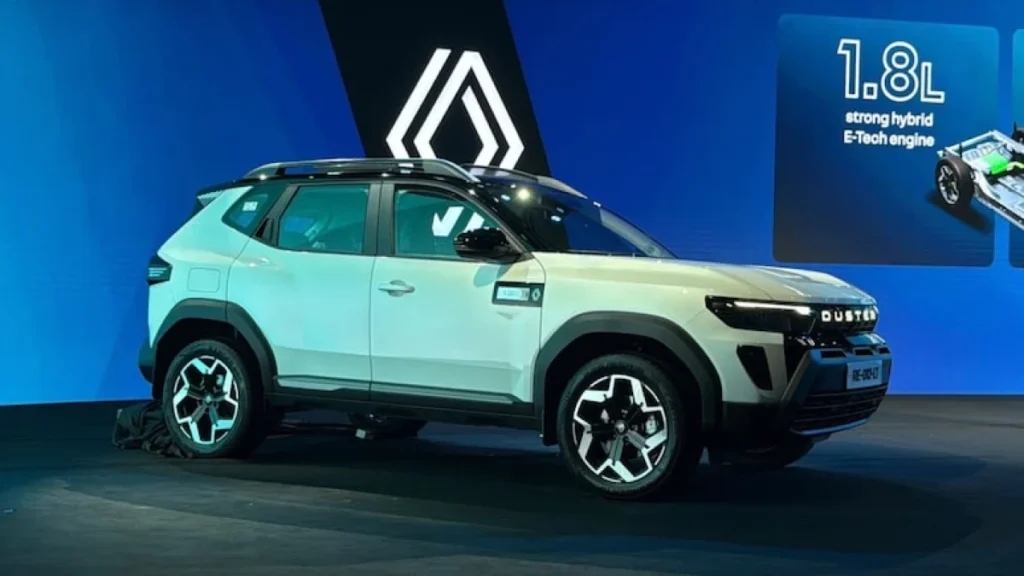
Hyundai Bayon vs Renault Duster: Which Is More Powerful?
The Renault Duster’s 1.3-litre turbo-petrol engine produces up to 163 PS and 280 Nm. That gives it a substantial numerical advantage over the Bayon’s 115 PS and 143.8 Nm.
The difference is especially relevant for buyers who frequently travel on highways, carry several passengers or want stronger acceleration during overtaking.
Turbocharged engines can deliver stronger torque at lower engine speeds, depending on the engine and gearbox calibration. The Bayon’s naturally aspirated engine follows a different approach, delivering its performance without a turbocharger.
The Duster also has a strong-hybrid option for buyers interested in electrified driving. Its wider powertrain range gives it more flexibility for different driving requirements.
Performance winner on paper: Renault Duster, particularly in its 1.3-litre turbo-petrol form.

Hyundai Bayon vs Creta: Similar Petrol Performance
The Bayon and Creta share a familiar engine configuration: a 1.5-litre naturally aspirated petrol engine producing approximately 115 PS and 144 Nm.
That means their naturally aspirated petrol versions have very similar headline power and torque figures. Buyers should therefore look beyond the engine numbers when deciding between them.
The Creta offers additional turbo-petrol and diesel engines, giving it an advantage for buyers who want stronger performance or a diesel powertrain.
The Bayon, meanwhile, focuses on its technology package, compact dimensions and claimed boot capacity.
For someone comparing the base or mid-level petrol variants, the deciding factors are likely to be pricing, equipment, ride comfort and space rather than a large difference in engine output.
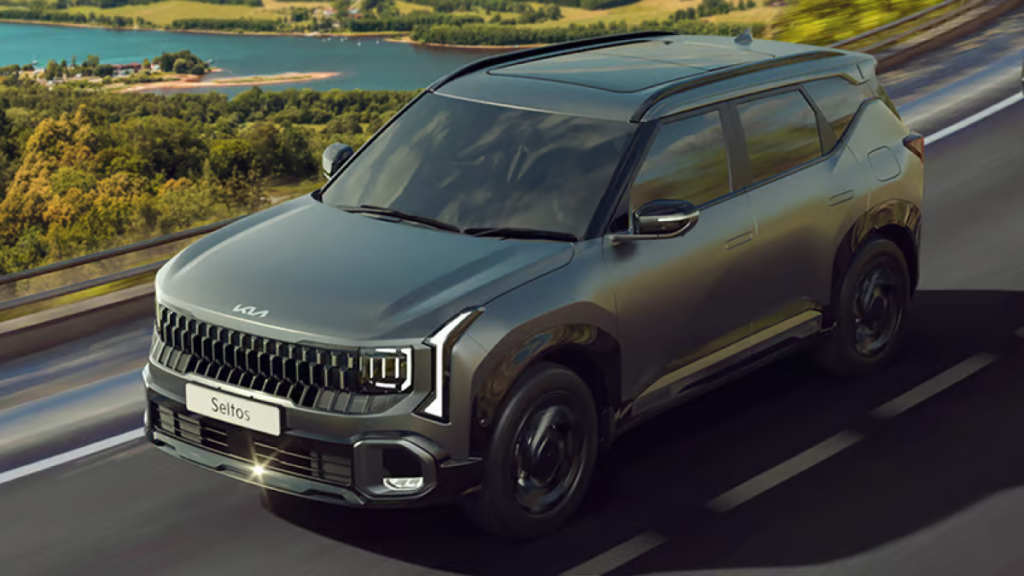
Hyundai Bayon vs Kia Seltos: Same Output, Different Choices
The Seltos’ naturally aspirated 1.5-litre petrol engine produces figures similar to those of the Bayon. Both offer a manual gearbox and a CVT-type automatic transmission in selected variants.
The Seltos adds turbo-petrol and diesel options. These give it a broader range of performance choices, especially for buyers who want more power or prefer diesel for regular long-distance use.
The Seltos is also longer than the Bayon and has a longer wheelbase. Buyers prioritising a larger exterior footprint may prefer it, while the Bayon’s shorter length could be easier to manage in congested areas.

Hyundai Bayon vs Tata Sierra: Turbo-Petrol Advantage
The Sierra’s naturally aspirated petrol engine produces less power than the Bayon’s engine, although its torque figure is slightly higher.
The Sierra’s 1.5-litre turbo-petrol option changes the comparison, producing around 160 PS and 255 Nm. That gives it significantly more output than the Bayon’s naturally aspirated engine.
The Sierra also has a longer wheelbase and a larger body. Buyers looking for stronger turbo-petrol performance and a more substantial exterior footprint may find it more appealing.
The Bayon’s advantage is its lower entry price and the technology available in its higher variants.
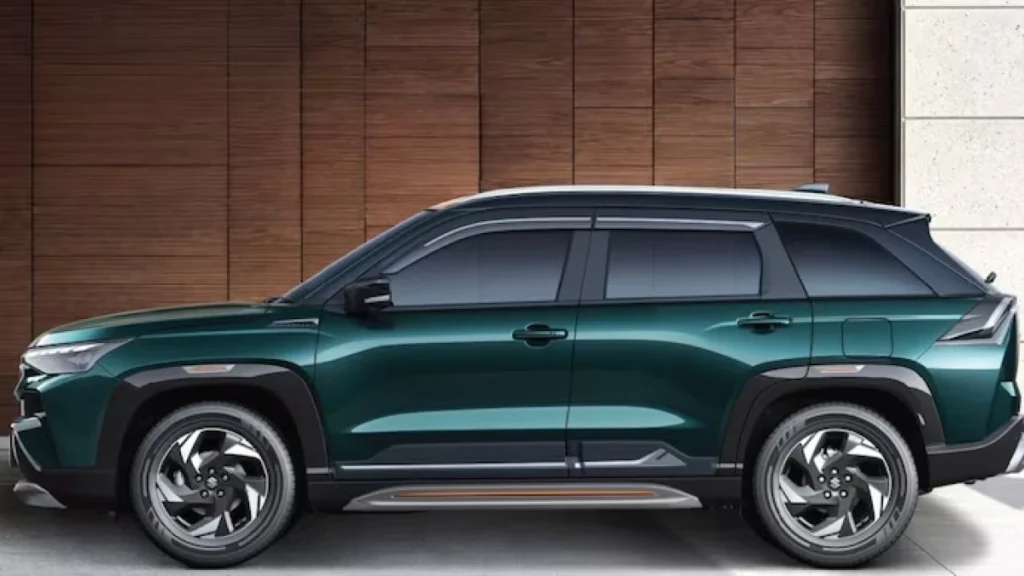
Hyundai Bayon vs Maruti Victoris: Performance or Efficiency?
The Victoris’ naturally aspirated petrol engine produces approximately 103 PS and 139 Nm. On paper, the Bayon has higher power and torque figures.
However, the Victoris offers more variety in its powertrain range. Buyers can choose CNG for running-cost considerations or a strong-hybrid version designed to improve fuel efficiency in everyday driving.
The Victoris also offers all-wheel drive on selected petrol variants, a feature not available on the Bayon.
The better choice depends on whether a buyer prioritises the Bayon’s petrol performance and cabin technology or the Victoris’ broader fuel and drivetrain options.
Engine verdict: The Bayon is competitive against the naturally aspirated petrol versions of the Creta and Seltos. The Duster and Sierra have stronger turbo-petrol options, while the Victoris offers hybrid and CNG alternatives.
Manual vs Automatic: Which SUV Offers More Choice?
The Bayon comes with a six-speed manual gearbox across its range, while the iVT automatic is available on selected higher variants.
Its automatic transmission is designed for convenience in urban traffic. Hyundai also offers paddle shifters, selectable driving modes and Dash Boost Mode with the iVT, depending on the variant.
The rival SUVs provide different alternatives:
- Renault Duster: A six-speed manual and dual-clutch automatic for turbo-petrol variants, along with an automatic hybrid system.
- Hyundai Creta: Manual, IVT, DCT and automatic transmission choices, depending on the engine.
- Kia Seltos: Manual, IVT, iMT, DCT and automatic options across its powertrain range.
- Tata Sierra: Manual and dual-clutch automatic options, depending on the engine and variant.
- Maruti Suzuki Victoris: Manual and automatic petrol options, along with automatic strong-hybrid and manual CNG versions.
Transmission availability varies by engine and trim, so buyers should compare the exact variants they intend to purchase.
For city users, an automatic may be worth the additional cost. For those who drive mostly on open roads and want to minimise the purchase price, a manual version could be more suitable.
Hyundai Bayon vs Rivals: Mileage and Running Costs
Fuel efficiency is an important part of the buying decision, but a fair comparison requires figures measured under comparable conditions.
The Bayon’s 1.5-litre naturally aspirated petrol engine is paired with a manual or iVT automatic. Hyundai has positioned it around everyday usability and efficiency, while the Duster, Creta, Seltos, Sierra and Victoris offer different engine and fuel options.
Which Powertrain Is Better for Running Costs?
| Buyer priority | SUV or powertrain to consider | Why it may suit you |
|---|---|---|
| Conventional petrol ownership | Hyundai Bayon | Straightforward naturally aspirated petrol setup |
| Strong turbo-petrol performance | Renault Duster or Tata Sierra | Higher-output turbo-petrol options |
| Petrol with diesel alternative | Hyundai Creta or Kia Seltos | Multiple engine choices |
| CNG running costs | Maruti Suzuki Victoris | Factory CNG option |
| Strong-hybrid efficiency | Maruti Suzuki Victoris or Renault Duster | Hybrid powertrains designed to reduce petrol consumption |
| Petrol automatic for urban driving | Hyundai Bayon, Creta or Seltos | Automatic options available on selected variants |
The Victoris and Duster have a clear advantage in powertrain variety because they offer strong-hybrid options. The Victoris also has a factory CNG configuration.
Hyundai has indicated that a CNG version of the Bayon is planned. Until it becomes available and its specifications are published, buyers should compare the Bayon as a petrol-only purchase.
Is a Hybrid Always Cheaper to Run?
Not necessarily. A strong hybrid can reduce petrol consumption, particularly in conditions where electric assistance is used frequently. However, the actual savings depend on annual distance, traffic, driving style, fuel prices and the difference in purchase price.
For buyers who drive relatively few kilometres each year, the higher upfront cost of a hybrid may take longer to recover through fuel savings.
CNG can also reduce fuel expenditure per kilometre, but the calculation depends on local fuel prices, annual usage and the convenience of refuelling.
Before choosing a vehicle solely on mileage claims, compare the official figures for the exact variants and estimate your expected annual running costs.
Features and Technology: Does the Bayon Have an Advantage?
Technology is one of the Bayon’s main selling points. Hyundai has introduced a high-end digital cockpit, connected services, a generative AI voice assistant and Level 2 Pro ADAS on the top variant.
That equipment helps the Bayon stand out, but the competition is not short of technology either.
Technology Comparison
| Feature | Hyundai Bayon | Renault Duster | Hyundai Creta | Kia Seltos | Tata Sierra | Maruti Victoris |
|---|---|---|---|---|---|---|
| Large touchscreen | Available by variant | Available by variant | Available by variant | Available by variant | Available by variant | Available by variant |
| Digital instrument display | Available | Available | Available | Available | Available | Available |
| Connected-car technology | Hyundai Bluelink | Connected services | Hyundai Bluelink | Kia Connect | Connected features vary by trim | Suzuki Connect |
| Generative AI voice assistant | Announced for top variant | Not listed as a comparable feature | Not listed as a comparable feature | Not listed as a comparable feature | Check exact variant | Not listed as a comparable feature |
| Dual 12.3-inch displays | Available on top variant | Different display configuration | Equipment varies by variant | Large dual-display configurations on selected trims | Equipment varies by variant | Digital cluster and infotainment vary by trim |
| Premium audio | Bose system on top variant | Equipment varies by trim | Equipment varies by trim | Bose system on selected trims | Equipment varies by trim | Infinity audio on selected trims |
| Level 2 ADAS | 23 functions on equipped variant | Driver-assistance features vary by trim | Available on selected variants | Available on selected variants | Availability depends on variant | Available on selected variants |
| Over-the-air updates | Supported for selected vehicle controllers | Depends on system and trim | Connected services vary by model | Available on selected trims | Check official specification | Connected features vary by trim |
This table is a high-level feature comparison, not a claim that every listed feature is standard. Availability differs by variant, model year and transmission.
Hyundai Bayon’s Dual Displays and AI Assistant
The Bayon’s top variant features dual 12.3-inch curved displays for the instrument cluster and infotainment system. Hyundai has also introduced a generative AI voice assistant using intelligence from Perplexity and voice AI powered by SoundHound AI.
The system is designed to support natural-language interaction and provide information related to travel, weather, restaurants and other topics.
Hyundai also lists more than 70 Bluelink connected features and over-the-air updates for supported vehicle controllers.
These technologies could appeal to buyers who want a connected cabin and advanced voice interaction. However, their usefulness depends on how reliably they operate in everyday driving and how well they integrate with the driver’s routine.
How Do the Rivals Compare?
The Creta and Seltos have established technology packages, with higher variants offering premium audio, connected services, digital displays and driver-assistance features.
The Sierra’s equipment varies by trim, while the Duster focuses on its own combination of infotainment, connected services and driver assistance.
The Victoris offers a broad feature list, including a digital instrument display, connected services and selected premium convenience equipment.
The Bayon’s differentiator is the combination of its AI assistant, dual 12.3-inch displays and 23-function Level 2 Pro ADAS package on the equipped top variant.
Technology verdict: The Bayon is a strong choice for buyers who value connected features and an AI-enabled cabin. Buyers should compare the exact variants, because a feature-rich top trim can cost substantially more than the entry-level price suggests.
Safety Comparison: Bayon vs Duster, Creta, Seltos, Sierra and Victoris
Safety should be considered separately from infotainment and comfort features. Buyers should look at standard equipment, active safety technology, body structure and independently published crash-test results.
Hyundai says the Bayon has more than 35 safety features as standard across the range, including six airbags, Electronic Stability Control, Hill-Start Assist Control and a Tyre Pressure Monitoring System. The company also says the SUV has been engineered for five-star Indian safety standards.
That engineering statement should not be confused with an independently awarded crash-test rating.
Safety Features at a Glance
| Safety aspect | Hyundai Bayon | What buyers should check on rivals |
|---|---|---|
| Six airbags | Announced as standard | Confirm the standard equipment list |
| Electronic Stability Control | Announced as standard | Check availability across all variants |
| Hill-Start Assist | Announced as standard | Check standard availability |
| Tyre Pressure Monitoring System | Announced as standard | Confirm system type and variant |
| Level 2 ADAS | 23 functions on equipped top variant | Compare exact functions and trims |
| 360-degree camera | Available on top variant | Availability varies by trim |
| Blind-spot monitoring/view | Available on equipped variant | Check whether camera-based or warning-based |
| Independent crash-test rating | Do not assume a rating without a published result | Check the relevant tested model and rating protocol |
The Duster, Creta, Seltos, Sierra and Victoris also offer safety equipment that varies by variant. A meaningful comparison requires checking the exact models and trims rather than assuming the top-spec equipment is available throughout the range.
ADAS packages are not identical simply because they share the same level designation. The number of functions, operating conditions, sensors and intervention behaviour can differ.
Buyers should also consider how well the driver-assistance systems work in Indian traffic and whether the warnings and interventions are comfortable for their driving style.
Safety verdict: The Bayon’s standard safety equipment and available ADAS package make it worth considering. Before choosing any SUV, verify the exact variant’s safety kit and look for independently published crash-test results for the relevant model.
Comfort and Cabin Practicality
The six SUVs have different strengths when it comes to passenger comfort.
The Bayon combines its relatively compact exterior with a 2,600mm wheelbase and a claimed 505-litre boot. Higher variants offer features such as ventilated front seats, an eight-way power-adjustable driver’s seat, a panoramic sunroof, rear-seat armrests and 60:40 split rear seats.
The Creta and Seltos have established positions in the segment, with equipment such as ventilated seats, sunroofs and powered-seat functions on selected variants.
The Duster has an upright SUV design and higher ground clearance, while the Sierra has a longer wheelbase than the Bayon. The Victoris offers a family-focused package with a choice of fuel types.
Which Is Best for Families?
For a family that frequently travels with luggage, boot space and rear-seat comfort may matter more than engine output.
The Bayon’s claimed 505-litre boot is a strong figure, but buyers should test the rear seat for legroom, headroom and ease of entry. A longer vehicle does not automatically have a better cabin, but the Duster, Seltos and Sierra have larger exterior dimensions that may appeal to buyers who want a more substantial vehicle.
The Bayon’s shorter body could be useful for city use. The Victoris may attract buyers who value its hybrid or CNG options, while the Creta and Seltos offer a broader choice of engines and trims.
A family should ideally test all intended passengers in the vehicle before booking, especially if adults regularly sit in the rear.
Design and Road Presence
The Bayon uses Hyundai’s Art of Steel design language, with angular body panels, sculpted surfaces, H-Edge lighting signatures and pronounced wheel arches.
Its shorter length gives it a different road presence from the Seltos and Sierra. It looks more compact on paper, although styling details such as the roof rails, alloy wheels and chunky cladding help reinforce its SUV identity.
The Renault Duster follows a more rugged design direction, with upright proportions and a strong emphasis on SUV character. The Creta balances family-oriented styling with a modern front and rear design, while the Seltos has a longer body and a more assertive stance.
The Sierra uses a distinctive design and a larger footprint, while the Victoris has a practical SUV shape aimed at a broad family audience.
Design remains subjective. Buyers should view the vehicles in person and consider visibility, parking ease, door opening angles and rear-window visibility in addition to styling.
Ownership and Long-Term Running Costs
The initial purchase price is only one part of the ownership equation. Buyers should also consider fuel consumption, servicing, warranty, insurance, tyres, depreciation and the availability of service centres.
Hyundai has a large presence in India, which can be reassuring for buyers concerned about routine servicing and parts availability. The Creta also benefits from an established position in the market.
The Seltos is supported by Kia’s dealer network and a wide model range. Maruti Suzuki has a broad service footprint, while the Victoris’ CNG and hybrid options may suit buyers who prioritise running costs.
The Duster’s appeal includes its turbo-petrol and hybrid options, but buyers should compare the service schedule and warranty for the exact powertrain. The Sierra’s ownership costs should be evaluated using the final variant, service plan and warranty details.
No single SUV can be declared the cheapest to own without knowing the buyer’s annual distance, fuel type, city, insurance quotation and expected ownership period.
What to Compare Before Booking
- Ex-showroom and on-road price in your city
- Insurance and registration charges
- Warranty duration and distance limits
- Scheduled service costs
- Fuel efficiency under your driving conditions
- Tyre replacement cost
- Availability of service centres near your home
- Expected resale value
- Cost difference between manual and automatic variants
- Hybrid or CNG savings, where applicable
A lower starting price may not deliver the lowest long-term cost if the chosen variant lacks a feature you later need or if your annual running costs are significantly higher.
Hyundai Bayon vs Rivals: Which SUV Should You Buy?
The right choice depends on what you expect from your next SUV. The Bayon is not trying to win every category through size or engine output. Its appeal is the combination of entry pricing, a naturally aspirated petrol engine, technology and packaging.
Choose the Hyundai Bayon If…
The Bayon is worth considering if you want a relatively compact SUV with a 115 PS petrol engine, a choice of manual and iVT automatic transmissions, and a strong technology package on higher variants.
Its claimed 505-litre boot is a useful practical highlight. The top variant’s AI voice assistant, dual displays and Level 2 Pro ADAS may appeal to buyers who value technology.
The main compromise is the lack of a turbo-petrol, diesel or currently available hybrid powertrain.
Choose the Renault Duster If…
The Duster is the stronger candidate if you want higher ground clearance, a rugged SUV character or a more powerful turbo-petrol engine.
Its 1.3-litre turbo-petrol option produces substantially more power and torque than the Bayon’s naturally aspirated engine. The strong-hybrid version also gives buyers an electrified alternative.
The Duster is longer and taller than the Bayon, making it worth considering for buyers who prioritise SUV proportions and powertrain variety.
Choose the Hyundai Creta If…
The Creta makes sense if you want a familiar midsize SUV with multiple engine options and a broad selection of variants.
Its naturally aspirated petrol engine has output similar to the Bayon’s, but the Creta also offers turbo-petrol and diesel options. Buyers who want stronger performance or diesel efficiency have more choice.
The Creta is also a sensible comparison for buyers who want to stay with Hyundai but prefer a larger, established SUV.
Choose the Kia Seltos If…
The Seltos is worth considering if you want a longer SUV with multiple petrol and diesel powertrains.
Its naturally aspirated petrol engine is similar in output to the Bayon’s, while its turbo-petrol and diesel versions offer different performance characteristics.
The Seltos has a longer wheelbase and a wider body. Buyers should compare the exact variants for features, price and cabin comfort rather than judging only by the entry-level price.
Choose the Tata Sierra If…
The Sierra deserves attention if you want a larger SUV with a longer wheelbase and the choice of naturally aspirated and turbo-petrol engines.
Its turbo-petrol option offers substantially more power than the Bayon’s naturally aspirated engine. The Sierra also has a larger exterior footprint, which may appeal to buyers looking for a more substantial vehicle.
The Bayon counters with a lower starting price and a technology-rich top variant.
Choose the Maruti Suzuki Victoris If…
The Victoris is particularly relevant if you want more powertrain flexibility.
Its petrol, CNG and strong-hybrid options allow buyers to choose according to their running costs and driving patterns. Selected petrol variants also offer all-wheel drive.
The Bayon has higher output than the Victoris’ naturally aspirated petrol engine, but the Victoris’ alternative fuel choices could matter more to buyers who cover high annual distances.
Final Verdict: Is the Hyundai Bayon Better Than Its Rivals?
The Hyundai Bayon enters the market with a clear proposition: an introductory starting price of ₹9.99 lakh, a 115 PS naturally aspirated petrol engine, a compact exterior and a claimed 505-litre boot.
It is also strong on technology. The top variant offers a generative AI voice assistant, dual 12.3-inch displays, a premium Bose audio system and Level 2 Pro ADAS with 23 functions.
However, it does not offer the widest powertrain selection. Buyers looking for a turbo-petrol engine can consider the Duster, Creta, Seltos or Sierra. Those interested in a strong hybrid or factory CNG option have the Duster or Victoris to consider, depending on the fuel system they prefer.
The Bayon’s strongest argument is its combination of technology and compact dimensions at a relatively accessible entry price. Its boot capacity is another notable advantage, although buyers should check the actual luggage area and rear-seat comfort in person.
There is no single winner for every buyer. The Duster stands out for turbo-petrol performance and ground clearance, the Creta and Seltos offer a broader range of powertrains, the Sierra provides a larger footprint and turbo-petrol option, and the Victoris offers hybrid and CNG choices.
For buyers who primarily want a petrol SUV with modern technology, useful practicality and an entry price below ₹10 lakh, the Hyundai Bayon deserves a place on the shortlist. The final decision should come down to the variant price, equipment, test-drive experience and long-term running costs.
FAQ’s
What is the price of the Hyundai Bayon in India?
The Hyundai Bayon was launched at an introductory starting price of ₹9.99 lakh. The top variant is priced at ₹17.99 lakh, ex-showroom.
Which SUV is the closest rival to the Hyundai Bayon?
The Hyundai Creta and Kia Seltos are direct alternatives for buyers considering a naturally aspirated petrol SUV with manual and automatic options. The Renault Duster, Tata Sierra and Maruti Suzuki Victoris offer different advantages in performance, powertrain choice or practicality.
Is the Hyundai Bayon more powerful than the Creta?
Both use a 1.5-litre naturally aspirated petrol engine producing approximately 115 PS and 144 Nm. The Creta also offers turbo-petrol and diesel engines that are not available in the Bayon’s current launch lineup.
Which SUV has the highest ground clearance in this comparison?
The Renault Duster has the highest listed ground clearance at approximately 212mm. The Victoris is listed at 210mm, while the Bayon and Sierra are listed at 205mm.
Which SUV has the largest boot?
The Bayon has a claimed 505-litre boot. The Duster’s reported boot capacity varies depending on specification and measurement method, so buyers should verify the exact figure for the variant being considered.
Does the Hyundai Bayon offer a diesel engine?
No diesel engine has been announced for the Bayon’s current Indian launch lineup. It is currently offered with a 1.5-litre naturally aspirated petrol engine, while a CNG version is planned.
Does the Hyundai Bayon have a hybrid version?
A hybrid powertrain has not been announced for the Bayon. Buyers seeking a strong-hybrid SUV can consider the Renault Duster or Maruti Suzuki Victoris.
Which SUV is best for long-distance driving?
The best choice depends on your driving pattern. The Duster, Creta and Seltos offer more powerful engine choices, including turbo-petrol or diesel options. The Victoris offers a strong-hybrid option. Buyers should compare ride comfort, seat support, fuel costs and the specific variant before deciding.
Which SUV is best for city driving?
The Bayon’s shorter length may make it easier to manoeuvre and park in congested areas. The Creta, Seltos and Victoris are also worth considering, particularly in automatic variants. A test drive in your usual driving environment is the best way to judge which suits you.
Is the Hyundai Bayon worth buying over the Creta?
The Bayon may suit buyers who want a lower starting price, a compact footprint and advanced technology. The Creta offers a broader powertrain range, including turbo-petrol and diesel options. The better choice depends on your budget, preferred engine, variant and space requirements.

1 Comment
Pingback: Jeep Compass Sport Diesel AT Launched at ₹21.99 Lakh