


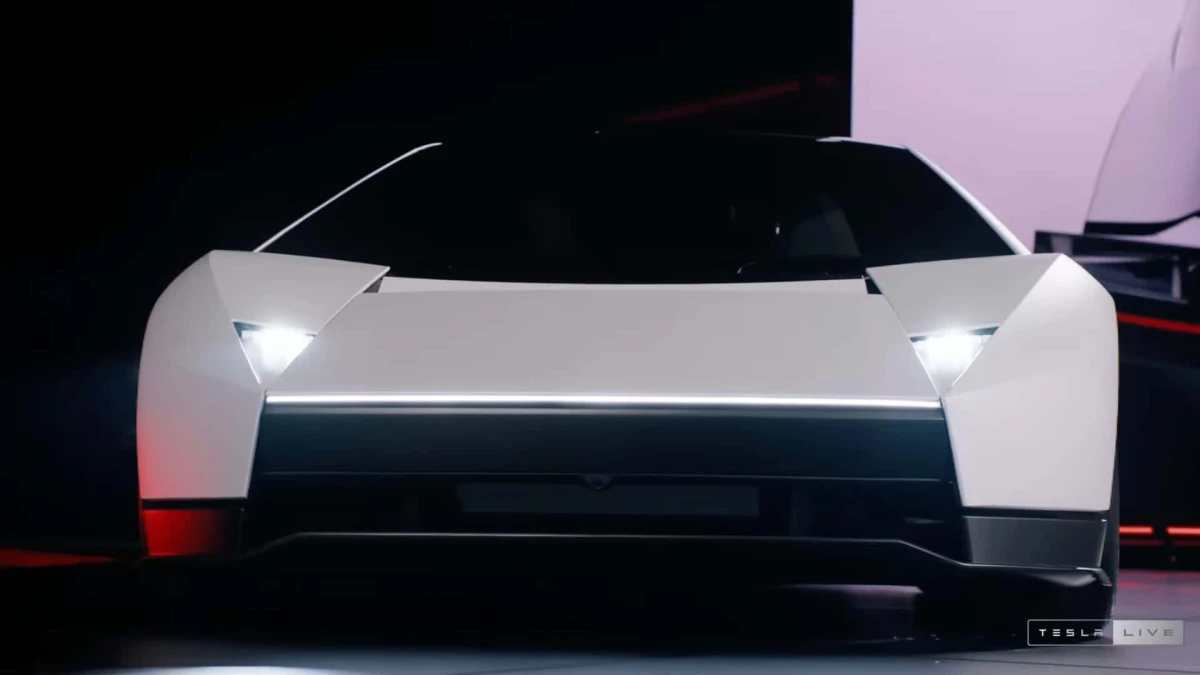
Electric vehicle pioneer Tesla has officially unveiled a pre-production prototype of its long-awaited, next-generation Tesla Roadster, demonstrating a unprecedented capability in automotive engineering: executing controlled airborne maneuvers using SpaceX-developed cold-air thrusters.
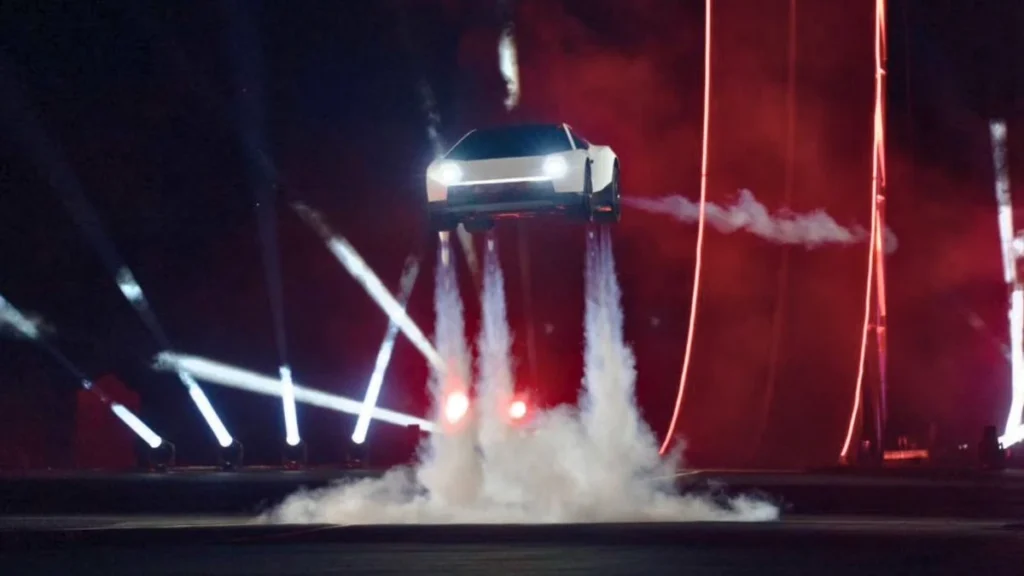
Demonstrated at a SpaceX test facility in Texas, the hypercar launched vertically off the ground, adjusted its attitude mid-air, and performed a controlled touchdown. Positioned as Tesla’s halo performance project, the revised Roadster blends high-downforce ground aerodynamics with aerospace propulsion technology. Below is a comprehensive breakdown of the technology, performance targets, variant configurations, and global reservation details.
1. Variant Hierarchy: Performance, Thrust, and Rocket Packages
Tesla has structured the next-generation Roadster project across three distinct hardware tiers. While the base variant relies on ground-effect fan suction technology, upper-tier packages integrate high-pressure air thruster systems.
| Variant / Package Tier | Aerodynamic & Propulsion Hardware | Primary Functional Goal |
| Roadster Performance | Standard tri-motor electric powertrain paired with an underbody suction fan | Generates up to 2G of continuous aerodynamic downforce for cornering grip |
| Roadster Thrust | Adds mid-pressure cold-air thruster nozzle arrays around the chassis | Provides instantaneous directional stability and accelerated launch torque |
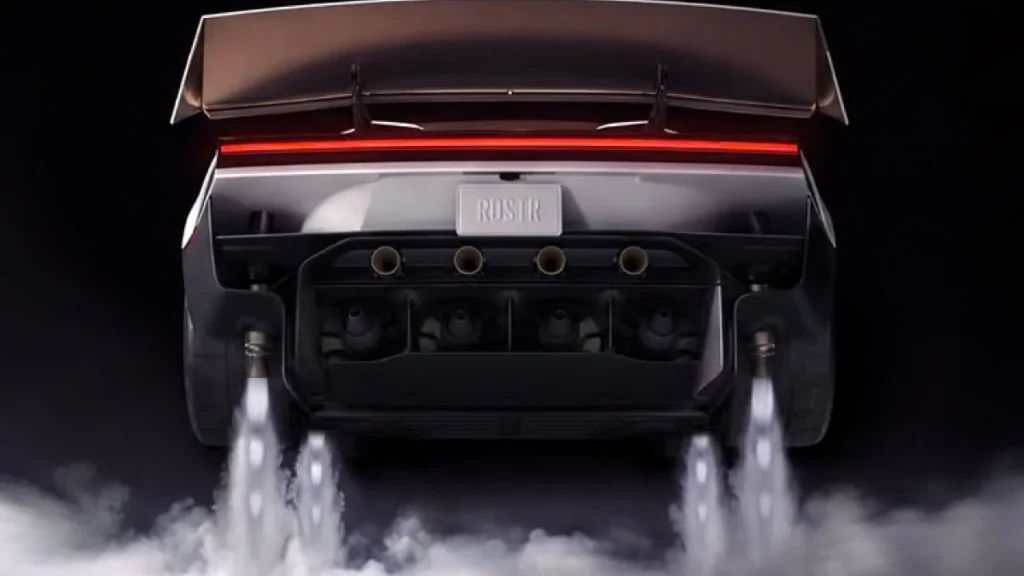
| Roadster Rocket | Full SpaceX thruster integration with composite ultra-high-pressure air tanks | Enables short-duration controlled airborne hops and sub-one-second acceleration |
Note: The airborne maneuver demonstrated in Texas was performed specifically by a pre-production prototype equipped with the top-tier Rocket package.
2. Technical Performance Targets and Specs
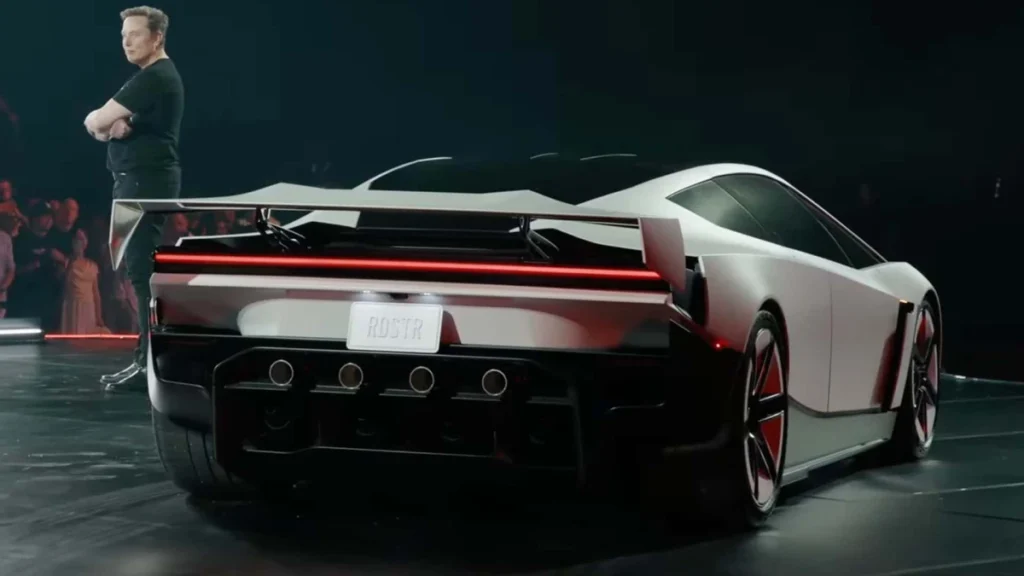
Tesla has published extreme performance targets for the production Roadster. The headline specification centers around a sub-one-second 0–60 mph acceleration sprint, achieved through the combined impulse of electric motor torque and cold-air thruster discharge.
| Specification Parameter | Announced Tesla Roadster Target |
| Vehicle Segment | Ultra-High-Performance All-Electric Sports Car / Halo Coupe |
| Seating Configuration | 2-Seater (Driver & Passenger layout) |
| Drivetrain Layout | All-Wheel Drive (AWD) with multi-motor torque vectoring |
| Claimed 0–60 mph Acceleration | Under 1.0 Second (With Rocket package engaged) |
| Claimed Top Speed | ~230 mph (~370 kph) |
| Underbody Fan Downforce | Up to 2.0G generated static suction force |
| Target Production Start Year | 2028 |
| India Reservation Fee | ₹5 Lakh (For Performance & Thrust packages) |
3. Engineering Mechanics: How Cold-Air Thrusters Function
Unlike conventional cars that rely strictly on mechanical tire traction, or aircraft that depend on fixed wings for aerodynamic lift, the thruster-equipped Roadster uses high-pressure compressed gas to generate instant reaction forces.
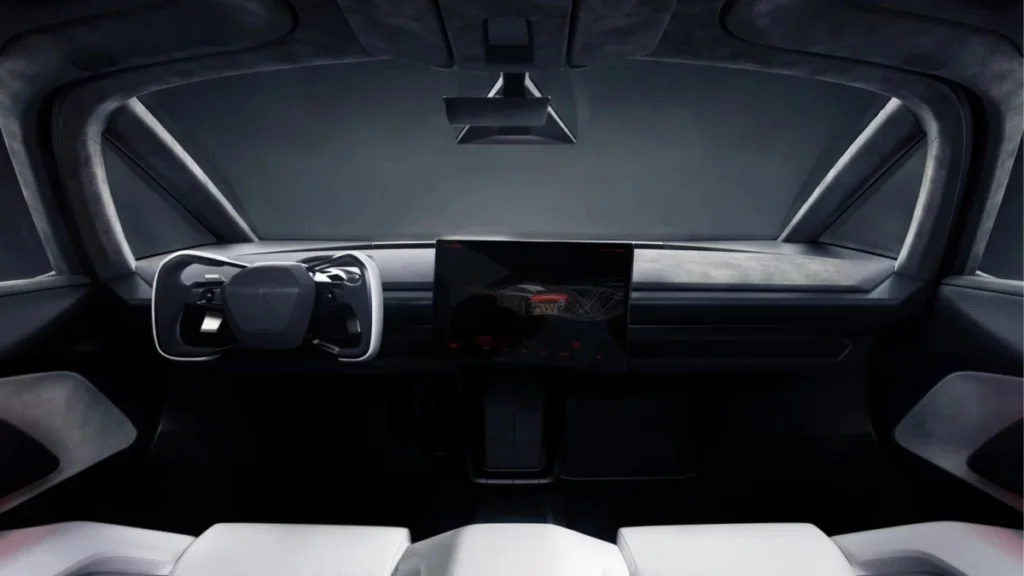
In the Rocket configuration, compressed air is released through specialized nozzles positioned behind the license plate, under the body, and at the corners. During hard acceleration, rear-facing thrusters fire simultaneously to eliminate initial tire slippage, driving the car forward instantly. During aerial demonstrations, downward-facing nozzles provide short bursts of vertical thrust to lift the chassis off the pavement.
4. Legal, Regulatory, and Road-Use Realities
While the SpaceX thruster technology presents a dramatic technical showcase, its application on public roads faces complex legal and safety evaluations across global markets.
Key Regulatory Considerations
- Public Road Homologation: Standard vehicle safety regulations in most countries prohibit external high-pressure gas discharges on public streets due to pedestrian safety and noise pollution concerns.
- Track-Only Usage Modes: Tesla CEO Elon Musk has acknowledged that thruster-assisted vertical hops and maximum thrust launches may be software-locked to designated racetrack coordinates via geofencing.
- Weight and Space Trade-offs: The compressed air storage tanks and high-output electric pumps occupy substantial interior space, restricting the Rocket variant to a strict two-seat configuration without rear cargo space.
5. Global Reservations and Indian Market Booking Status
Tesla has reopened global reservations for the Roadster project as development progresses toward its planned 2028 production timeline.
- India Booking Process: Indian buyers can reserve the Performance and Thrust packages through reported booking deposits of ₹5 lakh.
- Exclusive Rocket Program: The top-spec Rocket package is being offered exclusively through an invite-only program managed directly by Tesla.
- Import & Homologation: Any future deliveries into India will occur via the Completely Built-Up (CBU) import route, subject to applicable customs duties, local road-worthiness certification, and regulatory approvals regarding compressed air hardware.
Final Summary Verdict
The Tesla Roadster with SpaceX cold-air thrusters pushes the boundaries of EV performance beyond traditional tire traction. While the sub-one-second acceleration and short airborne hops showcase impressive cross-industry engineering between Tesla and SpaceX, its real-world road legality, final production metrics, and everyday usability will be fully established when customer deliveries commence in 2028.

1 Comment
Pingback: Mercedes-AMG GT SUV Revealed: Delivers Up To 1,153 HP