


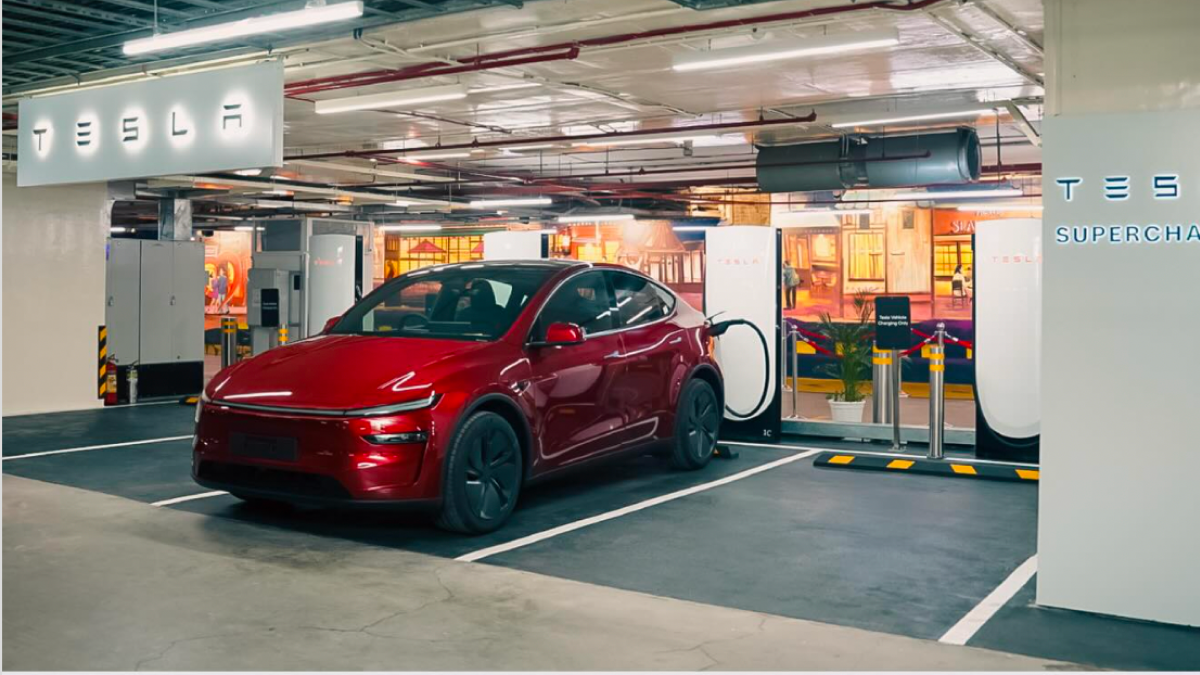
China has officially initiated the largest automotive recall in its history.Approximately 43 lakh vehicles—spanning electric vehicle (EV) pioneers like Tesla and rising domestic giants including Xiaomi, Leapmotor, and Xpeng—are being called back over severe safety concerns surrounding flush-mounted and concealed electronic door handles.
What began as a design movement aimed at sleek styling and aerodynamic efficiency has spiraled into an international safety debate. Chinese regulators warn that in high-impact accidents, occupants and first responders can become trapped inside or locked out when high-tech door systems lose power.
Breakdown of the Affected Automakers
While the recall involves nine separate car manufacturers, Tesla accounts for the vast majority of affected units. Below is an overview of how the 43 lakh vehicles are distributed among key industry players:
| Automaker | Affected Units (Approx.) | Primary Models Involved | Remediation Strategy |
| Tesla | 29.8 Lakh | Model 3, Model Y, Model S, Model X | Warning labels & OTA software update to lower windows post-crash |
| Xiaomi | 3.90 Lakh | SU7 Sedan | Emergency release warning labels & mechanical cover fixes |
| Leapmotor | 3.71 Lakh | C-Series & T-Series Lineup | Warning labels & power-window control software upgrades |
| Xpeng | 2.64 Lakh | P7, G6, and P5 Models | Warning labels & occupant instruction updates |
| Other Brands | ~2.95 Lakh | Models from Geely, Chery, Dongfeng, BAIC, FAW | Mechanical release handle modifications & labeling |
Why Flush Door Handles Present Critical Risks
Over the past decade, automotive designers pushed heavily toward flush door handles. While aesthetically pleasing, these powered systems rely entirely on low-voltage battery architecture to extend or pop open upon command.
When a collision occurs, several critical points of failure emerge:
- Electrical Power Disruption:Major crashes often sever high-voltage battery connection lines or crush 12V auxiliary power systems, rendering electronic buttons and pop-out handles entirely non-functional.
- Obscured Emergency Manual Releases:Most vehicles feature a secondary mechanical latch, but they are frequently buried deep inside door pockets, behind plastic trim pieces, or beneath carpeted panels without clear markings.
- First Responders Locked Out:External rescuers attempting to pull passengers out of a burning or submerged vehicle cannot grasp a handle that remains flush inside damaged sheet metal.
- Panic and Confusion:Occupants under high stress, smoke inhalation, or disorientation often cannot recall how to locate obscure manual levers in darkness.
China’s Upcoming 2027 Ban on Concealed Handles
This mass recall serves as a immediate enforcement step ahead of a broader legal shift. The State Administration for Market Regulation (SAMR) in China has confirmed plans to ban completely concealed electronic door handles on new vehicles starting in 2027.
China becomes the first major auto market to mandate physical, accessible mechanical door handles.Because foreign and domestic carmakers design platforms specifically for the massive Chinese market, this regulatory shift will force global automotive engineering overhauls.
Software vs. Hardware: How Manufacturers Fix the Issue
To address the recall, manufacturers are deploying mixed hardware and software remedies depending on existing vehicle design:
| Fix Category | Technical Action Taken | Functional Benefit |
| Over-The-Air (OTA) Updates | Automakers like Tesla and Leapmotor are updating crash algorithms. | Windows automatically roll down upon airbag deployment, providing an immediate escape/entry route. |
| Physical Signage & Labels | High-contrast, reflective warning decals placed near mechanical releases. | Makes hidden interior door pull cords immediately visible in dark or smoky cabins. |
| Hardware Modifications | Brands like Chery are replacing plastic cover panels over mechanical latches. | Reduces force required to rip open protective covers during an emergency. |
Global Regulatory Ripple Effects: US and European Scrutiny
The safety debate surrounding electronic door latches is not confined to Asia.In the United States, the National Highway Traffic Safety Administration (NHTSA) is evaluating new standards for power door mechanisms following multiple incident reports involving post-crash electrical failures.European safety bodies are similarly reviewing crash-test protocols regarding emergency extrication access.
The Return of Mechanical Door Handles
For years, car companies prioritized minor drag coefficient reductions and ultra-minimalist cabin styling. However, real-world crash safety is forcing a design correction.Moving forward, industry analysts expect carmakers to transition toward hybrid handle mechanisms—retaining aerodynamic outer flush covers that mechanically link directly to physical latches, eliminating reliance on electronic power altogether.
Final Thoughts
China’s 43 lakh vehicle recall marks a decisive moment in modern automotive design.Electronics and software over-the-air updates have transformed the cabin experience, but primary safety features—like opening a car door—must remain functional even when every battery line is disconnected. The era of hyper-stylized, purely electronic door latches is rapidly coming to an end.
Read – The Government May Ban Hidden Door Handles—Here’s Why
