


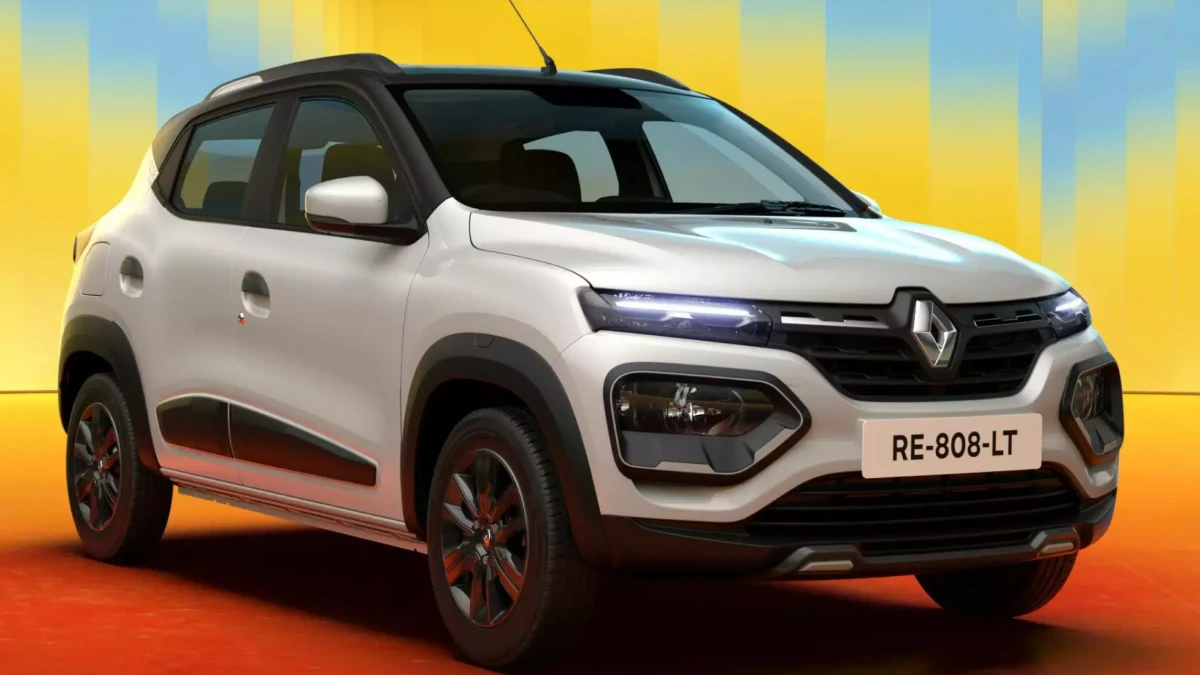
The entry-level hatchback segment in India has felt the squeeze over the last few years as first-time car buyers migrated en masse toward sub-compact SUVs. Yet, the car that originally proved a budget city runner could look like a rugged, muscular crossover is fighting back. Renault India has officially confirmed it will launch the heavily updated 2026 Renault Kwid facelift on July 3.
Marking the second major evolutionary refresh for the nameplate since its groundbreaking debut back in 2015, this mid-life update is strategically engineered to keep Renault competitive. By heavily upgrading the vehicle’s tech cabin and design language, the French automaker is giving first-time buyers high-end features without forcing them into a higher tax bracket.
Global EV Aesthetics Meet Budget Realities
The most noticeable transformation on the 2026 Kwid facelift happens right at the front bumper. Spy shots of engineering test mules confirm that Renault has dropped the older, horizontal chrome grille in favor of a much sharper, more upright nose architecture. This styling direction is lifted straight from Renault’s global electric portfolio—specifically the Dacia Spring EV sold in Europe and the Kwid E-Tech available in Latin America.
While the signature split-headlamp layout is retained, the upper lighting strips switch to sharp, multi-element Y-shaped LED daytime running lamps (DRLs). This creates a distinct visual link with the upcoming next-generation Renault Duster.
To keep production costs accessible, the primary lower headlamp pods will stick with traditional halogen bulbs inside restyled black housings. Finishing the exterior updates are a set of newly designed front and rear bumpers, rugged faux skid plates, and updated rear tail-lamps utilizing a corresponding Y-shaped internal light guide.
Entry-Level Hatchback Battle Matrix
When it breaks cover this week, the updated Kwid will renew its rivalry against Maruti Suzuki’s dominant budget fleet. The segment breakdown highlights how the 2026 Kwid plans to use premium proportions and safety to stand out:
| Budget Hatchback Rival | Engine Displacement | Peak Power / Torque | Ground Clearance | Standard Safety Gear | Projected Base Price Range |
| Renault Kwid (2026 Facelift) | 1.0L 3-Cylinder Petrol | 67 bhp / 91 Nm | 184 mm | 6 Airbags, ABS, ESC, TPMS | ₹4.50 Lakh – ₹6.50 Lakh |
| Maruti Suzuki Alto K10 | 1.0L K10C DualJet | 66 bhp / 89 Nm | 160 mm | Dual Front Airbags, ABS | ₹3.99 Lakh – ₹5.96 Lakh |
| Maruti Suzuki S-Presso | 1.0L K10C DualJet | 66 bhp / 89 Nm | 180 mm | Dual Front Airbags, ABS | ₹4.26 Lakh – ₹6.12 Lakh |
| Maruti Suzuki Celerio | 1.0L K10C DualJet | 66 bhp / 89 Nm | 170 mm | Dual Front Airbags, ABS | ₹4.99 Lakh – ₹7.04 Lakh |
A Massive Digital Leap for the Cabin
While the exterior gets a sharp refresh, the cabin receives a complete functional overhaul. The current, aging 8-inch screen steps aside for a much larger, high-definition 10-inch floating touchscreen infotainment display. This upgraded unit runs a brand-new user interface supporting wireless Apple CarPlay and Android Auto, a critical selling point for tech-focused younger buyers.
Beyond the center screen, drivers will find a completely restyled dashboard architecture housing a modern, chunky three-spoke steering wheel. The old LED digital display inside the gauge pod makes way for a clean, high-contrast digital instrument cluster.
Additionally, Renault is using this mid-cycle update to significantly reinforce structural safety. To match tightening domestic crash guidelines, top variants—and potentially the entire entry lineup—will arrive equipped with six airbags as standard, alongside electronic stability control (ESC), traction control, and a tyre pressure monitoring system (TPMS).
Proven, Unchanged Mechanical Foundations
Underneath the cosmetic and digital changes, the 2026 Kwid leaves its proven mechanical components completely untouched. Power will continue to come exclusively from the reliable 1.0-litre, three-cylinder naturally aspirated Smart Efficiency petrol engine, pumping out a healthy 67 bhp and 91 Nm of torque.
Buyers can pair this motor with either a crisp 5-speed manual transmission or a convenient 5-speed Easy-R AMT automatic gearbox that features the Kwid’s signature, space-saving rotary dial selector on the center console. Because the car retains its feather-light kerb weight, real-world fuel economy is expected to stay highly efficient, hovering between 21.7 km/l and 22.5 km/l depending on your driving environment.
Strategic Market Takeaway
The 2026 facelift shows that Renault understands the changing expectations of the budget car market. Rather than competing purely on an ultra-low starting price, the brand is prioritizing style, infotainment connectivity, and family safety. With an estimated starting price of ₹4.50 lakh (ex-showroom), the refreshed Kwid remains an incredibly practical option for urban commuters who want the commanding view and high ground clearance of a crossover without the steep price tag.
