


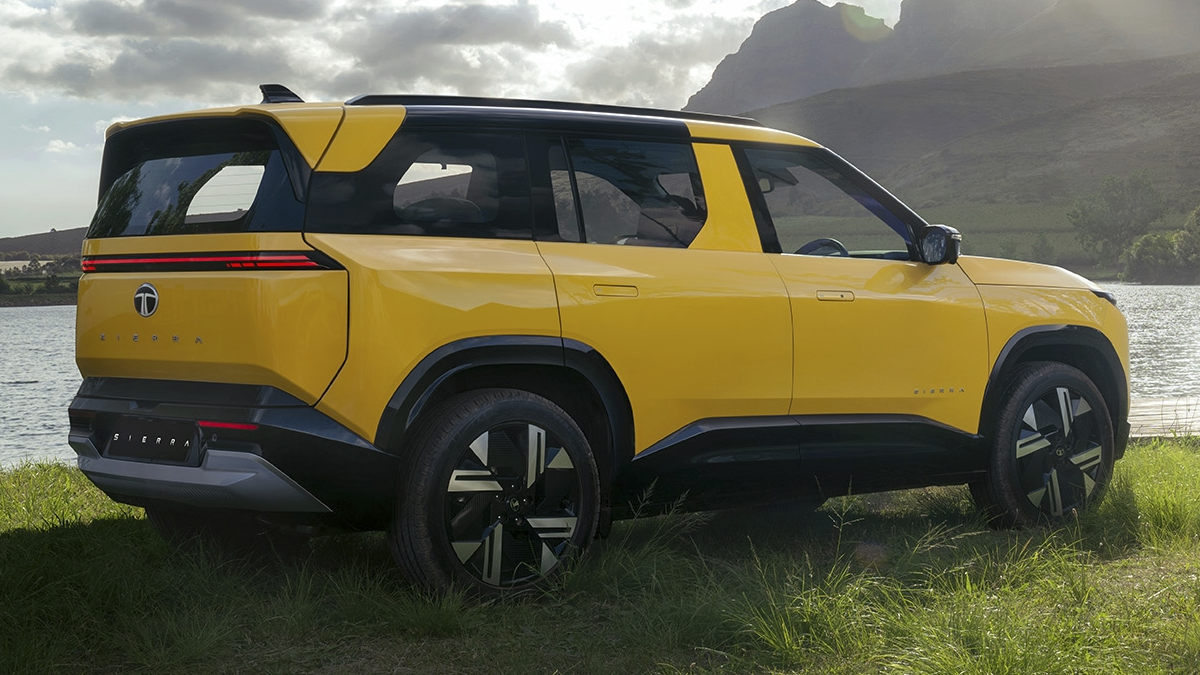
For the past few years, walking into a new car showroom felt less like stepping into a vehicle and more like entering an electronics store. Sleek, glassy, monolithic glass panels completely swallowed up the dashboard, relegating every mechanical interaction to complex nested digital sub-menus. However, a major design correction is officially underway in the Indian automotive market. Tata Motors has formally announced a strategic reversal of its “no-button” interior policy, confirming plans to systematically reintroduce physical tactile controls and high-quality switchgear in its upcoming vehicle lineup.
This shift isn’t just a minor course correction; it is a direct response to overwhelming consumer feedback. While glossy touch surfaces look hyper-futuristic under showroom lights, real-world driving conditions on unpredictable Indian roads have highlighted severe functional limitations.
Safety and Muscle Memory: The Core Catalysts
The primary driver behind this structural shift is safety. In a touchscreen-heavy environment, even an everyday adjustment—such as tweaking the cabin temperature by a single degree or altering the blower speed—requires the motorist to take their eyes off the road, look at a floating display, and hit a precise digital coordinates target.
According to Tata Motors’ Chief Design Officer, Martin Uhlarik, the company recognized that customers actively missed the direct, physical connection with their vehicles. A well-placed tactile switch or a knurled rotary dial allows for blind, zero-glance operation through pure muscle memory, keeping the driver’s focus entirely on the traffic ahead.
Furthermore, the glossy glass panels used across recent models like the Tata Nexon, Curvv, and Safari are notorious for catching micro-scratches and smudges. They also suffer from severe daytime glare, which frustrates owners who prefer a cleaner, more intuitive user interface.
Rather than reverting to the basic, budget plastic switches of the past, Tata’s future design strategy focuses on creating highly polished, premium tactile focal points. The goal is to design a selected layout of crucial buttons that look and feel like premium cabin jewelry, adding a distinct mechanical texture to a heavily digitized environment.
Defining the Hybrid Dashboard: Screens Meet Switches
Tata’s upcoming architectural update will not phase out screens entirely. Instead, future cabins will adopt a balanced, highly functional hybrid layout. Ultra-crisp, high-definition displays will continue to handle non-critical tasks—such as updating GPS navigation, adjusting deep vehicle settings, or managing media selections—while high-frequency interior operations return to physical buttons.
The first signs of this ergonomic return to form are already visible in recent mid-life vehicle updates. The company’s latest budget models have deliberately retained physical knobs and tactile toggles for their heating, ventilation, and air conditioning (HVAC) systems. This decision has received significant praise from consumer advocacy groups and daily drivers alike.
Cross-Industry Ergonomic Comparison
Tata Motors is far from alone in making this u-turn. Automotive giants worldwide are discovering that removing physical buttons compromises real-world usability.
| Automotive Group | Peak Touchscreen Era Design Philosophy | Primary Customer Complaint | 2026 Strategic Correction Strategy | Current Interior Layout Model |
| Tata Motors | Full haptic touch bars & gloss-black capacitive panels | High driver distraction; severe panel glare and fingerprint smudges | Hybrid Integration: Reintroducing high-quality, physical switches for HVAC and volume | High-definition infotainment paired with dedicated tactile core rows |
| Volkswagen | Capacitive slider controls and haptic steering wheels | Accidental activations while steering; poor nighttime backlighting | Total Rollback: Officially returning to physical steering wheel buttons and back-lit dials | Physical steering controls with simplified horizontal tactile toggle rows |
| Hyundai | Massive integrated dual-screen sweeping glass panels | Difficult to navigate complex sub-menus while driving over rough roads | Dedicated Core Clusters: Hard buttons retained for high-frequency climate and media loops | Dual displays supported by an accessible, physical button panel |
| Mercedes-Benz | Hyperscreen spanning the full width of the front dashboard | Extreme visual glare; steep learning curve for basic climate functions | Tactile Restructuring: Retaining physical central shortcut bars and key mechanical toggles | Central screen layouts supplemented by a physical row of mechanical quick-keys |
Strategic Market Takeaway
Tata Motors’ decision to balance touchscreens with physical buttons marks a highly mature moment for the brand. It proves that the company values practical safety and everyday ergonomics over fleeting tech trends.
By utilizing a smart hybrid model—where screens handle complex data and premium physical buttons manage immediate vehicle operations—Tata is establishing a highly user-friendly interior standard for the Indian automotive industry. For car buyers who value zero-glance control and satisfying mechanical feedback, this return to tactile, physical switchgear is an incredibly welcome change.
