

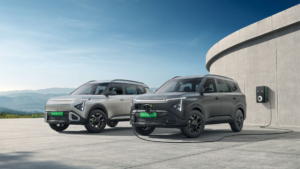
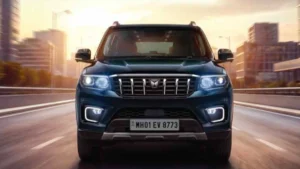


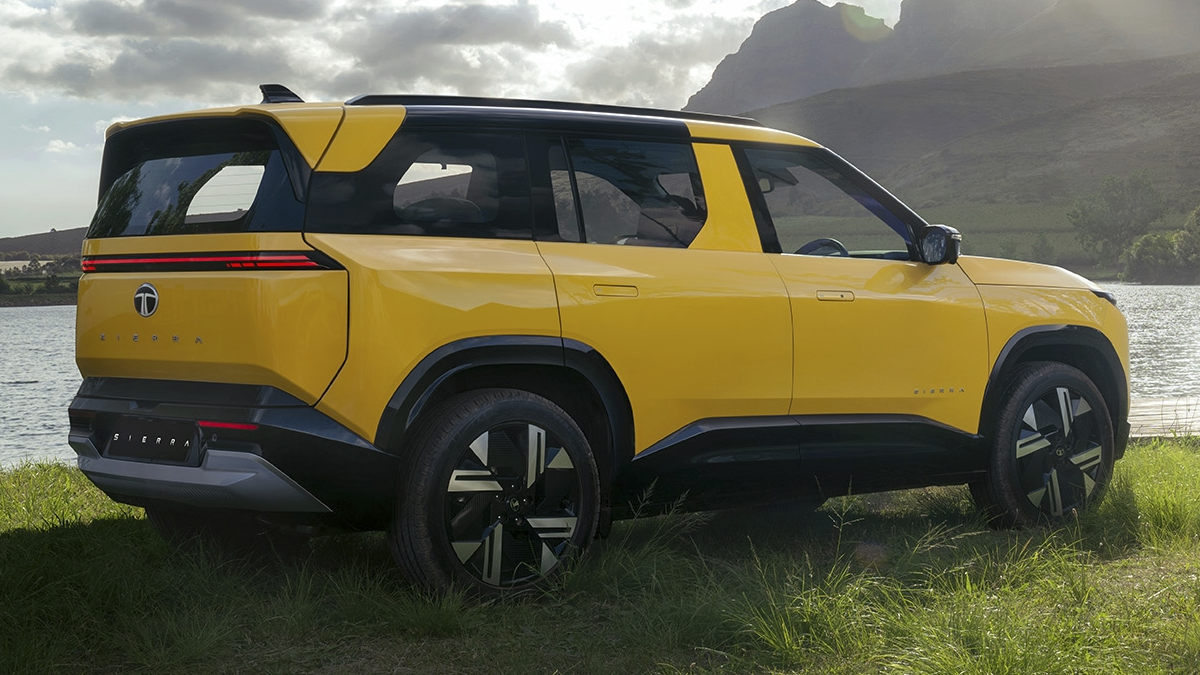
The Indian automotive sector is undergoing a massive financial recalibration. In an official regulatory filing that has sent ripples across the domestic automotive market, Tata Motors Passenger Vehicles Ltd. has confirmed an impending price increase across its entire car and SUV lineup. Car buyers planning to bring home a new vehicle will face higher price tags starting next month, making early summer purchases highly critical for budget-conscious families.
This upward revision is not a minor trim-specific adjustment. It is a sweeping, portfolio-wide price correction that impacts every model, body style, and propulsion technology under the brand’s umbrella.
Breaking Down the Hike: Who is Impacted?
The incoming price adjustment will see vehicle sticker prices rise by up to 1.5 percent. In an official press statement, Tata Motors noted that the exact quantum of the hike will vary dynamically depending on the specific model, fuel type, and trim variant chosen by the buyer.
Significantly, this strategy does not differentiate between traditional internal combustion engine (ICE) vehicles and new-age electric vehicles (EVs). From entry-level hatchbacks to premium flagship SUVs, the price increase will be felt uniformly across the line:
- The ICE Portfolio: Popular mainstream models including the Tiago, Tigor, Altroz, Punch, Nexon, Curvv, Harrier, and Safari will all see their ex-showroom baselines move upward.
- The EV Lineup: As India’s dominant electric market leader, Tata’s electric family—the Tiago EV, Punch EV, Nexon EV, Curvv EV, and Tigor EV—will also become costlier.
Squeezed Margins: Why Prices are Climbing
According to Tata Motors’ corporate communication, the primary drivers behind this financial adjustment are sustained inflationary pressures and escalating commodity input costs.
The automotive manufacturing ecosystem has been fighting compounding expenses throughout the year. Global supply chain disruptions, rising costs of crucial raw materials like high-grade steel, aluminum, and rubber, alongside the premium pricing of imported microchips and lithium-ion battery cells, have heavily squeezed manufacturer margins.
Tata Motors explicitly pointed out that while the company has aggressively absorbed a massive chunk of these overhead production increases internally, passing a minor percentage onto the end customer has become a financial necessity to protect operational sustainability.
The Second Correction of the Year
What makes this mid-year announcement particularly notable for industry analysts is its timing. This marks the second distinct price hike implemented by Tata Motors in the calendar year.
To recap the timeline: the automaker previously rolled out a more localized 0.5 percent price hike specifically targeting its ICE passenger vehicle portfolio. While that initial spring adjustment insulated the electric car lineup, this upcoming summer revision leaves no segment behind, hitting the EV space for the very first time this year.
Macro Trends: A Broader Industry Realignment
Tata Motors is far from alone in making this strategic pricing shift. The entire Indian automotive manufacturing landscape is moving in a similar direction to guard profitability. To see how this correction fits into the broader market landscape, look at how Tata’s upcoming framework compares directly with recent price movements from its direct market rivals.
| Automaker Name | Maximum Hike Threshold | Effective Enforcement Date | Impacted Portfolio Scope | Cited Operational Reason |
| Tata Motors | Up to 1.5% | July 1 | Full Portfolio (Both ICE and EV models) | Inflationary pressures & raw material costs |
| Maruti Suzuki | Up to ₹30,000 | June 1 | Select Range (Varying by model trim) | Adverse cost environment & logistics pressures |
| Hyundai India | Up to ₹12,800 | June 1 | Mass Market (Varying by model trim) | Commodity price hikes & operational costs |
The Ultimate Question: Should You Buy Before July?
For consumers currently sitting on the fence, the advice from retail experts is uniform: completing your purchase before June 30 is highly recommended.
While a 1.5 percent price ceiling might seem negligible on paper, it translates into a substantial absolute rupee increase when applied to midsize and premium vehicles. For instance, on a vehicle priced around ₹10 lakh, a 1.5 percent bump translates to an extra ₹15,000 out-of-pocket before factoring in state taxes, registration fees, and insurance brackets. On premium flagships like the Safari or Curvv EV, that jump can comfortably exceed ₹30,000.
If you want to maximize your value, lock in your booking, complete dealership billing, and secure allocation before the July 1 deadline.

