


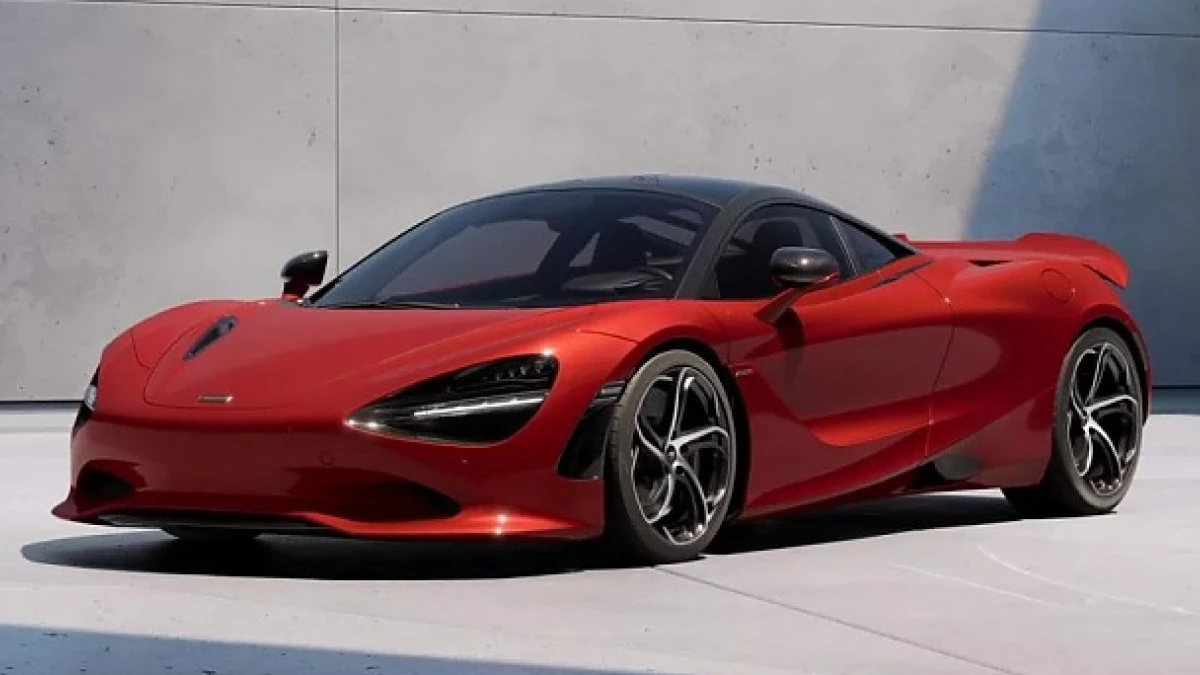
India’s exotic supercar ecosystem is on the verge of its most massive price correction in history. British luxury performance icon McLaren Automotive is preparing to sharply slash retail prices across its entire local portfolio, with maximum drops scaling up to a massive ₹3.32 crore on select models.
This historic price correction comes directly on the heels of the highly anticipated India-UK Comprehensive Economic and Trade Agreement (CETA). The strategic bilateral trade agreement is fundamentally rewriting the economics of importing elite automotive engineering into the domestic Indian market.
Detailed Model-Wise Duty Reduction Impact
The incoming trade framework lowers the steep financial wall that previously inflated high-capacity Completely Built Unit (CBU) imports. For high-capacity petrol vehicles featuring engines larger than 3,000cc, India’s baseline customs duty is dropping from a staggering 110% down to 30% in the initial phase, with a long-term roadmap leading to 10% over five years under a structured annual import quota.
Because flagship McLaren variants are built at the company’s state-of-the-art facility in Woking, UK, and utilize a 4.0-litre twin-turbocharged V8 assembly, they map perfectly into this duty-cut window. The projected price drops across the lineup are detailed below:
| McLaren Model Variant | Engine Configuration & Spec | Current India Ex-Showroom Price | Anticipated FTA Ex-Showroom Price | Total Projected Price Reduction |
| McLaren 750S Spider | 4.0L Twin-Turbo V8 (740 bhp) | ₹8.78 Crore | ₹5.46 Crore | ↓ ₹3.32 Crore |
| McLaren 750S Coupe | 4.0L Twin-Turbo V8 (740 bhp) | ₹7.94 Crore | ₹4.94 Crore | ↓ ₹3.00 Crore |
| McLaren GTS | 4.0L Twin-Turbo V8 (626 bhp) | ₹6.15 Crore | ₹3.83 Crore | ↓ ₹2.32 Crore |
| McLaren Artura | 3.0L V6 Twin-Turbo Hybrid | No Revision Expected | No Revision Expected | Exempt From First Phase |
Critical Category Exception: While the twin-turbocharged V8 models enjoy an immediate 38% price drop, the hybrid-powered McLaren Artura does not qualify for the same initial duty cuts. Because it uses a sub-3,000cc V6 hybrid layout, its pricing structure will remain stable during the opening phase of the trade agreement rollout.
Shaping a New Competitive Supercar Landscape
1. Breaking the ₹5 Crore Barrier for Elite Performance
The incoming structural price correction repositions the highly acclaimed McLaren 750S Coupe. Moving from its old near-₹8 crore territory to a revised sub-₹5 crore tier, it directly enters the competitive crosshairs of major performance rivals like Ferrari and Lamborghini, which do not currently benefit from similar bilateral trade treaties.
2. Revitalizing the Grand Touring Segment
With the McLaren GTS dropping to a highly competitive ₹3.83 crore, premium grand touring buyers looking for everyday supercar usability receive an incredibly compelling alternative. The model features 626 horsepower and accelerates from 0 to 100 km/h in just 3.2 seconds, making it a strong alternative to top-tier sports cars.
3. Setting a Market Precedent
McLaren follows the strategic path forged by Jaguar Land Rover, which recently trimmed prices on its top-tier imported Range Rover SV lines by up to ₹75 lakh to pass on early trade benefits. This move sets a clear trend where top global manufacturers actively pass on trade-deal relief directly to Indian buyers to gain a competitive edge.
The Verdict: A Game-Changer for Collectors
This incoming duty shift marks a defining moment for the Indian luxury automotive space. A price reduction ranging between ₹2.3 crore and ₹3.3 crore is larger than the total retail sticker price of most standard luxury vehicles sold in the country.
By removing a massive layer of import taxation, the India-UK FTA is not just giving a discount; it is fundamentally altering the value equation for serious car collectors and performance enthusiasts across metros like Mumbai, Delhi, and Bengaluru.
