


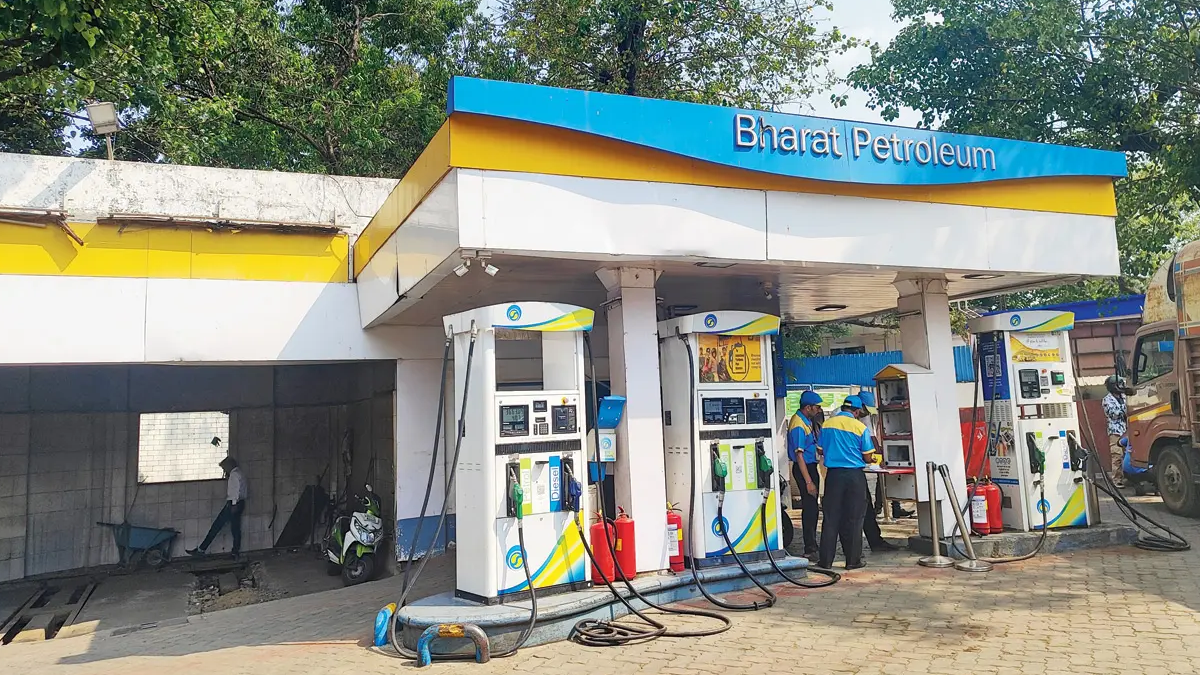
The Indian automotive landscape is standing on the edge of a massive alternative fuel revolution. As the government aggressively pushes to curb crude oil imports and slash vehicular emissions, India is finalizing infrastructure plans for the nationwide commercial rollout of E85 fuel. Designed specifically for specialized flex-fuel vehicles, E85 contains an intensive blend of 85% ethanol and 15% conventional petrol.
To ensure rapid consumer adoption and outpace traditional fuels, highly placed government sources indicate that E85 will be launched at a retail price significantly lower than standard petrol. By offering an attractive cost incentive at the pump, India aims to quickly bridge the gap between green mobility and economic savings for the everyday motorist.
E85 Fuel vs. Standard Petrol (E10/E20): High-Impact Matrix
To understand how the incoming E85 fuel ecosystem compares against the standard petrol currently running through Indian fuel stations, we have broken down the core structural, environmental, and financial differences below:
| Fuel & Performance Metric | Standard Petrol (Current E10/E20 Blends) | Upcoming E85 Flex-Fuel Standard |
| Ethanol Content Level | 10% to 20% agricultural bio-ethanol | 85% pure bio-ethanol blend |
| Octane Rating Parameter | Baseline 91 Octane rating | Superior 100+ High-Octane performance |
| Target Vehicle Ecosystem | Standard internal combustion engines (ICE) | Dedicated Flex-Fuel Vehicles (FFVs) |
| Pricing Strategy Target | Full market value tied to global crude oil | Heavily subsidized, low-cost pricing bracket |
| Carbon Emissions Profile | Baseline footprint from fossil fuel combustion | Up to 35% lower greenhouse gas emissions |
| Fuel Efficiency Impact | Peak baseline mileage figures | 15% to 25% lower fuel economy due to lower energy density |
The Economic Equation: How a Lower Pump Price Offsets the Mileage Drop
The biggest hurdle for high-blend ethanol adoption worldwide has always been energy density. Pure ethanol contains roughly one-third less energy per gallon than pure fossil fuel, which naturally translates to a 15% to 25% drop in real-world vehicle mileage when running on pure E85.
To counter this mileage drop, the Indian government’s pricing strategy is being built around mathematical compensation. By pricing E85 substantially below standard petrol, the financial savings at the fuel pump will easily outrun the slight drop in tank range.
This pricing mechanism is achieved by applying a lower Goods and Services Tax (GST) bracket on ethanol and offering attractive financial credits to domestic sugar mills. This setup turns E85 into an incredibly competitive option for high-mileage commercial fleets and daily urban commuters alike.
Technical Transformation: What Makes a Car E85-Compatible?
You cannot simply pull up to an E85 dispenser and fill up a standard hatchback. Running an engine on an 85% ethanol blend requires specialized component upgrades from factory assembly lines to handle the chemical properties of alcohol.
- Corrosion-Resistant Fuel Systems: Because high-blend ethanol is naturally corrosive to standard rubber gaskets and bare aluminum, flex-fuel vehicles utilize high-grade stainless steel fuel lines, Teflon-coated fuel tanks, and specialized fuel pumps.
- Smart Fuel Composition Sensors: Compatible vehicles are fitted with an advanced electronic fuel sensor that instantly detects the precise ethanol-to-petrol ratio entering the engine block.
- Dynamic ECU Remapping: The vehicle’s Engine Control Unit (ECU) automatically adjusts fuel injection timings and spark intervals on the fly, seamlessly adapting whether the vehicle is running on 100% petrol, E20, or pure E85.
The Macro Benefits: A Massive Win for India’s Rural Economy
Beyond saving money for individual drivers, a successful E85 rollout serves as a major strategic shield for India’s macroeconomy. Currently, India ranks as one of the world’s largest importers of crude oil, spending billions in foreign exchange reserves annually. Shifting a massive portion of passenger traffic to domestically produced ethanol directly retains those funds within national borders.
Furthermore, ethanol in India is primarily derived from sugarcane molasses, damaged food grains, and agricultural waste. A nationwide demand for E85 creates a robust, highly predictable revenue stream for millions of local farmers, turning the automotive energy sector into a powerful engine for rural development.
Industry Readiness and Market Outlook
Major automotive manufacturers in India have already completed initial technical validation runs for their flex-fuel prototypes. Industry leaders like Maruti Suzuki, Toyota, and Tata Motors have showcased production-ready flex-fuel cars, confirming they are fully prepared to scale up manufacturing as soon as the E85 refueling grid expands.
The primary challenge now shifts to logistical distribution—safely transporting ethanol from distilleries and setting up dedicated underground storage tanks at existing fuel stations. With firm policy backing and a customer-attracting price model, E85 is set to become a pillar of India’s long-term green mobility strategy.
