


If you’ve been tracking the Indian automotive market this month, you’ll notice a recurring theme: the “introductory price” window is closing fast. On April 17, 2026, Volvo Car India and BYD India both officially confirmed price revisions effective from May 1, 2026.
These announcements follow a turbulent start to the financial year, where legacy brands like Mercedes-Benz and Tata Motors have already adjusted their stickers. For buyers, this means that the “wait and watch” strategy for 2026 is becoming an expensive gamble.
Volvo: Protecting the “Safety” Premium
Volvo Car India has announced a flat increase of up to ₹1,00,000 across its entire portfolio. According to a company statement issued this morning, this adjustment is a “mechanical necessity” to maintain their uncompromising safety and luxury standards amidst a volatile economic climate.
- Impacted Models: The hike applies to the XC90, XC60, and the high-demand electric duo—the EX30 and EC40.
- The Forex Factor: Volvo is particularly sensitive to the Euro-to-INR exchange rate, which has remained stubbornly above the ₹100 mark throughout the first quarter of 2026, significantly increasing the landed cost of their Scandinavian components.
BYD: Navigating the Global Logistics Crisis
In a separate but simultaneous move, BYD India has confirmed a 2% to 3% price hike across its four-model lineup. While BYD has traditionally tried to absorb costs to gain market share, a new variable has forced their hand: the Strait of Hormuz shipping crisis.
The disruption in global maritime routes has sent freight and insurance costs skyrocketing for Chinese imports.
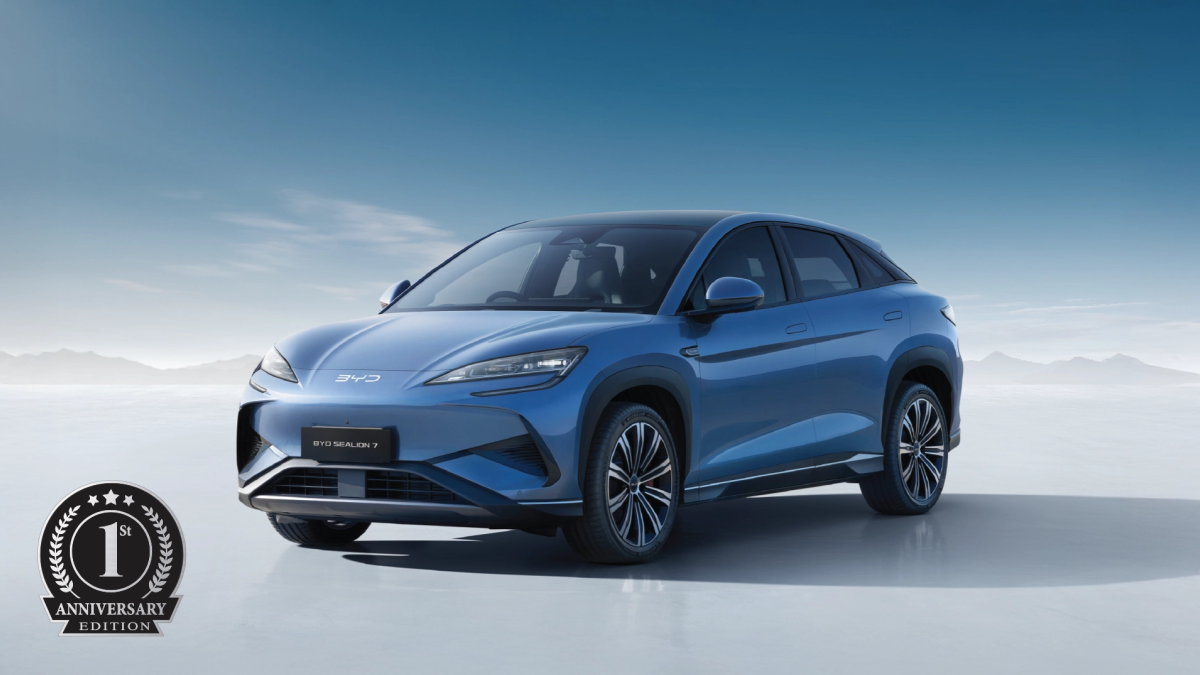
- The Seal & Sealion 7 Effect: For flagship models like the BYD Seal and the newly launched Sealion 7, a 3% hike translates to an on-road increase of approximately ₹1.2 lakh to ₹1.65 lakh.
- The Entry-Level Shift: Even the entry-level Atto 3 (currently starting at ₹24.99 lakh) will see an upward revision of roughly ₹50,000 to ₹75,000, pushing it closer to the ₹26 lakh territory.
Why Is This Happening Now?
Beyond the specific brand justifications, three “Silent Killers” are driving this industry-wide trend in 2026:
- Commodity Resilience: Despite hopes for a cooling market, the cost of lithium and high-grade steel has seen a 4.2% uptick this quarter.
- CAFE III Preparation: Brands are front-loading costs as they invest in the R&D required for the stricter CAFE III fuel efficiency norms coming in 2027.
- Logistics Volatility: As mentioned by BYD, the “security premium” on global shipping is currently at a three-year high.
Price Revision Snapshot (Effective May 1, 2026)
| Brand | Model Range | Quantum of Hike | Primary Driver |
| Volvo | XC40 to XC90 | Up to ₹1,00,000 | Forex (Euro/INR) |
| BYD | Atto 3 / eMAX 7 | ₹50,000 – ₹90,000 | Freight Costs |
| BYD | Seal / Sealion 7 | ₹82,000 – ₹1,65,000 | Input Materials |
The Verdict
The message from the industry is clear: the era of aggressive “market-entry pricing” is being replaced by “margin protection.” If you have a booking in hand, experts suggest completing the invoicing before April 30 to lock in the current rates.
Does a ₹1 lakh hike change your decision between a Volvo and a BYD, or is the brand’s tech still worth the premium? Let us know in the comments!
