


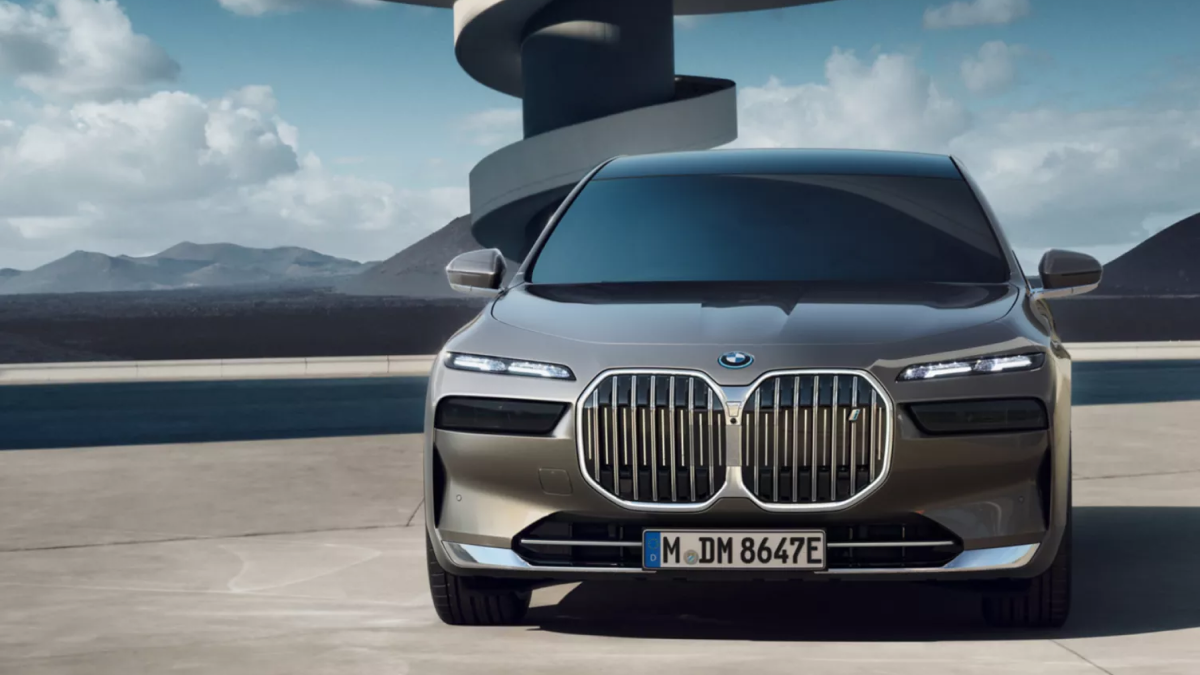
The pinnacle of electric luxury is about to get a major heart transplant. BMW has officially confirmed that it will unveil the updated 2026 i7 flagship sedan on April 22 at the Beijing International Automotive Exhibition (Auto China 2026). While the current i7 is already a technical marvel, the 2026 refresh marks a pivotal moment for the brand as it bridges the gap between its current generation and the upcoming “Neue Klasse” era.
This isn’t just a simple cosmetic facelift; it is the debut of a high-performance partnership that could redefine the range and charging capabilities of BMW’s most opulent EV.
The “Rimac” Partnership: A New Era for Batteries
The most significant update for 2026 is hidden beneath the floorboards. BMW has collaborated with Croatian electric hypercar maker Rimac Technology to co-develop the i7’s new battery system.
Early reports suggest this partnership has yielded a 20% jump in energy density. For the driver, this means the 2026 i7 could see its real-world range push toward the 650–680 km mark, significantly narrowing the gap with the Mercedes EQS. Furthermore, the rapid charging capacity is expected to exceed the current 195 kW, potentially reaching 250 kW or more, allowing for a 10% to 80% top-up in just under 22 minutes.
Interior: Introducing “Panoramic iDrive”
Inside, the “rolling cinema” experience is getting a massive digital upgrade. While the 31.3-inch Theatre Screen remains the highlight for rear passengers, the front cockpit is moving toward the BMW Operating System iDrive 9.5.
What’s new inside:
- Panoramic iDrive: A wider, more immersive dashboard display that stretches across the base of the windshield, reducing the need for traditional head-up displays.
- Rimac-Optimized Telemetrics: New software that provides hyper-accurate, real-time battery health and temperature data, allowing for smarter route planning during long-distance travel.
- 3D HUD: An augmented reality head-up display that projects navigation arrows directly onto the road surface through the windshield.
Subtle Exterior Refinements
Visually, the i7 is following the “evolution, not revolution” path. The split-headlight setup—which was polarizing at launch—has been slimmed down for a more aggressive, sharper look. The iconic kidney grille now features a new “Crystal Glow” illumination pattern, and the rear tail lamps have been updated with a flatter, 3D LED signature.
Competitive Landscape in India
In the Indian market, where the i7 currently retails between ₹2.05 crore and ₹2.58 crore, the 2026 update will be critical. It needs to hold its ground against the facelifted Mercedes-Benz EQS and the Audi e-tron GT, both of which have recently seen performance boosts.
| Metric | Current BMW i7 | 2026 i7 Facelift (Expected) |
| Peak Charging | 195 kW | 250+ kW |
| Max Range (WLTP) | 625 km | ~675 km |
| Battery Tech | Generation 5 | Rimac-Co-Developed |
| Infotainment | iDrive 8.5 | iDrive 9.5 (Panoramic) |
The Verdict
The April 22 unveiling is more than just a car launch; it’s a statement of intent. By partnering with Rimac, BMW is proving that it is ready to challenge the best in the world on a purely technical level, ensuring that the i7 remains the “ultimate electric driving machine” for the business elite.
Would you prefer the tech-heavy i7 with Rimac batteries over a traditional luxury sedan? Let us know in the comments below!
