


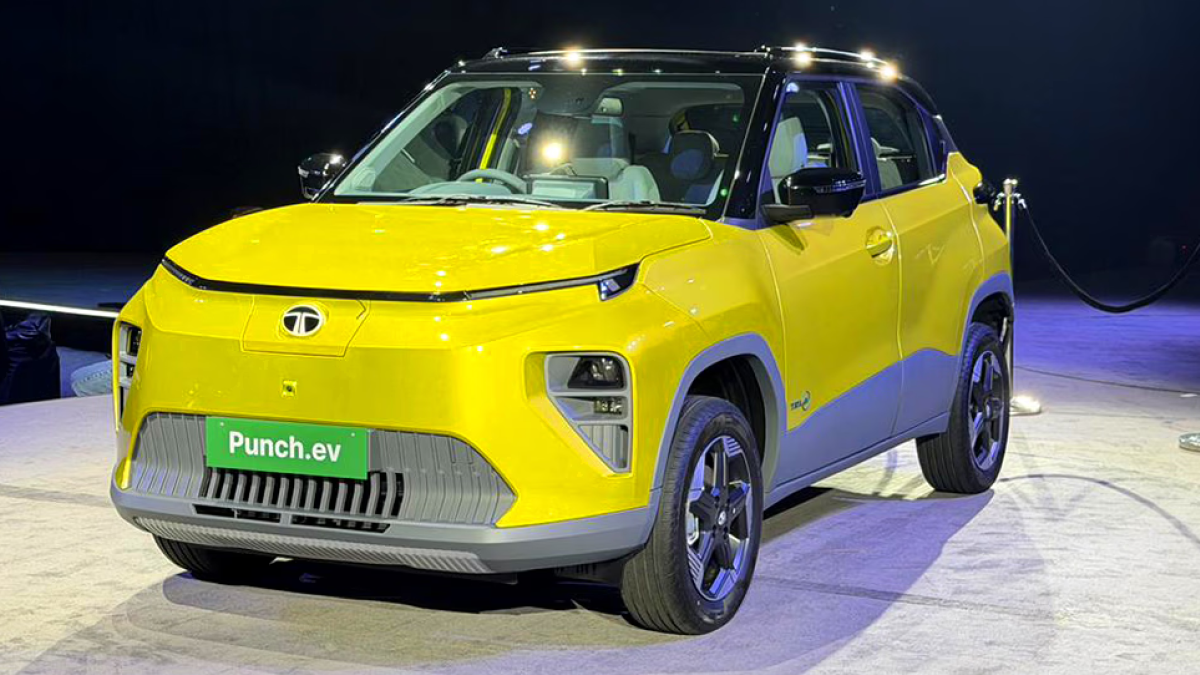
If you’ve been eyeing a new Tata SUV or hatchback, you might want to finalize that booking before the month ends. Tata Motors Passenger Vehicles Ltd. (TMPV) has officially announced a marginal price revision across its entire internal combustion engine (ICE) portfolio, effective from April 1, 2026.
The company confirmed that the weighted average increase will be approximately 0.5%. While this may seem like a modest adjustment, it marks another calibrated step by India’s leading SUV manufacturer to balance rising operational costs with market competitiveness.
Why Are Prices Going Up?
Automakers rarely enjoy raising prices, but the current economic climate has made it unavoidable. According to Tata Motors, the hike is a direct response to sustained inflationary pressures on raw materials.
- Input Cost Surge: Over the past year, the prices of essential commodities—particularly steel, aluminum, and precious metals used in catalytic converters—have remained volatile.
- Logistics and Supply Chain: Increased freight charges and global supply chain complexities continue to add a “hidden tax” to every vehicle that rolls off the assembly line.
- Partial Absorption: Notably, Tata Motors mentioned that this hike only “partially offsets” the total increase in production costs, suggesting the brand is still absorbing a significant portion of the burden to keep its cars accessible.
Which Models Are Affected?
The 0.5% hike applies to the ICE (Petrol, Diesel, and CNG) lineup. This includes some of India’s most popular vehicles:
- Hatchbacks: Tiago and Altroz
- Sedans: Tigor
- SUVs: Punch, Nexon, Harrier, and the flagship Safari
It is important to note that the 0.5% is a weighted average. In real-world terms, the exact price jump will vary. For instance, a base-model Tiago might see an increase of roughly ₹2,500–₹3,000, while a top-end Safari or Harrier could see prices climb by ₹10,000 to ₹15,000. Interestingly, the company’s rapidly growing Electric Vehicle (EV) portfolio has been excluded from this specific announcement for now.
An Industry-Wide Trend
Tata Motors isn’t alone in this move. April has historically been the “reset month” for the Indian automotive industry, coinciding with the start of the new financial year.
- Luxury segment: Audi, BMW, and Mercedes-Benz have already announced steeper hikes of up to 2% from April 1.
- Mass market: Maruti Suzuki and Hyundai have also hinted at imminent price reviews as they navigate the same commodity price hikes and currency fluctuations.
The Verdict: Should You Buy Now?
With the hike taking effect on April 1, 2026, the next few days represent a “golden window” for prospective buyers. Not only can you avoid the price increase, but many dealerships are also offering year-end exchange bonuses and corporate benefits to close out the financial year.
If you’re looking for a vehicle known for its 5-star safety rating and bold design, locking in your price this week could save you enough to cover your first year of accessories or extended warranty.
