


India’s electric vehicle transition continues to accelerate as more buyers shift towards cleaner and more efficient mobility solutions. February 2026 proved to be another strong month for the country’s electric passenger vehicle market, with sales showing significant year-on-year growth and established players maintaining their leadership positions.
Electric mobility in India has moved beyond the early adoption stage. Increasing awareness about sustainability, rising fuel prices, and improved charging infrastructure are encouraging more consumers to consider electric vehicles as their primary transportation option. Automakers are responding to this shift by expanding their EV portfolios and investing heavily in new technologies and manufacturing capacity.
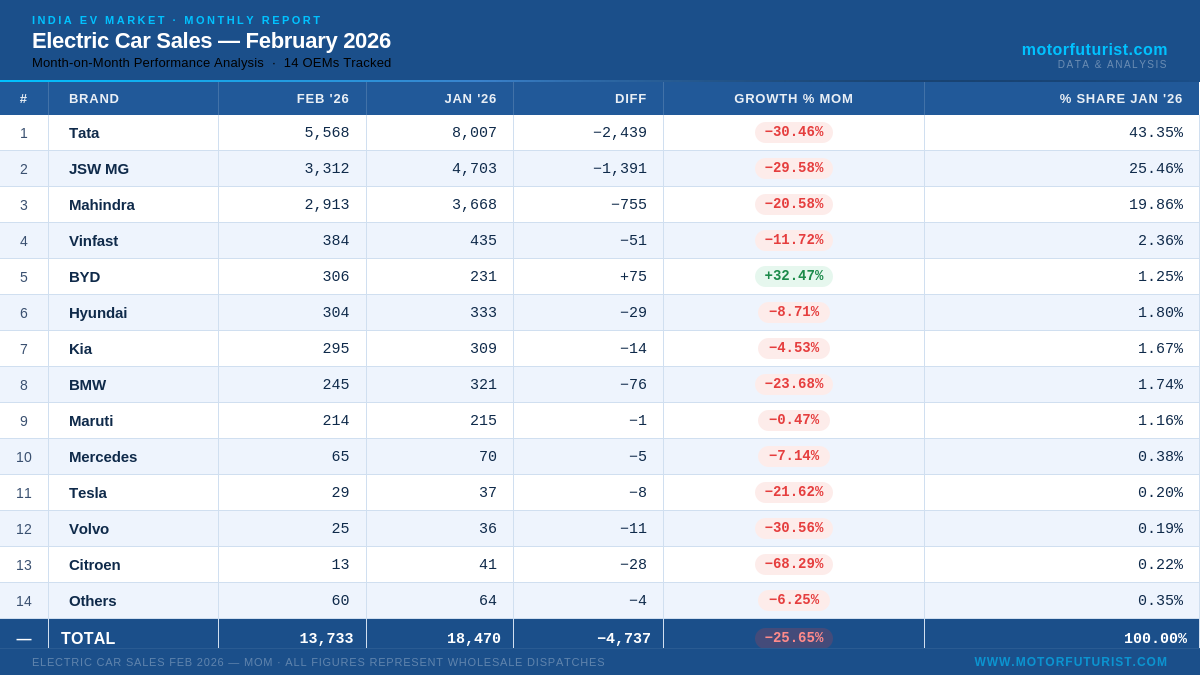
In February 2026, the Indian electric car market once again highlighted the dominance of domestic manufacturer Tata Motors, while MG Motor and Mahindra continued to strengthen their positions. At the same time, international players such as BYD, VinFast, Hyundai and Kia are gradually expanding their presence in the segment.
Tata Motors Continues to Dominate the Electric Car Market
Tata Motors remains the undisputed leader in India’s electric passenger vehicle segment. Over the past few years, the company has built a strong EV ecosystem supported by multiple product offerings, competitive pricing and expanding charging infrastructure partnerships.
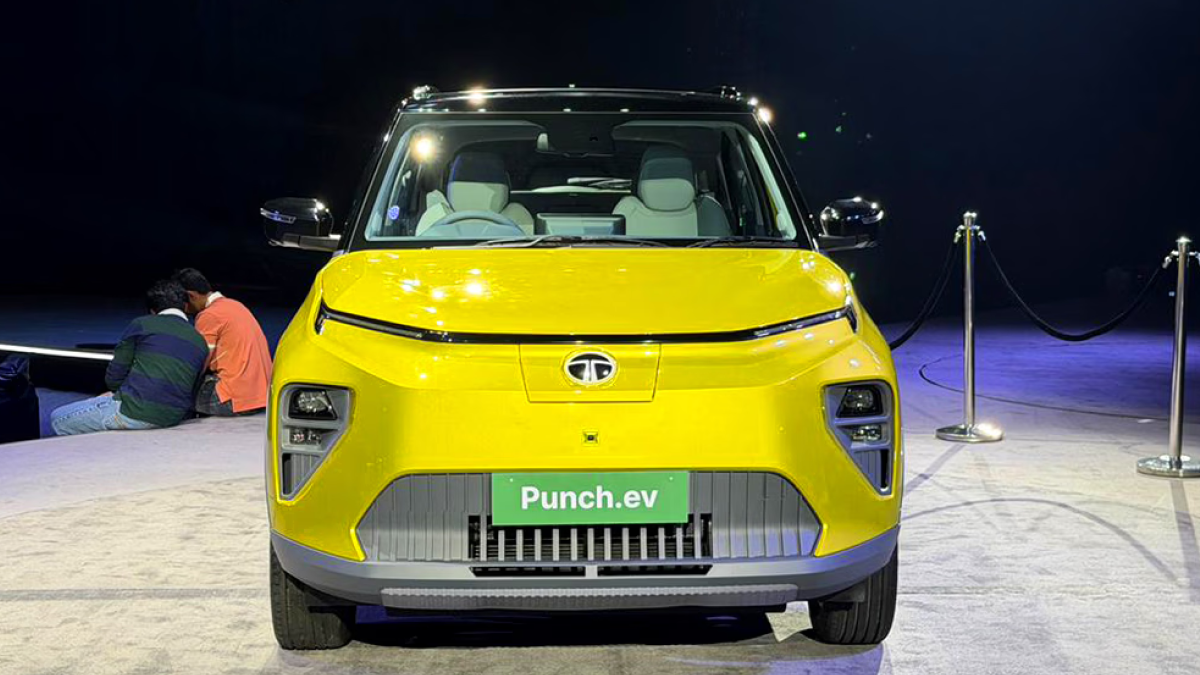
Models such as the Nexon EV, Tiago EV and Punch EV have played a crucial role in Tata’s continued dominance. These vehicles cater to a wide range of customers, from urban commuters looking for affordable electric mobility to buyers seeking feature-rich electric SUVs.
Tata’s strategy of offering locally manufactured EVs at accessible price points has helped the brand capture a large portion of the market. Its dedicated EV architecture and growing focus on battery technology also give the company an advantage in scaling production and reducing costs.
With several upcoming electric models planned under its future EV lineup, Tata Motors is expected to maintain its leadership position in the coming years.
MG Motor Holds Strong Second Position
MG Motor India continues to secure the second spot in India’s electric car market. The brand has successfully established itself as a key EV player by offering innovative electric vehicles combined with advanced technology and connectivity features.
The MG Comet EV has become particularly popular among urban buyers due to its compact size and affordability. Designed primarily for city commuting, the Comet EV appeals to younger consumers and first-time EV buyers who prioritize convenience and efficiency.
MG also continues to sell the ZS EV, which caters to customers looking for a premium electric SUV with longer range and advanced safety features.
By combining affordable city EVs with premium electric SUVs, MG Motor has managed to expand its customer base while strengthening its position in India’s rapidly evolving EV ecosystem.
Mahindra Emerges as a Strong EV Contender
Mahindra is steadily becoming one of the most important players in India’s electric vehicle landscape. The company has made significant investments in EV technology and has introduced several electric SUVs aimed at capturing the growing demand for larger vehicles.
Mahindra’s long-term strategy focuses heavily on electric SUVs built on dedicated EV platforms. These vehicles are designed to deliver high performance, longer driving range and advanced digital features.
The company’s upcoming Born Electric lineup is expected to further strengthen Mahindra’s presence in the EV segment. With Indian consumers showing a strong preference for SUVs, Mahindra’s EV strategy could prove to be highly effective in the coming years.
Mahindra’s progress highlights how traditional automakers are successfully adapting to the new electric mobility era.
Global Brands Expanding Their EV Presence in India
While Indian manufacturers dominate the electric car market, global automakers are gradually increasing their presence as well.
VinFast, the Vietnamese electric vehicle manufacturer, is preparing to expand its operations in India. The company has already announced plans to invest in local manufacturing and introduce multiple electric models in the country.
BYD, another global EV player, continues to sell premium electric vehicles in India. The brand focuses on high-range EVs and advanced battery technology, targeting customers who are willing to pay for cutting-edge innovation.
Meanwhile, Hyundai and Kia are also expanding their EV portfolios. Hyundai’s EV sales experienced fluctuations in February 2026, but the company remains committed to electrification through future product launches and technological investments.
Kia, on the other hand, recorded strong growth in EV sales, highlighting increasing demand for its electric offerings.
As more global brands enter the market, competition within India’s EV segment is expected to intensify significantly.
Factors Driving EV Growth in India
Several important factors are contributing to the rapid growth of electric vehicles in India.
Government incentives and supportive policies have played a major role in encouraging both manufacturers and consumers to adopt EV technology. Programs promoting clean mobility, combined with tax benefits and subsidies, have helped reduce the cost barrier associated with electric vehicles.
Another key factor is the expansion of charging infrastructure. Public charging networks are steadily growing across major cities and highways, making EV ownership more practical and convenient.
Rising fuel prices have also encouraged many consumers to explore electric mobility as a cost-effective alternative to traditional internal combustion vehicles.
Additionally, advances in battery technology are improving driving range while reducing charging times, addressing some of the biggest concerns among potential EV buyers.
The Future of Electric Cars in India
India’s electric vehicle market is still in its early growth phase, but the momentum is clearly building. With new EV launches planned across multiple segments—from compact city cars to premium electric SUVs—the market is expected to expand rapidly over the next decade.
Automakers are investing heavily in research and development, battery manufacturing and localized production to meet future demand.
Industry experts believe that electric vehicles will gradually become a mainstream choice for Indian consumers as prices become more competitive and infrastructure continues to improve.
The government has also set ambitious targets to increase EV adoption in the coming years, which will further accelerate the transition toward sustainable mobility.
Conclusion
February 2026 once again confirmed that India’s electric car market is evolving quickly. Tata Motors continues to dominate the segment, while MG Motor and Mahindra are strengthening their positions with competitive EV offerings.
At the same time, international manufacturers such as BYD, VinFast, Hyundai and Kia are bringing new technologies and products into the market, increasing competition and driving innovation.
With growing consumer interest, expanding infrastructure and continuous product launches, India’s electric vehicle revolution is well underway.
The coming years will likely see even faster growth as electric cars move from niche adoption to becoming a mainstream choice for millions of Indian buyers.
