


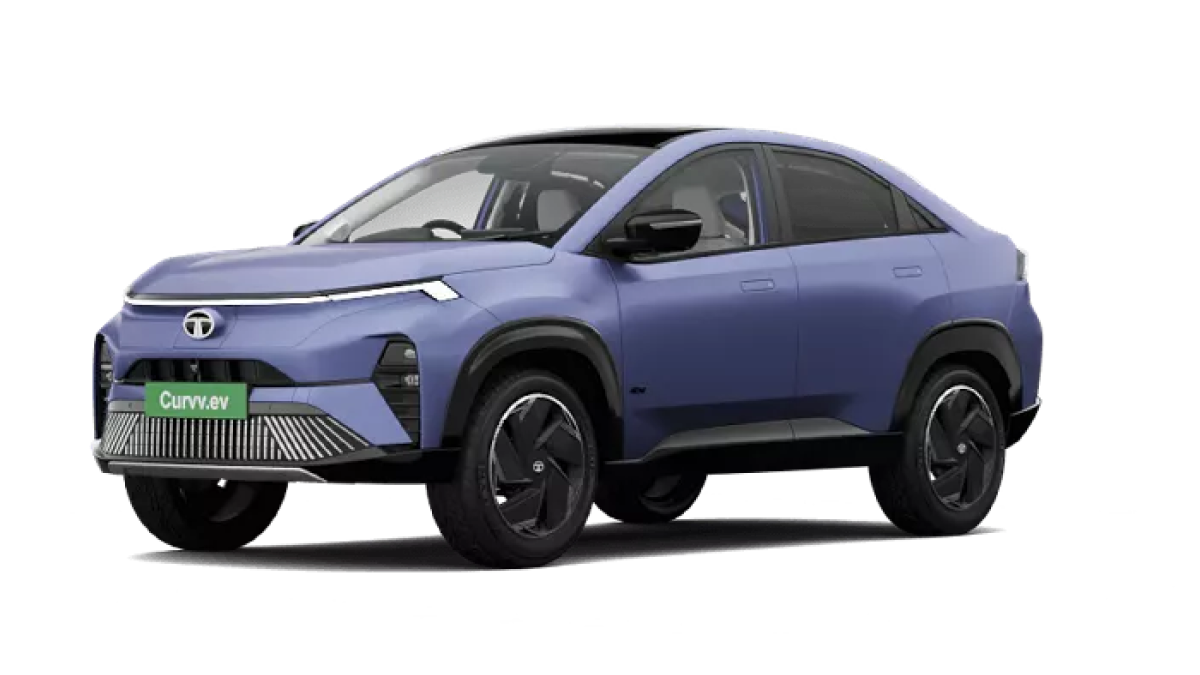
As the Indian automotive industry enters the final month of the 2025–26 financial year, Tata Motors has unleashed a wave of aggressive purchase incentives across its electric vehicle (EV) portfolio. These maneuvers are designed to defend Tata’s 70% market share against an influx of new competitors, including the Maruti Suzuki e Vitara and the Mahindra BE 6. For March 2026, the company is offering cumulative benefits that, in some cases, exceed Rs. 3 lakh, signaling a decisive push to convert ICE (Internal Combustion Engine) buyers before the new fiscal year begins.
The Curvv EV: Leading the Charge with Record Discounts
The standout performer in this month’s incentive program is the Tata Curvv EV. While initial reports suggested benefits around the Rs. 1.7 lakh mark, the latest dealer mandates for March 2026 have increased total savings to Rs. 3.30 lakh for 2026 manufacturing year models. This package includes a significant cash component, exchange bonuses of up to Rs. 30,000, and a “Green Mobility” loyalty bonus for existing Tata EV owners.
The Curvv EV, priced between Rs. 17.49 lakh and Rs. 22.24 lakh, continues to offer two battery pack options: 45 kWh and 55 kWh. By reducing the effective on-road price of the top-tier Empowered+ variants, Tata is directly undercutting the mid-range trims of its premium rivals, making the coupe-SUV one of the most cost-effective long-range options in the segment.
Nexon EV and Tiago EV: Tactical Pricing Adjustments
The Nexon EV, which remains the backbone of Tata’s electric sales, is currently available with benefits of up to Rs. 1.20 lakh on 2025 stock and approximately Rs. 30,000 on fresh 2026 models. With the recent introduction of the 45 kWh long-range battery, the Nexon EV now offers a more competitive 489 km claimed range. The March incentives specifically target the “Fearless” and “Empowered” trims to clear 2025 inventory ahead of the rumored software-driven feature update expected in April.
Meanwhile, the Tiago EV—India’s most popular electric hatchback—is seeing benefits of up to Rs. 1.50 lakh on older units. For the 2026 models, the benefits are capped at a more modest Rs. 60,000, ensuring the entry-level EV remains accessible to first-time buyers looking to hedge against rising fuel costs.
The Punch EV Facelift and the BaaS Model
A significant development for March 2026 is the introduction of the Punch EV Facelift. While the facelifted model generally does not attract large cash discounts, Tata has introduced a Battery-as-a-Service (BaaS) pricing model. This allows buyers to purchase the vehicle at a lower upfront cost of Rs. 6.49 lakh, paying a separate battery rental fee of approximately Rs. 2.6 per kilometer. For those preferring the traditional ownership model, older pre-facelift Punch EV units are being cleared with heavy benefits of up to Rs. 1.60 lakh.
Market Implications
Tata’s decision to offer such deep incentives suggests a dual-purpose strategy. First, it ensures that dealership yards are cleared of 2025 inventory to make room for the upcoming Sierra EV production cycle. Second, it creates a formidable price barrier for new entrants who are struggling with higher initial production costs. For the consumer, the confluence of year-end corporate benefits, dealer-level negotiations, and these official manufacturer incentives makes March 2026 arguably the most financially viable window for an EV purchase in the last three years.
