


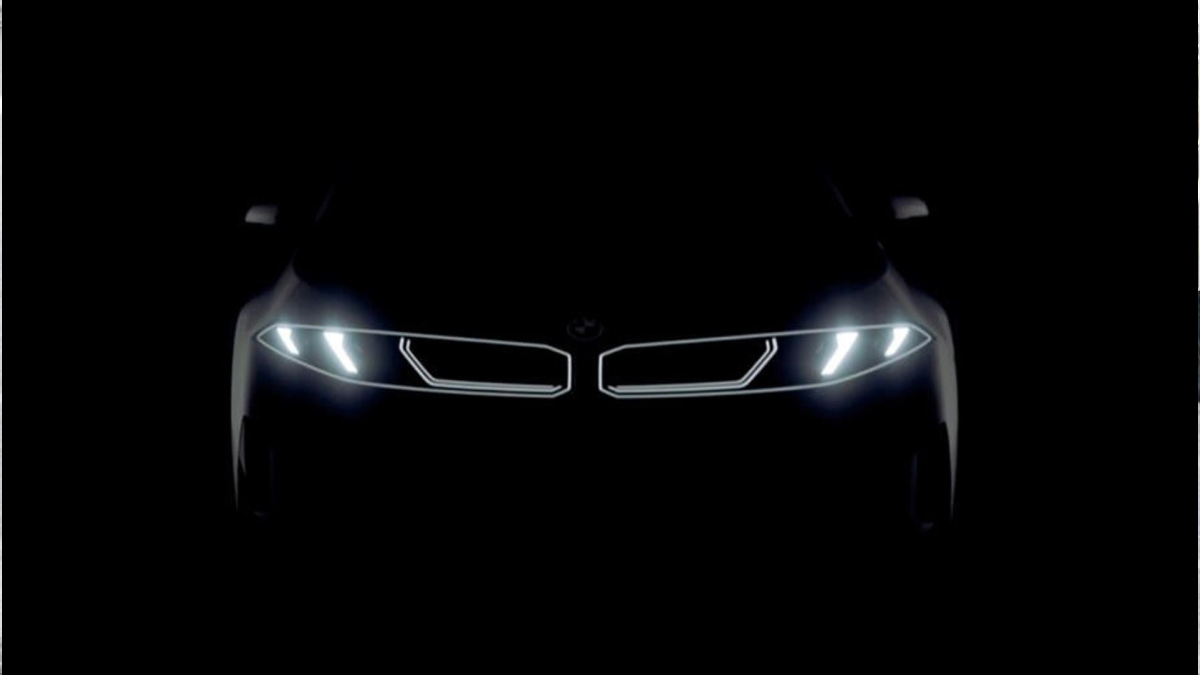
BMW is on the verge of its most significant product reveal in decades. On March 18, 2026, the Munich-based automaker will host the global design premiere of the all-new i3 sedan. This model represents the second vehicle to be built on the dedicated Neue Klasse (New Class) electric architecture, following the market launch of the iX3 SUV. While the i3 nameplate was previously associated with a compact electric hatchback discontinued in 2022, the 2026 iteration is a vastly different machine: it is the first fully electric interpretation of the legendary 3 Series sedan.
Neue Klasse: A Quantum Leap in EV Architecture
The “Neue Klasse” designation is a historical nod to the 1960s models that saved the company from financial ruin, and the 2026 i3 is expected to have a similar transformative impact. Unlike the current BMW i4, which is built on a flexible platform that also accommodates petrol engines, the i3 is an “EV-first” design.
This platform introduces BMW’s sixth-generation eDrive (Gen6) technology. Key technical advantages revealed during final winter validation in Arjeplog include:
- 800-Volt Architecture: This allows the i3 to support ultra-fast DC charging speeds of up to 400 kW. Owners can theoretically add 300 km of range in just 10 minutes.
- Cylindrical Battery Cells: Shifting away from prismatic cells, the new 46mm diameter cylindrical cells offer 20% higher energy density.
- Efficiency Gains: Due to its superior aerodynamics compared to the iX3 SUV, the i3 sedan is expected to achieve a WLTP range exceeding 800 kilometers (approximately 500 miles) on a single charge.
The “Heart of Joy”: Redefining Driving Dynamics
A core focus for the March 18 debut will be the Heart of Joy—one of four centralized “superbrains” within the vehicle’s digital architecture. This system consolidates powertrain management, stability control, and braking into a single high-performance computing unit.
According to BMW engineers, the Heart of Joy processes inputs ten times faster than previous systems. This allows for a “Soft-Stop” function, where 98% of braking is handled through electric motor recuperation, virtually eliminating the jerkiness associated with traditional friction brakes. This centralized control ensures that the i3 retains the “Ultimate Driving Machine” DNA, offering rear-wheel-drive dynamics that mirror the traditional petrol-powered 3 Series.
Design and Interior Philosophy
Visually, the i3 will evolve the Vision Neue Klasse concept. The patent filings suggest a “shark-nose” front end where the traditional vertical kidney grilles are replaced by a horizontal, illuminated glass mask that integrates the headlights.
Inside, the i3 will feature BMW Panoramic Vision, a projection-based head-up display that spans the entire width of the windshield. This is paired with a 17.9-inch central touchscreen running Operating System X, an AI-driven interface that debuted earlier this year at CES 2026.
Looking Ahead
Production of the i3 is scheduled to begin at BMW’s Munich plant in the second half of 2026. While the initial launch model is expected to be the i3 50 xDrive featuring 463 hp, BMW has already confirmed that a high-performance quad-motor electric M3 (codenamed ZA0) is currently in development for a 2027-2028 release. The March 18 reveal will serve as the definitive benchmark for whether BMW can successfully translate its sporting heritage into the pure electric era.
