


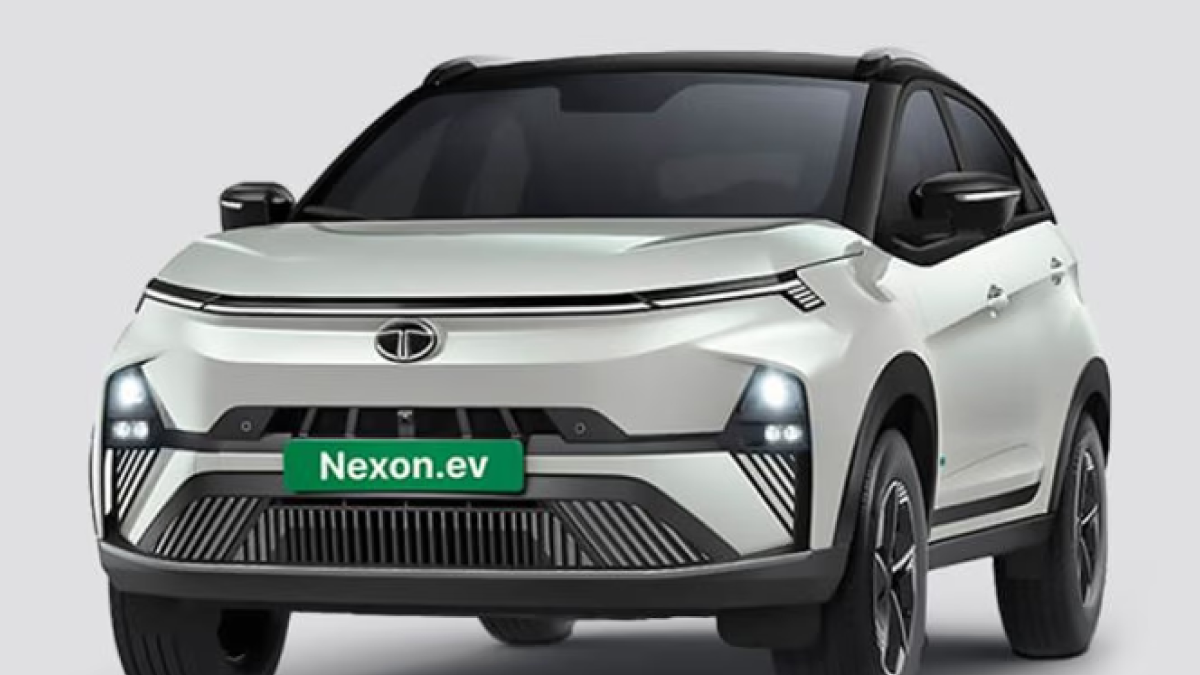
The National Capital is hitting the accelerator on its green journey. On April 11, 2026, the Delhi government unveiled its highly anticipated Draft EV Policy 2.0 (2026-2030), signaling a massive shift in how India’s most polluted city intends to breathe. The headline? A total road tax waiver for electric vehicles, but with a strategic twist: the “luxury wall.”
By capping benefits at the ₹30 lakh mark, Delhi is sending a clear message: the future of mobility is electric, but the subsidies are for the masses, not the elite.
The ₹30 Lakh Cap: Prioritizing the “Aam Aadmi”
In a move to ensure fiscal responsibility while maximizing environmental impact, the new policy proposes a 100% road tax and registration fee waiver for electric cars priced at or below ₹30 lakh (ex-showroom).
This benefit, valid until March 31, 2030, makes popular models like the Tata Nexon EV, MG ZS EV, and the upcoming Mahindra XEV series significantly more affordable. However, for those eyeing a luxury EV from Mercedes-Benz or BMW, the policy introduces a “luxury tax wall.” Any electric vehicle priced above the ₹30 lakh threshold will be ineligible for tax exemptions, potentially adding several lakhs to their on-road price.
A Surprise Win for Hybrids
Perhaps the most debated aspect of the 2026 draft is its treatment of Strong Hybrids. In a departure from purely “EV-only” stances, the Delhi government has proposed a 50% exemption on road tax and registration fees for strong hybrid vehicles.
This is a massive victory for manufacturers like Toyota and Honda. By acknowledging hybrids as a “bridge technology,” the government is providing a middle ground for buyers who aren’t yet ready to go fully electric due to charging infrastructure concerns.
Phasing Out Fossil Fuels: The Hard Deadlines
The policy isn’t just about “carrots” (incentives); it brings some serious “sticks” (restrictions) to ensure Delhi hits its 2030 climate targets:
- Three-Wheelers: Starting January 1, 2027, only electric three-wheelers will be permitted for new registration in Delhi.
- Two-Wheelers: The boldest mandate is a proposed total ban on the registration of new petrol two-wheelers by April 1, 2028.
- School Buses: The draft mandates that 30% of all school bus fleets must be electric by March 2030.
Ownership Impact: A Comparison
| Vehicle Type | Price (Ex-Showroom) | Road Tax Benefit | Policy Goal |
| Affordable EV | ₹15 Lakh | 100% Waiver | Mass Adoption |
| Strong Hybrid | ₹18 Lakh | 50% Waiver | Bridge Technology |
| Luxury EV | ₹85 Lakh | No Waiver | High-End Segregation |
| Petrol/Diesel | Any | Standard Tax | Gradual Phase-out |
The Road Ahead
The Transport Department has opened the draft for public consultation, inviting feedback until mid-May 2026. For the average buyer, this policy could result in savings ranging from ₹1 lakh to ₹2.5 lakh on popular EV models, making the switch to green mobility more of a financial “no-brainer” than ever before.
Would you choose a zero-tax electric car under ₹30 lakh, or does the 50% tax break on hybrids finally make them the better deal for your lifestyle? Let us know in the comments!
