


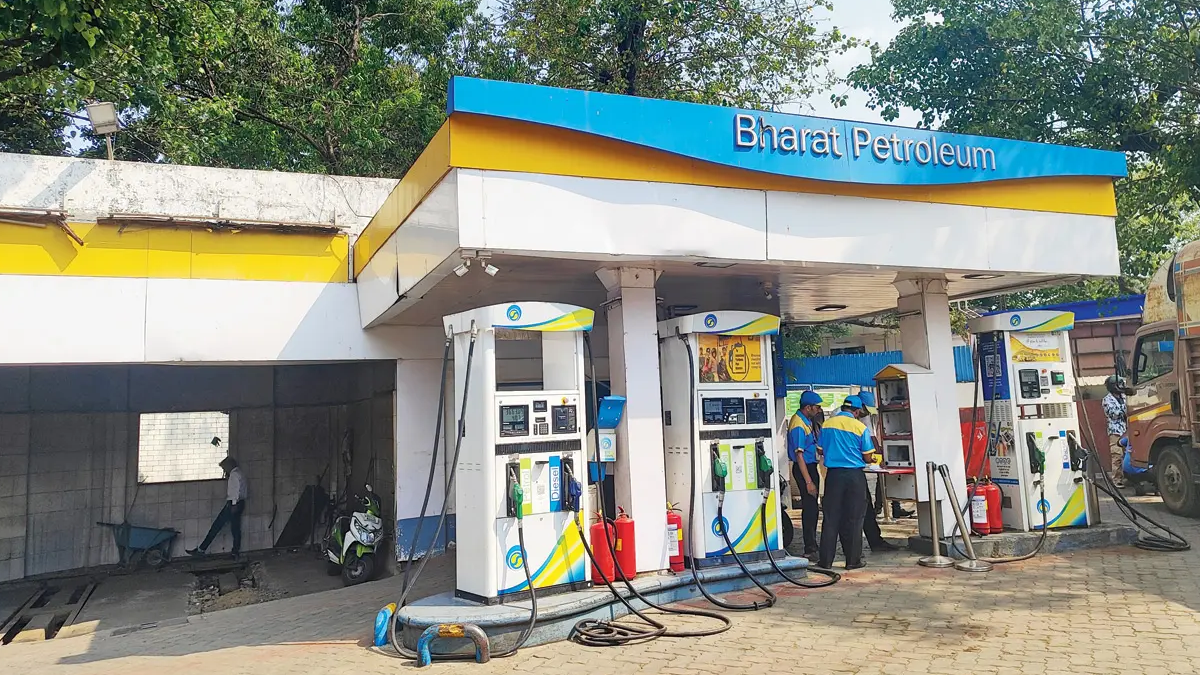
Over the last 48 hours, long queues and “No Stock” boards at petrol pumps in cities like Hyderabad, Srinagar, and Navi Mumbai created a wave of anxiety across the country. However, on March 26, 2026, the Ministry of Petroleum and Natural Gas (MoPNG) issued a definitive clarification: India is not facing a fuel shortage.
In a high-level briefing, the government dismissed reports of a supply crisis as a “deliberate misinformation campaign” designed to trigger panic buying. Officials confirmed that the nation’s fuel infrastructure is robust, with enough reserves to last nearly two months, regardless of global geopolitical shifts.
The Numbers: Why India is Secure
To quell public concern, the Ministry shared hard data regarding India’s current energy buffer.
- 60-Day Reserve: India currently holds a combined stock of crude oil, refined products, and strategic reserves equivalent to 60 days of national consumption.
- Total Capacity: The country has a total storage capacity of 74 days, meaning the current levels are well within a comfortable safety margin.
- Refinery Output: Every Indian refinery is currently operating at over 100% utilization, ensuring a steady stream of petrol and diesel into the domestic market.
What Triggered the Panic?
The tension is largely tied to the ongoing conflict in West Asia and disruptions near the Strait of Hormuz, a critical global chokepoint. While these international events have impacted global shipping, India’s preparation over the last few years has paid off.
- Sourcing Diversification: India has successfully diversified its crude oil sourcing to over 41 countries, including increased volumes from Russia, West Africa, and the Americas.
- Alternative Routes: Nearly 60% of India’s crude imports now arrive via routes unaffected by the Hormuz disruptions, shielding the country from a localized supply shock.
The LPG and Commercial Supply Status
The panic initially began with concerns over LPG (cooking gas) before spilling over into automotive fuels. The government has taken active steps here as well:
- Production Boost: Domestic LPG production has been ramped up by 40%, bringing daily output to 50,000 metric tonnes.
- Secured Cargoes: Over 800,000 metric tonnes of inbound LPG are already en route from the U.S., Australia, and Russia, arriving across 22 import terminals.
- Zero Rationing: The Ministry reiterated that there is no rationing of petrol, diesel, or LPG. Retail outlets are receiving their full quotas, and the supply chain remains uninterrupted.
A Plea for Responsible Consumption
The primary cause of the “No Stock” boards seen at some stations wasn’t a lack of fuel, but a sudden surge in demand. When panic buying occurs, it places an artificial strain on the “last-mile” logistics—the trucks that deliver fuel from depots to pumps.
Oil Marketing Companies (OMCs) like Indian Oil, BPCL, and HPCL have urged citizens to maintain their “normal consumption patterns.” Stockpiling fuel at home is not only unnecessary but also poses a significant fire hazard.
The Bottom Line
India remains the world’s fourth-largest refiner and a net exporter of petroleum products. With procurement for the next 60 days already secured and prices remaining stable, the message from New Delhi is clear: Stay calm, ignore unverified social media forwards, and rely only on official government channels.
Image Source: PICS/SARTHAK MEHTA
