


As the winter season approaches, air quality management takes center stage in the National Capital Region (NCR). Delhi Chief Minister Rekha Gupta announced a series of strict anti-pollution directives under the state’s comprehensive Winter Action Plan.
Starting November 1, 2026, non-BS6 compliant vehicles registered outside of Delhi will be prohibited from entering the capital. This restriction will remain in force through January 31, 2027, while the wider Winter Action Plan measures will continue until February 28, 2027.
Alongside the entry restrictions, the government is reinstating the strict “No PUC, No Fuel” policy, doubling municipal parking tariffs, staggering public office hours, and mandating remote work for corporate hubs. Below is a complete breakdown of what commuters, outstation drivers, and Delhi residents need to know to remain compliant and avoid heavy fines.
1. Non-BS6 Vehicle Entry Ban: Who Is Affected?
The cornerstone of the winter pollution playbook targets high-emission vehicles crossing into Delhi from neighboring states like Uttar Pradesh, Haryana, Rajasthan, and Punjab.
| Vehicle Category / Registration Status | Operational Status Under November 1 Rules | Key Exemptions & Exceptions |
| Non-BS6 Vehicles (Registered Outside Delhi) | Banned from Entry (Nov 1, 2026 – Jan 31, 2027) | None; strict border enforcement at all entry check-posts. |
| BS6-Compliant Petrol & Diesel Vehicles | Allowed Entry | Must carry a valid Pollution Under Control (PUC) certificate. |
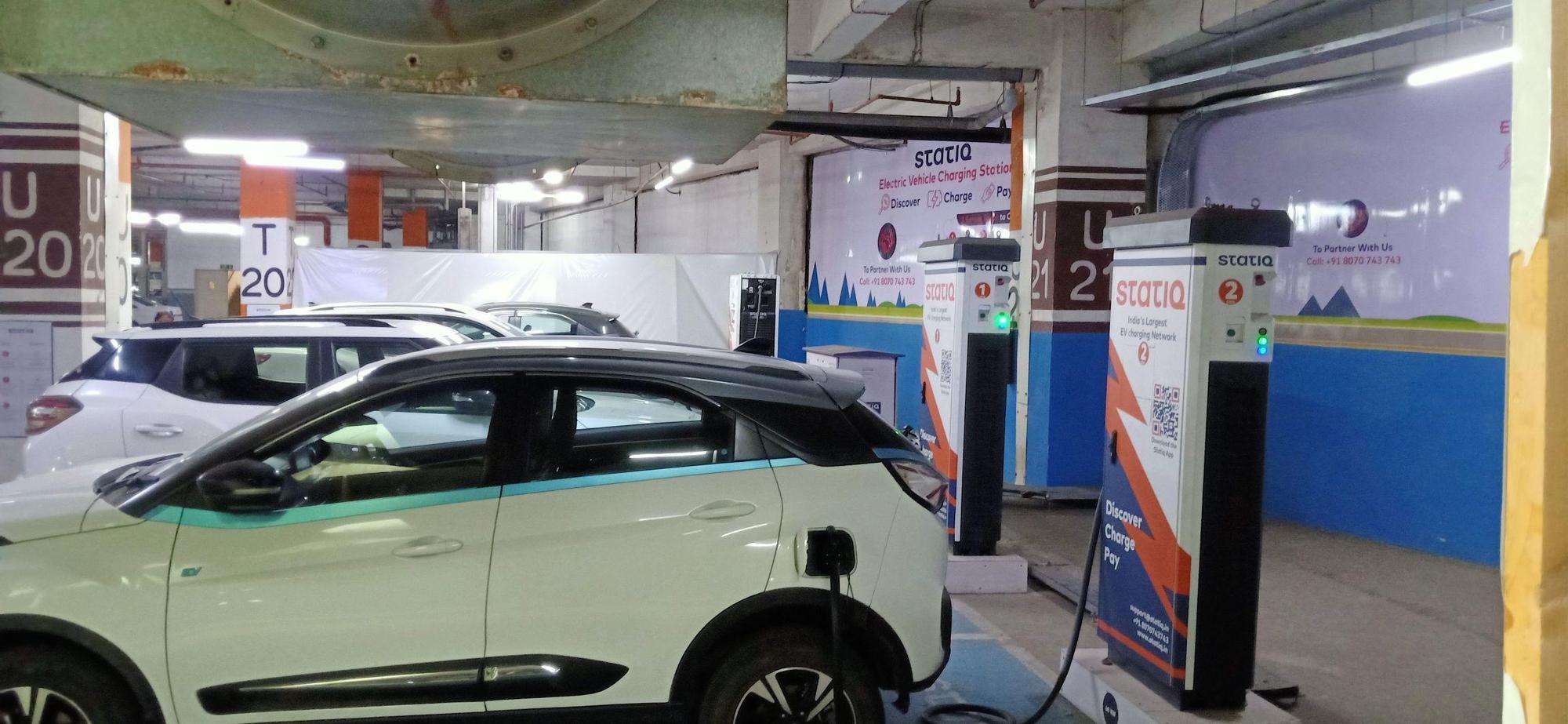
| Electric Vehicles (EVs) | Exempt & Allowed Entry | Unrestricted access across all border check points. |
| CNG & LPG Vehicles | Exempt & Allowed Entry | Unrestricted access with a valid PUC certificate. |
| Essential Service Vehicles | Exempt & Allowed Entry | Applies to ambulances, medical supplies, and food transport. |
| Vehicles Registered in Delhi | Not Restricted Under Entry Ban | Subject to GRAP restrictions based on daily AQI levels. |
2. “No PUC, No Fuel” Enforcement Across Delhi
To ensure that internal combustion vehicles operating within the capital maintain optimal emission standards, fuel stations across Delhi will enforce a strict “No PUC, No Fuel” mandate.
- Policy Scope: Petrol pumps across the National Capital Territory (NCT) will refuse petrol, diesel, CNG, or LPG to any vehicle that cannot produce a valid PUC certificate.
- Verification Protocol: Fuel station attendants will verify certificates manually or through digital database scanners connected to the Parivahan portal before dispensing fuel.
- Non-Exempt Status: Drivers of CNG and petrol vehicles who are exempt from the outstation entry ban must still hold a valid PUC certificate to purchase fuel at any Delhi pump.
3. Parking Fees Doubled and Transit Push
To actively reduce private vehicle usage and encourage public transit adoption, municipal authorities are doubling daily parking rates.
Parking Tariff Revisions
- Municipal Corporation Facilities: Rates at all parking lots managed by authorized municipal bodies will double starting November 1.
- Delhi Metro Parking Lots Excluded: Parking facilities operated directly by the Delhi Metro Rail Corporation (DMRC) are exempt from the price hike to encourage commuters to park at metro hubs and take trains.
- Increased Public Transit Capacity: The Delhi government and DMRC are deploying additional electric feeder buses and increasing train frequency during peak hours to support the modal shift.
4. Staggered Office Hours and Work-From-Home Directives
To prevent morning and evening traffic bottlenecks—which worsen localized air pollution through idling engines—the government has revised work hours for administrative and private offices.
| Workplace Sector | Mandated Working Hours / Operational Format | Strategic Intent |
| Municipal Corporation of Delhi (MCD) | 8:30 AM – 5:00 PM | Shifts municipal employees out of standard 9:00 AM rush hours. |
| Delhi Government Central Offices | 10:00 AM – 6:30 PM | Staggers government staff transit from morning corporate traffic. |
| Private Corporate Offices | 50% Work-From-Home (WFH) | Reduces overall daily passenger vehicle commutes by half. |
5. Commuter Checklist: Actions to Take Before November 1
If you plan to drive in or travel into Delhi during the winter months, complete the following steps to ensure a smooth journey:
- Verify Your Emission Standard: Check your vehicle’s registration certificate (RC) to confirm whether your engine meets BS6 (Bharat Stage VI) standards.
- Renew Your PUC Certificate: Visit an authorized testing kiosk to get an updated PUC certificate before visiting any Delhi fuel station.
- Plan Alternative Routes / Transit: Outstation drivers with non-BS6 petrol or diesel vehicles should plan to park at peripheral NCR metro stations (e.g., Noida, Gurgaon, Ghaziabad) and use the Delhi Metro network.
- Download Digital Documents: Carry digital copies of your RC, insurance, and PUC on official apps like mParivahan or DigiLocker for instant border verification.
Summary Overview
Delhi’s winter pollution plan combines border entry bans, fuel pump restrictions, increased parking costs, and office scheduling adjustments. Drivers traveling into the capital must ensure their vehicles comply with BS6 standards or utilize green powertrains like EVs or CNG to avoid turned-away journeys and heavy penalties at border checkpoints.
