


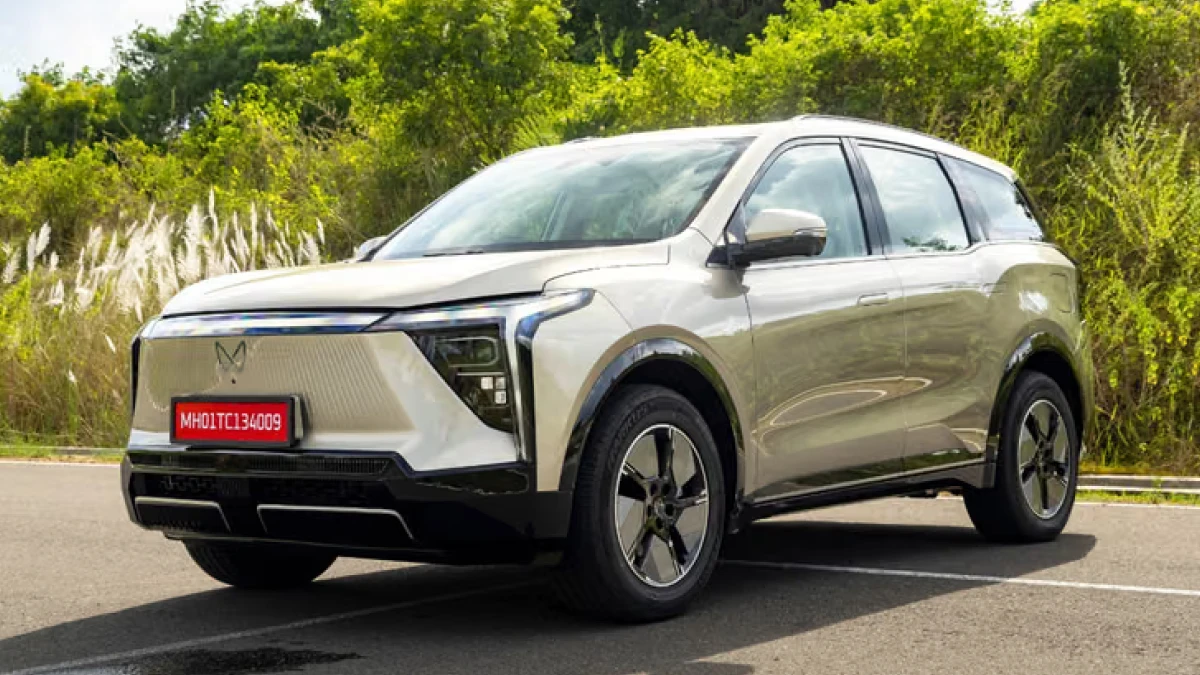
India is preparing for a major structural transformation in its automotive regulatory environment. Beginning April 1, 2027, the Government of India will enforce the Corporate Average Fuel Economy Phase 3 (CAFE 3) regulations. Running through March 31, 2032, this policy establishes a stricter framework designed to lower fleet emissions, boost fuel efficiency, and accelerate the adoption of alternative powertrains.
Rather than enforcing a blanket mandate for pure electric vehicles, CAFE 3 introduces a flexible, tech-inclusive roadmap. By recognizing strong hybrids, plug-in hybrids, range extenders, flex-fuel vehicles, and battery electric vehicles through a system of super credits, the regulation allows automakers to tailor their technology strategies to consumer demand while meeting tight national efficiency goals.
1. What Are CAFE Norms?
Corporate Average Fuel Economy (CAFE) standards target the overall fuel consumption of an automaker’s sales fleet rather than imposing individual limits on specific car models.
Under CAFE regulations, compliance is calculated using a sales-weighted average of every vehicle sold by a manufacturer within a given financial year. This structure gives automakers room to sell larger or higher-emitting utility vehicles, provided those sales are offset by a sufficient volume of low- or zero-emission vehicles.
$$\text{Fleet Average Fuel Consumption} = \frac{\sum (\text{Model Fuel Consumption} \times \text{Units Sold})}{\text{Total Fleet Units Sold}}$$
If a carmaker’s sales-weighted average remains below the designated regulatory ceiling, the fleet is fully compliant. Exceeding the target results in financial penalties under the Energy Conservation Act, along with requirements to offset shortfalls using earned or purchased compliance credits.
2. Progressive Fuel Economy Targets (2027–2032)
CAFE 3 establishes annual benchmark reductions over a five-year period. Targets are calculated against a revised reference fleet mass of 1,229 kg (increased from 1,082 kg under CAFE 2) to better reflect the growing market share of larger hatchbacks and SUVs.
The baseline fuel efficiency requirement tightens progressively from 3.9960 liters per 100 km in FY 2027–28 to 3.3273 liters per 100 km by FY 2031–32.
| Financial Year | Fuel Efficiency Benchmark (L/100 km) | Estimated CO₂ Benchmark (g/km) | Annual Reduction |
| FY 2027–28 | 3.9960 | 95.0 | Baseline |
| FY 2028–29 | 3.8600 | 91.5 | 3.40% |
| FY 2029–30 | 3.7585 | 89.1 | 2.63% |
| FY 2030–31 | 3.5313 | 83.7 | 6.05% |
| FY 2031–32 | 3.3273 | 79.0 | 5.78% |
Over the full five-year cycle, this structure demands a cumulative 16.73% improvement in overall fleet efficiency across all automakers selling passenger cars in India.
3. The Role of Super Credits Across Powertrains
A core feature of the CAFE 3 framework is the super credit system. To encourage manufacturers to invest in cleaner technologies, eligible low- and zero-emission vehicles count as multiple units when calculating fleet average fuel consumption.
For instance, selling a single battery electric vehicle under a 3.0x credit multiplier counts as selling three zero-emission units in the fleet calculation, significantly lowering the manufacturer’s official average.
| Powertrain Technology | Super Credit Multiplier | Strategic Regulatory Purpose |
| Battery Electric Vehicles (BEV) | 3.0x | Maximize incentives for pure zero-emission drivetrains |
| Range-Extended EVs (REEV) | 3.0x | Provide parity for electric vehicles using auxiliary generator engines |
| Plug-In Hybrids (PHEV) | 2.5x | Support vehicles combining grid charging with internal combustion engines |
| Flex-Fuel Strong Hybrids | 2.5x | Incentivize self-charging hybrid systems optimized for high ethanol blends |
| Strong Hybrids (HEV) | 1.6x | Lower fleet fuel consumption without reliance on external charging |
| Flex-Fuel Ethanol (E85/E100) | 1.1x | Support the national transition toward higher bio-ethanol blends |
4. Multi-Year Compliance Blocks and Credit Trading
To accommodate product development cycles and market fluctuations, CAFE 3 structures compliance into two operational multi-year blocks:
- Block 1: FY 2027–28 to FY 2029–30 (3 Years)
- Block 2: FY 2030–31 to FY 2031–32 (2 Years)
Banking and Offsetting Within Blocks
Automakers can log annual debits or surplus credits in a regulatory ledger. Savings earned in early years of a block can offset shortfalls in later years of the same block. Unused credits expire at the end of each block and cannot be carried forward into future regulatory cycles.
Inter-OEM Trading and Buyouts
If an automaker ends a multi-year block with a net deficit, it may purchase surplus credits from compliant manufacturers during an annual trading window (October 1 to October 31). Shortfalls that remain unresolved can be cleared directly through designated regulatory payments overseen by the Bureau of Energy Efficiency (BEE):
- Block 1 Surcharge (FY28–FY30): ₹4,000 per g CO₂/km deficit
- Block 2 Surcharge (FY31–FY32): ₹4,500 per g CO₂/km deficit
5. Efficiency Offsets and Fuel Deductions
Manufacturers can earn additional compliance margins by integrating certified energy-saving vehicle features and incorporating renewable fuels.
Certified Efficiency Technologies
Automakers can claim up to 1.0 g CO₂/km per qualifying technology, up to a maximum cumulative cap of 9.0 g CO₂/km (~0.3795 L/100 km equivalent reduction) across 12 approved features:
- Automatic Engine Start-Stop Systems
- Tyre Pressure Monitoring Systems (TPMS)
- High-Efficiency Alternators
- Integrated Starter-Generator (ISG) Micro-Hybrid Systems
- All-LED Exterior Lighting Sets
- Solar-Control Window Glazing (SHGC $\le$ 58%)
- Variable-Speed Electric Water Pumps
- Energy-Efficient HVAC Units
- Solar Reflective Body Coatings
- Regenerative Braking Systems
- Transmissions with 6 or More Forward Ratios
- Advanced Engine Thermal Management Systems
Fuel Carbon Neutrality Factors
CAFE 3 adjusts calculation baselines based on the renewable energy content of alternate fuels through Carbon Neutrality Factors (CNF):
- Compressed Natural Gas (CNG): Benefits from a minimum 5% baseline adjustment, with additional credit linked to certified Bio-CNG blending.
- Ethanol Blends: Allows direct carbon offset deductions based on certified fuel blend ratios.
- Bio-Diesel Formulations: Provides proportional adjustments aligned with official blending standards.
6. Powertrain Energy Equivalency Conversions
To maintain a uniform reporting standard across diverse energy sources (petrol, diesel, gaseous fuels, and grid electricity), CAFE 3 converts all energy types into petrol-equivalent liters per 100 km using standard engineering factors.
| Fuel / Energy Source | Primary Unit | Energy Conversion Multiplier to Petrol Equivalent |
| Petrol | Liters / 100 km | 1.0000 (Baseline) |
| Diesel | Liters / 100 km | 1.1168 |
| Compressed Natural Gas (CNG) | kg / 100 km | 1.1563 |
| Liquefied Petroleum Gas (LPG) | Liters / 100 km | 0.6857 |
| Electrical Energy | kWh / 100 km | 0.1028 |
7. What CAFE 3 Means for Carmakers and Buyers
The implementation of CAFE 3 will influence fleet engineering, model line-ups, and vehicle pricing across the Indian market.
Impact on Automobile Manufacturers
- Uniform Mass Scaling: The final policy does not offer special weight exemptions for sub-4-meter entry-level cars. Budget models with traditional petrol engines will need micro-hybrid systems, weight reductions, or high-efficiency transmission options to maintain fleet compliance.
- Broader Hybrid Adoption: Models like the Maruti Grand Vitara, Toyota Urban Cruiser Hyryder, and Toyota Innova Hycross demonstrate how strong hybrids lower fleet consumption without requiring public charging infrastructure. The 1.6x to 2.5x super credit multiplier will likely prompt automakers to expand hybrid options across mid-size SUVs and sedans.
- Increased Electric Vehicle Investments: Auto manufacturers will utilize the 3.0x BEV super credit multiplier to offset higher fuel consumption numbers from larger utility vehicles, accelerating planned EV launches.
- Alignment with Global Test Standards: Reporting requirements will shift to the Worldwide Harmonized Light Vehicles Test Procedure (WLTP), replacing the older Modified Indian Drive Cycle (MIDC) for official compliance measurements.
What It Means for Car Buyers
- More Powertrain Choices: Dealership showrooms will feature an expanded variety of options, including strong hybrids, plug-in hybrids, flex-fuel variants, and pure battery electric vehicles across multiple price points.
- Standardized High-Efficiency Features: Features such as LED headlights, tire pressure monitoring systems, automatic start-stop, and solar-reflective glass will increasingly become standard equipment even on mid-range and entry-level trims.
- Transition Away from Non-Electrified Engines: Higher-displacement, pure internal combustion engines will face mounting regulatory costs, encouraging a transition toward downsized turbocharged petrol engines, self-charging hybrid setups, and fully electric drivetrains.
