


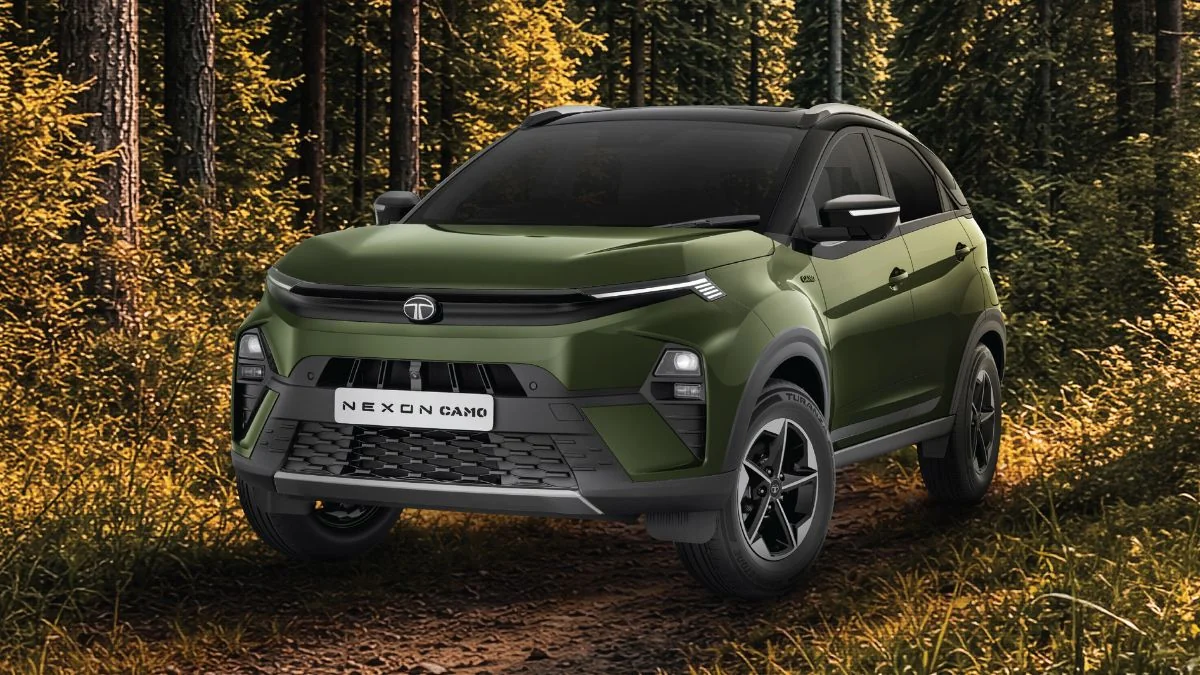
Tata Motors Passenger Vehicles Ltd (TMPV) has officially announced a price revision across its domestic passenger car and SUV lineup, effective September 1, 2026. Under this latest pricing structure, vehicle prices will increase by up to ₹25,000, with the specific quantum depending on the model, variant, and powertrain configuration.
The adjustment applies across the manufacturer’s entire multi-powertrain portfolio, covering Internal Combustion Engine (ICE) vehicles—petrol, diesel, and twin-cylinder iCNG variants—as well as the company’s market-leading electric vehicle (EV) fleet.Coming roughly two months after a prior 1.5% portfolio price adjustment in July 2026, this move highlights how sustained input cost pressures are forcing automakers to adjust pricing right before the peak Indian festive shopping season.
2026 Tata Motors Passenger Vehicle Lineup: Current Pricing & Estimated Hikes
Tata Motors operates one of the broadest passenger vehicle portfolios in India, spanning entry-level city hatchbacks, sub-compact crossovers, midsize SUVs, and specialized EV architectures.Rather than applying a flat percentage increase across the board, the company is using a variant-specific structure capped at a maximum of ₹25,000.
The table below outlines current ex-showroom starting prices alongside estimated revised price brackets following the September 1 update:
| Vehicle Category | Model Name | Available Powertrains | August 2026 Price Range (Ex-Showroom) | Estimated Price Revision Quantum |
| Entry Hatchback | Tata Tiago | Petrol, Twin-Cylinder iCNG | ₹4.70 Lakh – ₹8.55 Lakh | ₹3,000 – ₹7,000 |
| Compact Sedan | Tata Tigor | Petrol, Twin-Cylinder iCNG | ₹5.55 Lakh – ₹8.84 Lakh | ₹4,000 – ₹8,000 |
| Premium Hatchback | Tata Altroz | Petrol, Diesel, iCNG | ₹6.30 Lakh – ₹10.77 Lakh | ₹5,000 – ₹10,000 |
| Micro SUV | Tata Punch | Petrol, iCNG | ₹5.70 Lakh – ₹10.67 Lakh | ₹6,000 – ₹12,000 |
| Compact SUV | Tata Nexon | Petrol, Diesel, iCNG | ₹7.40 Lakh – ₹14.10 Lakh | ₹8,000 – ₹15,000 |
| Coupe SUV | Tata Curvv | Petrol, Diesel | ₹9.76 Lakh – ₹18.96 Lakh | ₹10,000 – ₹18,000 |
| Midsize Lifestyle SUV | Tata Sierra | Petrol | ₹11.49 Lakh – ₹21.29 Lakh | ₹12,000 – ₹20,000 |
| Flagship Midsize SUV | Tata Harrier | Diesel | ₹13.00 Lakh – ₹25.40 Lakh | ₹15,000 – ₹25,000 |
| 3-Row Flagship SUV | Tata Safari | Diesel | ₹15.49 Lakh – ₹27.30 Lakh | ₹15,000 – ₹25,000 |
Macroeconomic Drivers: Why Are Car Prices Rising in 2026?
Automotive original equipment manufacturers (OEMs) in India are navigating a complex economic environment characterized by persistent commodity cost inflation, supply chain adjustments, and currency fluctuations.Tata Motors explicitly attributed the September price revision to sustained operational pressures and rising raw material costs.
| Economic Cost Factor | Industry Mechanism & Driver | Operational Impact on Manufacturing Margins |
| Commodity Cost Inflation | Increased prices for industrial metals (steel, aluminum, copper) | Commodity procurement costs rose by 4.5% in Q1 FY27, with an expected 3.0% additional growth in Q2 FY27. |
| EV Battery Raw Materials | Price fluctuations in battery-grade lithium, nickel, and cobalt | Battery pack procurement costs rose ~10% over recent months, placing cost pressure on the electric portfolio. |
| Foreign Exchange Volatility | Rupee depreciation against major international currencies | Increases the landed cost of imported microcontrollers, sensor arrays, and ADAS sub-assemblies. |
| Operating Overheads | Higher freight rates, factory logistics, and employee costs | Narrows passenger vehicle operating margins, which fell to 7.4% prior to the pricing adjustment. |
Direct Impact on Tata Passenger Electric Mobility (TPEM) Lineup
A significant aspect of this price update is its inclusion of Tata’s electric vehicle portfolio. As the market leader holding over 65% of India’s passenger EV sales, Tata Passenger Electric Mobility (TPEM) sets the pricing benchmark across the affordable electric vehicle space.
The table below breaks down current pricing across Tata’s EV portfolio:
| Electric Model Name | Platform Architecture | Battery Options Available | August 2026 Price Range (Ex-Showroom) | Expected Impact of Price Hike |
| Tata Tiago EV | Converted X0 Architecture | 19.2 kWh / 24.0 kWh | ₹6.99 Lakh – ₹9.99 Lakh | Minor increases on Medium & Long Range trims |
| Tata Tigor EV | Converted X0 Architecture | 26.0 kWh Pack | ₹12.49 Lakh – ₹13.75 Lakh | Incremental adjustments across fleet/private trims |
| Tata Punch EV | Dedicated acti.ev Pure EV | 25.0 kWh / 35.0 kWh | ₹9.69 Lakh – ₹12.79 Lakh | Revisions across Smart, Adventure & Empowered trims |
| Tata Nexon EV | Gen-2 EV Architecture | 30.0 kWh / 40.5 kWh | ₹12.49 Lakh – ₹17.49 Lakh | Adjustments across Creative & Fearless variants |
| Tata Curvv EV | acti.ev Platform | 45.0 kWh / 55.0 kWh | ₹16.99 Lakh – ₹21.99 Lakh | Mid-tier to top-tier variant adjustments |
| Tata Sierra EV | acti.ev Platform | 55.0 kWh / 65.0 kWh | ₹18.79 Lakh – ₹25.99 Lakh | Upper-tier adjustments reaching near the ₹25k cap |
Industry Context: How Tata’s Decision Aligns with Rival OEMs
Tata Motors is not the only automaker revising vehicle prices ahead of the festive season.Several major manufacturers operating in India have announced similar price revisions to offset cumulative inflation.
| Automotive Manufacturer | Effective Date of Revision | Confirmed Quantum of Price Hike | Strategic Focus & Portfolio Coverage |
| Tata Motors | September 1, 2026 | Up to ₹25,000 | Full portfolio update covering ICE, iCNG, and EV lineups |
| Hyundai Motor India | September 1, 2026 | Up to 1.0% across models | Broad-based adjustment across petrol, diesel, and electric cars |
| Maruti Suzuki India | August 2026 | Up to ₹30,000 (Model-dependent) | Focused adjustments on high-demand ARENA and NEXA models |
| Mahindra & Mahindra | Q3 2026 (Projected) | Model-dependent revisions | Targeted updates across monocoque and ladder-frame SUVs |
Strategic Implications & Advice for Prospective Buyers
Implementing a price revision on September 1 places the adjustments right before the peak of India’s festive buying period—traditionally the highest volume sales quarter for the domestic auto industry.
Strategic Buying Recommendations
- Price Lock-in via Early Booking: Buyers looking to purchase a Tata vehicle in the coming weeks should finalize their orders and confirm price lock-in agreements before August 31 to avoid the revised September rates.
- Evaluating Variant-Specific Price Caps:Because the maximum ₹25,000 price increase primarily impacts top-tier trims of larger models like the Harrier, Safari, and Sierra EV, entry-level hatchbacks (Tiago, Altroz) will experience far smaller price adjustments.
- Factoring in Festive Consumer Offers: While ex-showroom prices are going up, manufacturers and authorized dealerships routinely introduce seasonal retail benefits, exchange bonuses, and corporate discounts during the festive period, which can help offset the base price adjustment.
