


For years, critics claimed Toyota was falling behind by not fully committing to an electric vehicle (EV) revolution. Instead of rushing to build an all-electric lineup, the Japanese automotive giant stuck to what it does best: bulletproof reliability and practical hybrid technology.
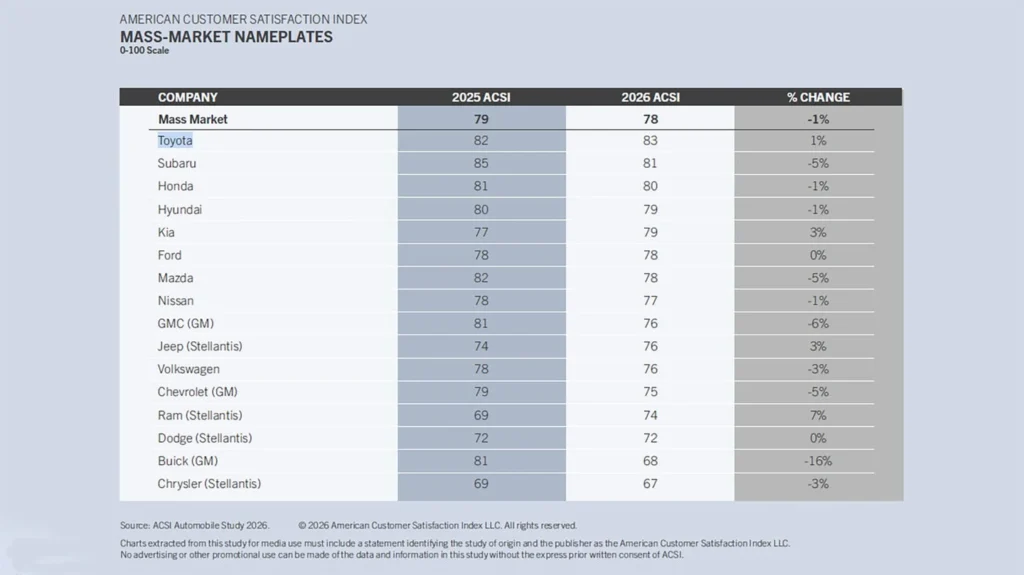
Now, the data is in, and it proves Toyota was absolutely right. According to the newly released 2026 American Customer Satisfaction Index (ACSI) Automobile Study, Toyota has officially topped the charts as the automaker with the most satisfied customers. The findings confirm a major shift in the industry—EVs are struggling to meet consumer expectations, while hybrids are dominating the future of mobility. Here is a data-driven look at why buyers continue to trust Toyota’s legendary reliability and why their hybrid strategy is winning over drivers in India and across the globe.
At a Glance
| Topic | Key Insight from 2026 Data |
| Top Automaker | Toyota ranks #1 in the 2026 ACSI with an industry-leading score. |
| Hybrid vs. EV | Hybrids scored higher in overall satisfaction; pure EVs dropped significantly. |
| Brand Strength | Unmatched reputation for Japanese reliability, durability, and long-term value. |
| Key Strategy | Focusing on accessible, fuel-efficient hybrids rather than expensive BEVs. |
| Takeaway | Toyota’s long-term vision of multi-pathway electrification has been validated by consumers. |
What the 2026 ACSI Data Reveals About Toyota
The 2026 American Customer Satisfaction Index (ACSI) offers a crystal-clear look at what modern car buyers actually want. As affordability pressures intensify and average new car payments soar globally, consumers are heavily scrutinizing reliability, resale value, and the total cost of ownership.
In this demanding landscape, Toyota surged to the top, gaining an industry-leading satisfaction score. Industry researchers explicitly state that Toyota’s continued success is deeply rooted in its strategic decision to focus on self-charging hybrids rather than forcing fully electric vehicles onto buyers. By continuing to offer a wide range of highly fuel-efficient hybrid SUVs and sedans, Toyota gave buyers exactly what they asked for.
The Truth in the Numbers: Why Hybrids Are the Real Future, Not EVs
For a long time, the automotive narrative was that pure EVs were the inevitable future. The 2026 ACSI data forcefully challenges that notion.
When analyzing customer satisfaction across all powertrain types, hybrid vehicles emerged as the undisputed champions, delivering the highest satisfaction scores while electric vehicles (EVs) plunged to the bottom of the pack.
Why are buyers rejecting EVs in favor of Toyota’s hybrids?
- No Range Anxiety: Hybrids offer massive driving ranges without the stress of hunting for a functioning public charging station.
- Cost of Ownership: EVs carry high upfront costs and concerns over long-term battery replacement. Hybrids offer a more affordable entry point and legendary longevity.
- Everyday Practicality: For the vast majority of global and Indian drivers, self-charging hybrids require absolutely zero changes to their daily habits.
The numbers do not lie: Toyota saw the infrastructure limitations and consumer hesitation surrounding EVs years ago. By sticking to hybrids, they effectively future-proofed their lineup.
Why Toyota Has Earned a Reputation for Reliability
You do not hit the #1 spot on a national satisfaction index by accident. People inherently trust the Japanese car brand because of its obsessive commitment to manufacturing quality.
Toyota’s engineering philosophy prioritizes gradual, extensively tested refinements over rushing untested software or battery tech to the market. For the average buyer, this translates to:
- Incredible Longevity: It is incredibly common for Toyota engines to cross 300,000 kilometers with just routine maintenance.
- High Resale Value: Because the used market trusts the badge, Toyotas depreciate far slower than their American or European luxury counterparts.
- Low Maintenance Costs: Buyers are increasingly evaluating vehicles through a “value-for-money lens.” Toyota’s minimal service costs make it the safest financial bet in the industry.
Toyota Models That Reflect This Winning Strategy
Toyota’s lineup perfectly reflects the data. Rather than abandoning practical family haulers like other automakers, Toyota doubled down on hybridizing its most popular nameplates in India and globally:
| Model | Core Technology | Market Impact |
| Toyota Urban Cruiser Hyryder | Self-Charging / Mild Hybrid | Spearheaded mass-market hybrid adoption in India’s fiercely competitive compact SUV segment. |
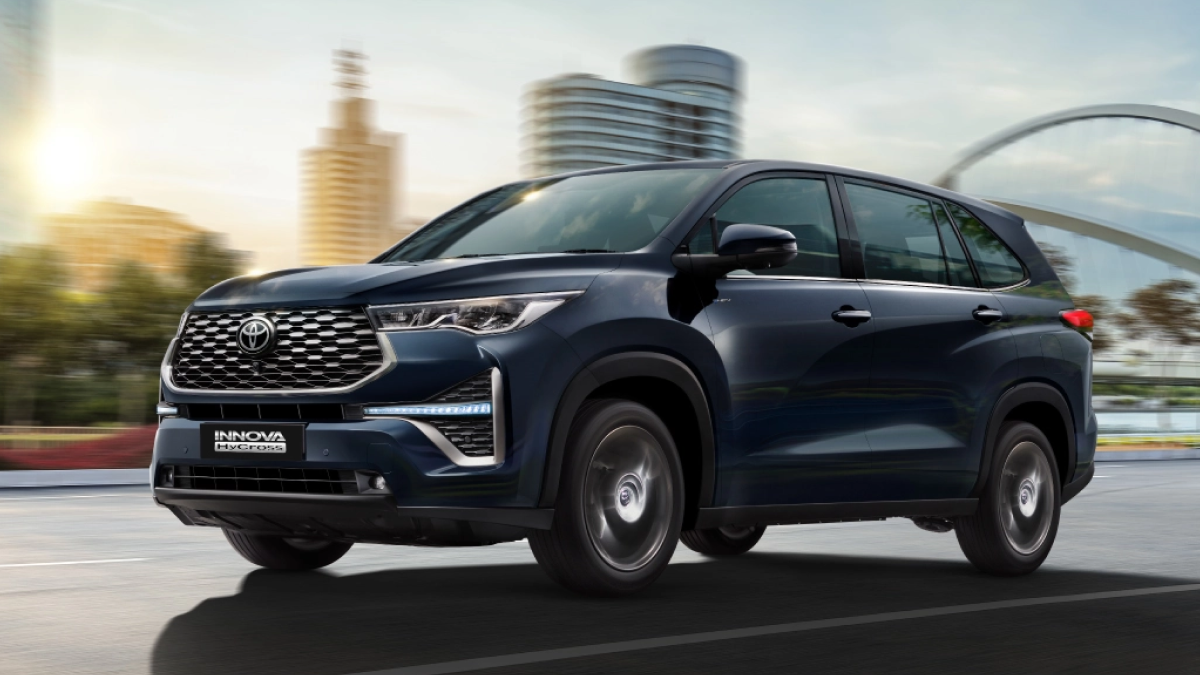
| Toyota Innova HyCross | Self-Charging Hybrid | Completely dominates the premium family MPV segment in India with massive waitlists. |
| Toyota Camry | Self-Charging Hybrid | Proved executive luxury sedans are far from dead, remaining a staple for Indian corporate buyers. |
| Toyota Vellfire | Self-Charging Hybrid | Defines ultra-luxury, eco-conscious commuting for India’s elite and VIPs. |
| Toyota RAV4 (Global Reference) | Self-Charging / Plug-in Hybrid | Switched to exclusively hybrid powertrains globally for 2026 due to overwhelming consumer demand. |
The Luxury Market Convergence
Another fascinating insight from the 2026 ACSI data is the collapse of the luxury vehicle advantage. For the first time in recent measurement history, the luxury car segment offers essentially zero customer satisfaction advantage over mass-market brands.
When someone is making payments on a vehicle for six or seven years, reliability and value matter more than the badge. Indian buyers are quickly realizing that a fully loaded, ultra-reliable Toyota Innova HyCross or Camry often provides a vastly superior, stress-free ownership experience compared to an expensive, rapidly depreciating luxury EV.
Conclusion
Toyota’s reputation for reliability has been meticulously built over decades of consistent engineering and consumer trust. While the industry rushed blindly toward an EV-only future, Toyota took a calculated, pragmatic approach. The 2026 American Customer Satisfaction Index proves that Toyota was right all along. By investing heavily in highly practical, fuel-efficient hybrids like the Urban Cruiser Hyryder and Innova HyCross, and maintaining its legendary Japanese build quality, Toyota is giving buyers exactly what they want: affordable, reliable mobility without the compromises of a fully electric vehicle.n options that perfectly suit their unique driving patterns and local infrastructure realities.
FAQ
Why is Toyota considered one of the most reliable car brands?
Toyota has built its stellar reputation through highly consistent manufacturing quality, durable engineering, incredibly strong resale value, and dependable ownership experiences over many decades.
Why has Toyota invested so heavily in hybrids?
Hybrids drastically improve fuel efficiency and lower emissions while seamlessly retaining the convenience of refueling at conventional fuel stations. They perfectly suit markets where the electric charging infrastructure is still developing.
Is Toyota against electric vehicles?
No. Toyota currently sells battery-electric vehicles in several global markets while simultaneously investing in hybrids, plug-in hybrids, and hydrogen fuel-cell technology as part of a much broader, flexible electrification strategy. One of their latest EV releases is Urban Cruiser Ebella.
Are hybrids better than EVs?
There is no universal answer to this. Hybrids can be far more practical for some drivers, especially where public charging infrastructure is limited, while pure EVs might be a better fit for drivers with reliable home charging and shorter daily commutes.
Why do many buyers continue to trust Toyota?
The unique combination of proven reliability, strong resale value, widespread service support, and a highly diversified technology strategy has helped Toyota maintain incredibly high levels of consumer confidence worldwide.
Source – Yahoo Autos
