


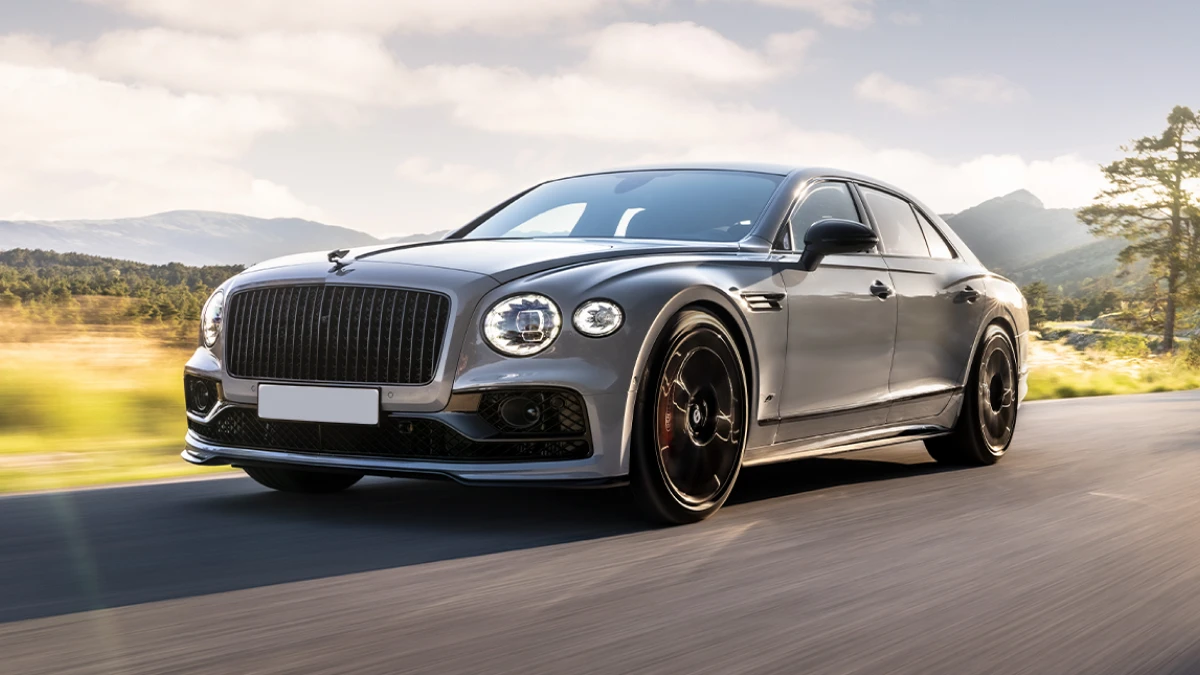
The V8 engine has stood as the ultimate symbol of performance, luxury, and driving excitement for decades. From legendary American muscle cars and German autobahn missiles to howling Italian supercars, the V8 has served as the beating heart of the world’s most iconic vehicles. However, with the rapid shift toward electrification, rising fuel economy standards, and incredibly strict emissions regulations, the future of the internal combustion engine is heavily contested.
So, if the future is electric, why are heavy-hitting brands like Mercedes-AMG, Cadillac, BMW, and Ferrari actively investing in brand-new V8 powertrains? Here is a closer look at the fight to keep the eight-cylinder engine alive and the incredible vehicles still championing combustion.
At a Glance
| Topic | Details |
| Engine Type | V8 Petrol Engine |
| Main Challenge | Strict Emissions Regulations (Euro 7, CAFE, BS6 Phase 2) |
| Industry Shift | Rapid Transition to Hybrid & Electric Vehicles |
| Brands Supporting V8 | Mercedes-AMG, BMW, Land Rover, Ferrari, Aston Martin, Cadillac, General Motors, Stellantis (Ram/Dodge/Jeep), Toyota |
| Future Outlook | Limited, Heavily Hybridized, but Not Extinct |
What Makes the V8 Engine So Special?
The appeal of a V8 goes far beyond raw numbers on a specification sheet; it is a deeply emotional experience. The unmistakable exhaust rumble, the buttery smooth power delivery, and the massive surge of low-end torque create a visceral driving dynamic that smaller engines simply struggle to replicate. Tied inextricably to decades of rich motorsport heritage, the V8 has evolved into a definitive status symbol. In the luxury and performance segments, buyers expect the prestige and acoustic theater that only eight cylinders can provide.
Why Are V8 Engines Disappearing?
Automakers are not dropping V8s entirely by choice. Tougher global emissions regulations make it incredibly difficult for large-displacement engines to survive on modern showroom floors. V8s inherently consume more fuel and produce higher CO₂ emissions. As development costs skyrocket to make these engines globally compliant, many mainstream brands find it significantly cheaper to pivot their strategies toward smaller turbocharged engines or full battery-electric platforms.
Why Enthusiasts Still Love V8 Engines
Despite the blistering, instant acceleration of modern EVs, enthusiasts remain fiercely loyal to the V8. The mechanical engagement of a combustion engine, the building crescendo of the rev range, and the aggressive sound create a soul-stirring connection that silent electric motors completely lack. Furthermore, as V8s become rarer, their heritage and collectibility skyrocket, making them highly desirable assets for driving purists.
Why Carmakers Still Invest in V8s: The Market Breakdown
Automakers understand that abandoning the V8 entirely could alienate their most passionate, high-paying customers. Instead of killing the engine, they are refining it, often pairing it with hybrid technology to ensure it meets emission standards. Here is a look at the spectacular V8-powered vehicles keeping the dream alive today.
1. Performance & Sports Cars
Whether it is an electrified powerhouse or a traditional grand tourer, these cars represent the absolute pinnacle of eight-cylinder excitement on the road.
| Model | Engine Specifications | Power | Price (Ex-Showroom) |
| BMW M5 | 4.4L Twin-Turbo V8 + Hybrid System | 727 HP | ₹1.99 Crore |
| Mercedes-AMG SL 55 | 4.0L Twin-Turbo V8 Roadster | 476 HP | ₹2.35 Crore |
| Aston Martin Vantage | 4.0L Twin-Turbo V8 (AMG-Sourced) | 665 HP | ₹4.25 Crore |
| Ferrari Roma Spider | 3.85L Twin-Turbo V8 | 620 HP | ₹5.30 Crore |
2. High-Performance SUVs
Utility meets supercar-level aggression. These massive SUVs prove that heavy vehicles can still deliver jaw-dropping acceleration and dramatic exhaust notes.
| Model | Engine Specifications | Power | Price (Ex-Showroom) |
| Land Rover Defender | 5.0L Supercharged V8 / 4.4L Octa V8 | 518 HP – 635 HP | From ₹1.52 Crore |
| Porsche Cayenne GTS | 4.0L Twin-Turbo V8 | 500 HP | From ₹1.99 Crore |
| Audi RS Q8 Performance | 4.0L Twin-Turbo V8 | 640 HP | ₹2.49 Crore |
| Mercedes-AMG G63 | 4.0L V8 | 585 HP | ₹3.64 Crore |
| Lamborghini Urus SE | Hybrid V8 Powertrain | 800 HP | ~₹4.6 Crore |
3. Ultra-Luxury Sedans & SUVs
For those who prefer their power delivered with supreme quietness and absolute opulence, these V8 engines are specifically tuned for effortless torque and unmatched refinement.
| Model | Engine Specifications | Power | Price (Ex-Showroom) |
| Mercedes-Maybach S 580 | 4.0L Twin-Turbo V8 | 496 HP | ₹2.69 Crore |
| Range Rover (SV & Auto) | 4.4L V8 | 615 HP | From ₹3.33 Crore |
| Bentley Bentayga V8 | 4.0L V8 | 542 HP | From ₹5 Crore |
Can Hybrid Technology Save the V8?
Ironically, electricity might be the very thing that saves the V8 engine. By integrating plug-in hybrid systems (like seen in the new BMW M5 or the Lamborghini Urus SE), automakers can drastically reduce tailpipe emissions and improve overall fuel efficiency, keeping regulators happy. For the driver, hybrid assistance fills in turbo lag with instant electric torque, creating an even more explosive performance profile while extending the functional lifespan of the combustion engine.
Will V8 Engines Become Collectibles?
Absolutely. As the automotive landscape leans heavier into electrification, discontinued V8 models are already seeing a massive surge in demand. Limited-production performance cars are experiencing incredibly strong resale values. Many modern V8s are instantly crossing into “future classic” territory as driving enthusiasts rush to invest in what may be the final era of pure internal combustion.
Conclusion
The V8 engine isn’t fading away because buyers no longer want it. It is actively battling a relentless wave of strict emissions regulations, rapidly changing technology, and an industry-wide mandate to electrify. Yet, for elite brands like Mercedes-AMG, Land Rover, Porsche, and Ferrari, the V8 remains a fundamental pillar of their brand identity. While its future is destined to be far more exclusive and heavily hybridized, the iconic eight-cylinder engine is not going to vanish overnight. As long as there are enthusiasts willing to pay a premium for the noise, power, and passion, automakers will fight to keep the V8 alive.
