


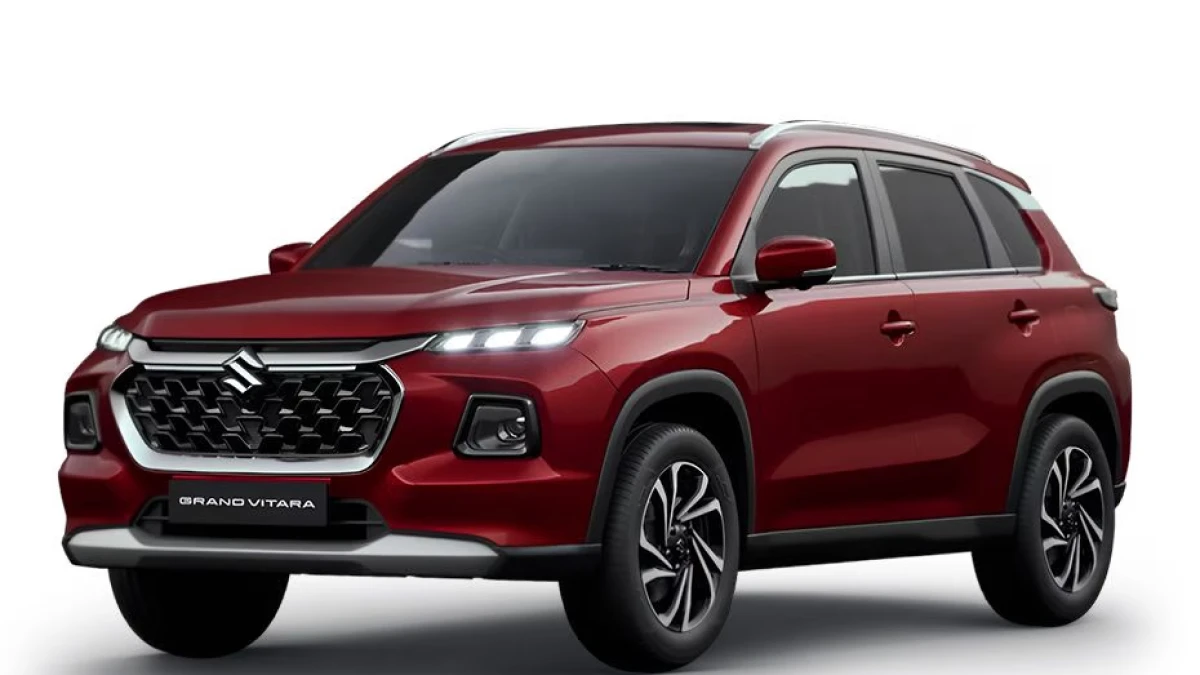
The shift toward greener, ethanol-blended fuels in India has hit a significant legal milestone. In what is being viewed as a landmark decision, the Raipur District Consumer Disputes Redressal Commission recently ordered Maruti Suzuki to replace a customer’s Grand Vitara after severe operational issues linked to E20 petrol.
For buyers and automakers alike, this ruling serves as a massive wake-up call regarding transparency and older dealership inventory. Here is exactly what went down, how the consumer court reacted, and what it means for the future of E20 fuel compatibility in India.
Case Overview: The Grand Vitara Breakdown
The dispute centers around a Maruti Suzuki Grand Vitara Strong Hybrid Zeta+ purchased in June 2024. Despite being bought halfway through 2024, the vehicle was actually manufactured in January 2023.
| Key Case Details | |
| Vehicle Model | Maruti Suzuki Grand Vitara Strong Hybrid Zeta+ |
| Purchase Date | June 2024 |
| Manufacturing Date | January 2023 |
| Core Issue | Engine stalling and performance drops on E20 fuel |
| Court Mandate | Replace the vehicle with an E20-compatible unit |
| Compliance Window | 45 Days |
The Core Complaint
The owner expected the refined, efficient drive typically associated with a strong hybrid. Instead, the vehicle became a headache. The customer reported frequent engine stalling and a noticeable, sustained drop in overall performance.
The SUV spent an unreasonable amount of time at the authorized service center. Mechanics cleaned out the fuel tank multiple times, yet the mechanical gremlins kept returning. To back up his claims with hard data, the consumer had a sample of the vehicle’s fuel tested at a government-recognized laboratory. The lab results reportedly revealed significant ethanol deposits in the system.
The core of the customer’s grievance was straightforward: the dealership never informed him that this specific 2023-manufactured unit was not fully compatible with the E20 fuel that is now standard across many Indian fuel pumps.
The Dealership’s Defense
Maruti Suzuki’s dealership pushed back hard against the replacement request. They argued that the stalling was not due to a manufacturing defect, but rather external contamination from poor-quality fuel pumped by the user. Relying on their standard warranty terms, the dealer claimed that damages arising from bad fuel quality are strictly excluded from coverage, and they outright opposed replacing the SUV.
The Consumer Commission’s Verdict
The Raipur Consumer Commission rejected the dealership’s defense, zeroing in on a critical lack of communication at the point of sale.
The court noted that if a vehicle sitting in stock from early 2023 was not engineered to handle E20 petrol, the dealer had a legal obligation to disclose that fact before closing the sale in 2024. Because the dealership failed to be transparent about the SUV’s fuel compatibility, and because their repeated repair attempts failed to cure the defect, the court deemed it a clear “deficiency in service.”
The Heavy Financial Penalty
The court did not let the automaker off lightly. They ordered the dealership to provide a brand-new, E20-compatible Grand Vitara within 45 days. If they fail to meet this deadline, the financial penalties trigger immediately.
| Compensation Breakdown | Amount / Directive |
| Primary Order | Replacement with an E20-compatible vehicle |
| Vehicle Refund (If not replaced) | Full showroom cost of the vehicle |
| Statutory Refunds | Full RTO charges and Insurance premium |
| Mental Harassment Penalty | ₹1,00,000 |
| Litigation Expenses | ₹10,000 |
| Total Potential Liability | Exceeds ₹21 Lakh |
Why This Ruling Changes the Game
This verdict is largely considered India’s first major consumer court ruling specifically tackling ethanol-blended fuel compatibility. It raises a massive red flag for the auto industry regarding how they sell older stock vehicles. Dealerships can no longer quietly clear out non-compliant inventory without explicitly warning buyers about potential fuel limitations.
While Maruti Suzuki retains the right to appeal this specific ruling, it establishes a powerful precedent that will undoubtedly influence future consumer disputes regarding ethanol blends.
The Government’s Stance on E20
It is vital to view this isolated court case against the broader national backdrop. The Indian government is aggressively promoting E20 fuel (a blend of 20% ethanol and 80% petrol) to slash expensive crude oil imports and reduce vehicular emissions.
Union Minister Nitin Gadkari has consistently maintained that E20 fuel does not damage modern, compatible engines. However, he has openly acknowledged the physics behind the blend, noting that drivers might experience a slight reduction in overall fuel economy due to ethanol’s inherently lower calorific value compared to pure petrol.
The Takeaway
Transparency is no longer optional on the showroom floor. This ruling doesn’t suggest that E20 fuel is inherently dangerous for all cars, but it draws a firm line in the sand: manufacturers and dealers must proactively disclose vehicle specifications and limitations. When fuel standards change, leaving the customer in the dark is a mistake that will now cost dealerships dearly.
