


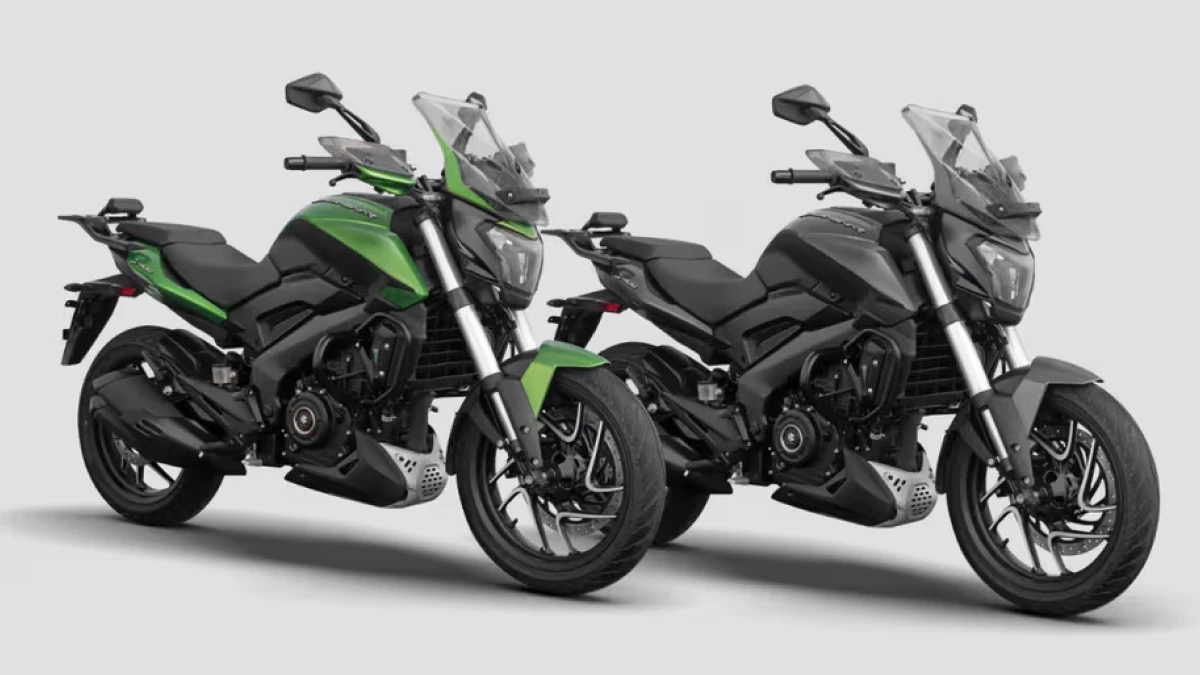
As India accelerates its transition toward green mobility, the mandatory pan-India rollout of E20 petrol has sparked a wave of anxiety among two-wheeler owners. Questions about long-term engine durability, rubber seal degradation, and potential warranty exclusions have left millions of riders seeking concrete answers from manufacturers.
Stepping forward to clear the air, Bajaj Auto has issued a comprehensive corporate reassurance. The Chakan-based auto giant confirmed that every single motorcycle it has manufactured over the last 10 years is fully compatible with E20 fuel. Crucially, the company guaranteed that utilizing this ethanol-blended petrol will have absolutely zero impact on existing product warranties, providing massive relief to millions of riders nationwide.
Decoupling the Portfolio: Bajaj’s Decade of E20 Compatibility
This compatibility mandate goes far beyond Bajaj’s budget commuter lines. Because Bajaj Auto acts as the primary domestic manufacturing partner for several global performance brands, this 10-year readiness window blankets a massive variety of machinery—spanning from ultra-frugal entry-level bikes to premium, high-performance European co-developed platforms.
The architectural matrix below breaks down the major motorcycle sub-brands, engine classifications, and factory-certified compatibility statuses under this 10-year umbrella:
| Manufacturing Segment & Brand Lineup | Core Engine Displacement Spectrum | Factory-Certified Material Status | Warranty Coverage Impact |
| Bajaj Pulsar Range (Classic & NS/N Series) | 125 cc to 250 cc Single-Cylinder | Fully Material-Compliant | No Impact / Entirely Valid |
| KTM Duke, RC, & Adventure Series | 125 cc to 390 cc Performance Liquid-Cooled | Fully Material-Compliant | No Impact / Entirely Valid |
| Triumph Modern Classics (Speed & Scrambler) | 400 cc Single-Cylinder Generation | Fully Material-Compliant | No Impact / Entirely Valid |
| Bajaj Dominar & Avenger Lineup | 160 cc to 400 cc Sports-Touring Series | Fully Material-Compliant | No Impact / Entirely Valid |
| Husqvarna Svartpilen & Vitpilen | 250 cc to 401 cc Scrambler Platforms | Fully Material-Compliant | No Impact / Entirely Valid |
| Bajaj Platina & CT Commuter Series | 100 cc to 125 cc High-Efficiency Motors | Fully Material-Compliant | No Impact / Entirely Valid |
The Secret Weapon: How the Brazilian Market Validated Indian Engineering
Many industry observers have wondered how Bajaj could confidently promise E20 compliance on a motorcycle built back in 2016, long before India’s green fuel roadmaps were codified. The answer lies in the company’s aggressive global export strategy, specifically its operations in Brazil.
Brazil has been a world leader in biofuel implementation for decades, mandating a much harsher E27 standard (27% ethanol blended with petrol) across its domestic stations. Because Bajaj houses a single, centralized global Research & Development hub, the heavy-duty engineering solutions required to survive Brazil’s corrosive, moisture-attracting E27 fuel were quietly integrated directly into their Indian assembly lines a decade ago.
Sumeet Narang, President of Central Marketing at Bajaj Auto Ltd., directly shed light on this proactive design philosophy:
“In a country like Brazil, the fuel type is E27… we sell our bikes over there, which run perfectly well, and we have not received any kind of product complaints for this reason. The engineering expertise developed for Brazil’s E27 fuel market has also been incorporated into motorcycles manufactured for India.”
Demystifying the Chemistry: Why Warranty Matters
Ethanol is inherently hygroscopic, meaning it acts like a sponge, drawing water vapor out of the atmosphere and pulling it directly into the fuel tank. In older, non-compliant engines, this moisture traps corrosive elements that can quickly rot traditional rubber fuel hoses, swell delicate carburetor float seals, and rust structural internal metal. By explicitly standing by their original warranties, Bajaj is confirming that their fuel lines, specialized internal tank coatings, and engine valve seats were engineered with ethanol-resistant materials long before local pumps required them.
Real-World Riding: What Should You Expect at the Pump?
While Bajaj has completely ruled out mechanical failures or structural damage, the company was commendably transparent regarding how ethanol affects your day-to-day commute. Because plant-derived ethanol contains a lower overall energy density than pure fossil fuels, riders may experience a very marginal reduction in overall fuel efficiency (mileage).
However, the brand strongly emphasizes that this micro-drop is almost unnoticeable compared to routine physical variables. Real-world factors such as maintaining accurate tyre pressures, cleaning your drive chain, traffic density, and personal throttle habits have a vastly greater impact on your weekly fuel bill than the E20 blend itself. Furthermore, owners do not need to purchase any expensive aftermarket conversion kits or look for specialized fuel additives to keep their engines running smoothly.
Final Takeaway
Bajaj’s proactive stance sets a reassuring benchmark for India’s entire automotive sector. By confirming that a decade’s worth of products can seamlessly ingest green fuels without risking financial or mechanical issues, they have stripped away the confusion around the E20 transition. Whether you are squeezing through city traffic on a 2017 Pulsar 150 or carving up weekend twisties on a brand-new Triumph Speed 400, you can pull up to any standard fuel dispenser with complete peace of mind.
