


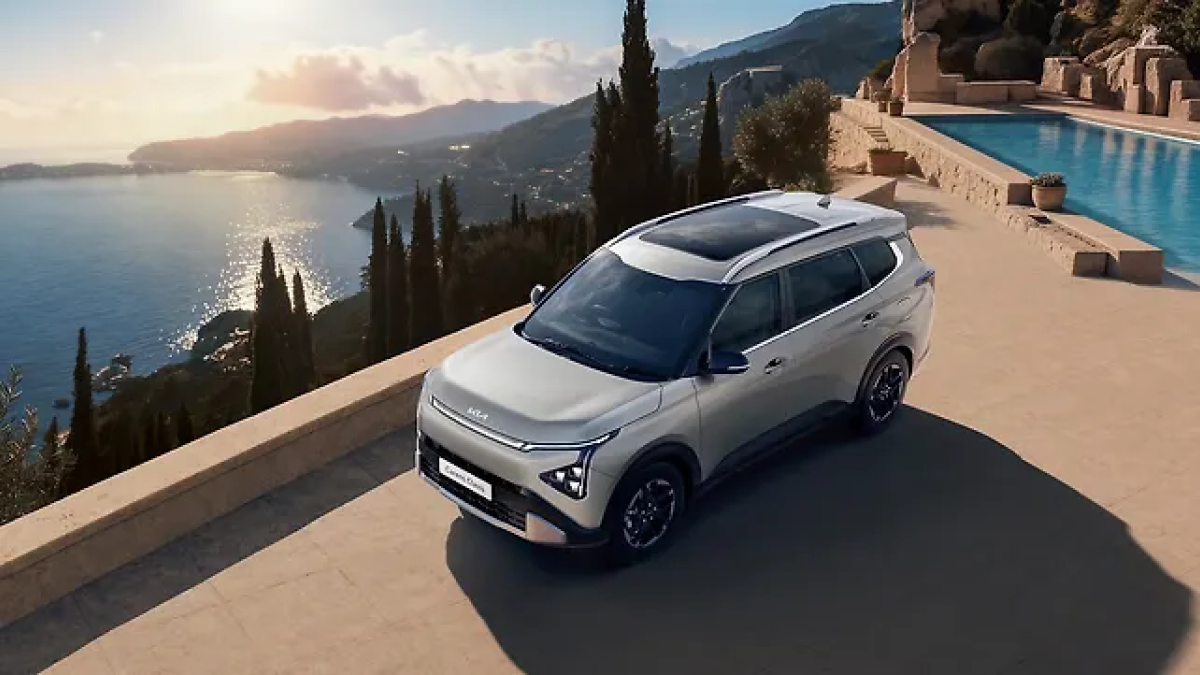
Kia India has officially rolled out a strategic upward price revision across its entire passenger vehicle lineup. Stepping away from temporary promotional price holds to tackle broader industrial headwinds, the South Korean manufacturing giant confirmed that its updated retail pricing structure takes effect across all nationwide dealership channels.
The latest pricing adjustment introduces an increase of up to 2% across various models and individual trims. In absolute commercial terms, this translates to an upward market shift of up to ₹39,000, depending explicitly on the specific vehicle segment, engine configuration, and selected equipment level.
Navigating Cost Headwinds: Why Vehicle Sticker Prices are Climbing
According to official correspondence shared by the automaker’s corporate desk, this mid-year financial correction has been driven entirely by sustained pressure from escalating input costs. Rising material expenses—particularly across key metal commodities, specialized wiring components, and sub-assembly components—have steadily squeezed factory floor margins over consecutive quarters.
Additionally, a concurrent rise in domestic freight charges and general operational expenditures left the brand with little choice but to pass a partial slice of the financial burden downstream to end consumers.
In a public statement addressing the revision, Kia India emphasized that it has systematically absorbed a significant percentage of the raw manufacturing cost inflation internally to ensure its entry-level and mid-tier variants retain their highly competitive value edge in a price-sensitive market.
Comprehensive Model-Wise Pricing Adjustment Matrix
The adjusted pricing framework impacts every mainstream internal combustion vehicle across Kia India’s modern product portfolio. The baseline entry-level variations for each affected model line show clear shifting patterns:
| Affected Kia Model Line | Vehicle Segment Classification | Baseline Entry Price (Old) | Adjusted Entry Price (New) | Estimated Variant Hike Range | Target Competitor Space |
| Kia Sonet | Sub-4-Meter Compact SUV | ₹7.33 Lakh | ₹7.41 Lakh | ₹900 to ₹12,000 | Tata Nexon, Maruti Brezza |
| Kia Syros | Premium Lifestyle Compact | ₹8.40 Lakh | ₹8.42 Lakh | Flat ₹2,000 to ₹14,000 | Hyundai Venue, Škoda Kylaq |
| Kia Seltos | Mid-Size Premium SUV | ₹10.99 Lakh | ₹11.00 Lakh | ₹900 to ₹24,000 | Hyundai Creta, Maruti Grand Vitara |
| Kia Carens | Value Multi-Purpose Vehicle | ₹11.02 Lakh | ₹11.05 Lakh | ₹1,500 to ₹28,000 | Maruti Ertiga, Toyota Rumion |
| Kia Carens Clavis | Luxury 3-Row People Mover | ₹11.21 Lakh | ₹11.23 Lakh | ₹1,800 to ₹39,000 | Toyota Innova Crysta, Maruti XL6 |
Premium Feature Buffers and Sustained Market Traction
Despite the minor price bumps, Kia India is protecting its competitive edge by expanding its premium tech and safety packaging across mainstream trims. Rather than cutting back on interior content to save on manufacturing costs, the brand has introduced high-value tech upgrades deeper into its lower-tier variants.
For instance, the best-selling Seltos mid-size SUV has recently gained two highly anticipated mid-tier trims—the GTX (O) and X-Line (O) configurations—democratizing its premium Level 2 ADAS (Advanced Driver Assistance Systems) package for buyers looking below the absolute top-spec models.
Similarly, the highly popular Sonet HTK (O) iMT variation continues to gain market share by standing tall as the most accessible clutchless manual transmission offering priced below the ₹10 lakh mark. By pairing essential luxuries like standard electric sunroofs, connected LED tail-lamp bars, and automated climate control matrices directly with robust safety packages (including 6 standard airbags across all trims), Kia has cleverly softened the impact of the price hike.
By keeping its signature tech-first identity completely intact, the company’s product line remains highly attractive to urban buyers as the industry prepares for the intense volume demands of the upcoming festive sales cycle.
