


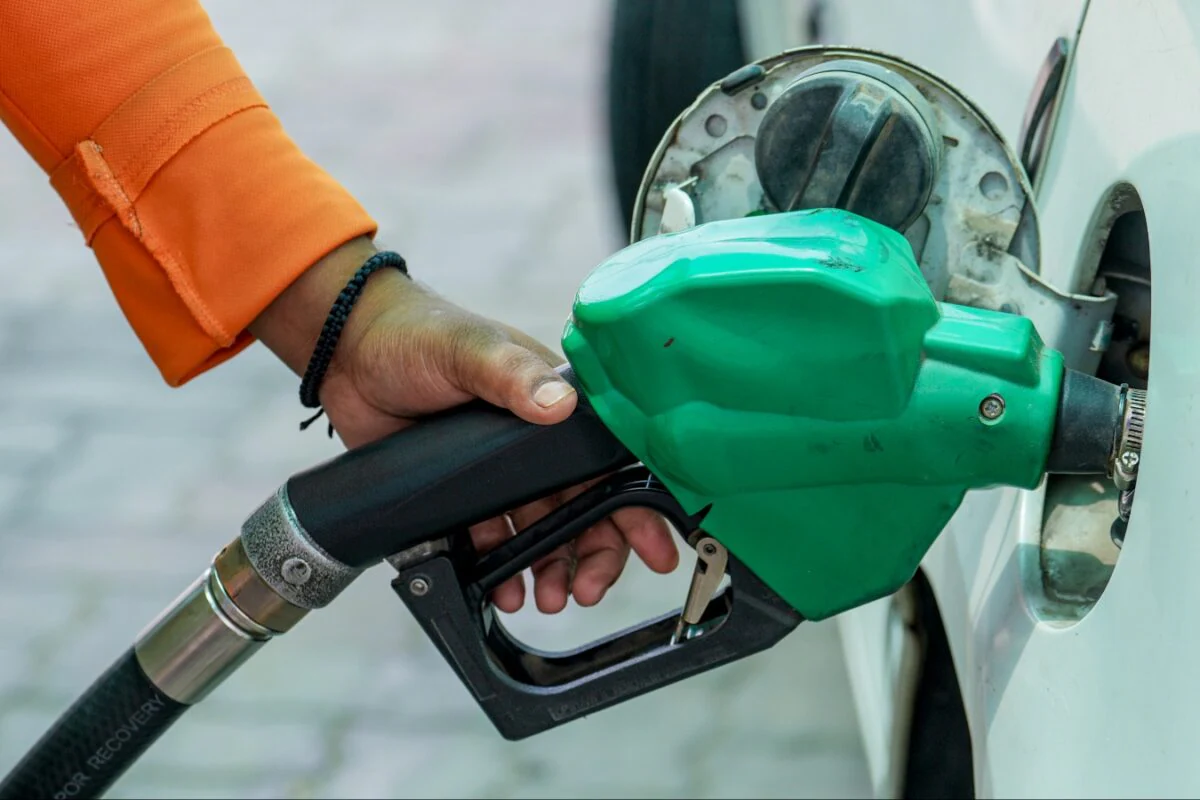
As India accelerates its aggressive transition toward biofuels to reduce crude oil imports, the ground rules for internal combustion engines are changing fast. Following the widespread rollout of E20 fuel, the Ministry of Petroleum has recently notified new Bureau of Indian Standards (BIS) guidelines paving the way for higher ethanol-petrol blends, including E22, E25, and E30 fuel. However, this rapid shift has left millions of current car owners wondering if their existing vehicles can be modified to handle these upcoming richer mixtures.
BMW Group India President and CEO Hardeep Singh Brar has delivered a definitive reality check for the industry: existing petrol vehicles cannot simply be retrofitted, re-mapped, or mechanically upgraded to support E30 fuel. Compatibility is a foundational engineering requirement that must be hardcoded into a vehicle at the factory assembly stage.
The Chemistry Problem: Why Ethanol Disrupts Standard Engines
The fundamental reason why a simple software update or minor dealership retrofit cannot fix E30 compatibility comes down to chemical composition. Ethanol is an alcohol derivative that possesses entirely different physical properties than pure fossil-derived gasoline. Most notably, ethanol is highly hygroscopic—meaning it actively attracts and binds with moisture from the surrounding air.
When ethanol concentration levels reach 30 percent (E30), the risk of a phenomenon known as “phase separation” increases dramatically inside the vehicle’s fuel tank. If a car sits idle for an extended period, the water-ethanol mixture separates from the petrol and sinks to the bottom of the tank, causing immediate starting issues and severe internal rusting.
Furthermore, ethanol behaves as an aggressive solvent. While standard rubber seals and flexible fuel lines function perfectly fine under E10 or mandatory post-April 2023 E20 blends, long-term exposure to E30 will rapidly degrade, crack, and dissolve traditional elastomers.
This leads to catastrophic fuel leaks, pressurized line failures, and heavily clogged fuel injectors. To make matters more complicated, ethanol burns with a significantly lower energy density than pure petrol. Running E30 in an uncalibrated engine forces the vehicle to run lean, triggering persistent engine check lights, rough idling, and a severe drop in fuel economy.
Why Dealership Retrofits are Logistically Impossible
Achieving true compliance for high-ethanol blends requires a comprehensive overhaul of a vehicle’s entire fueling and combustion ecosystem. For luxury automakers like BMW and its subsidiary MINI, the fuel delivery layout is intricately tied into the vehicle’s electronic architecture.
Converting an existing vehicle to meet E30 standards would require replacing the entire fuel tank assembly, substituting the primary high-pressure fuel pump with a corrosion-resistant unit, swapping out all lines for high-grade stainless steel or specialized polymers, and redesigning the fuel injectors to handle a higher volumetric flow rate.
Because these systems are completely integrated into the factory build, attempting a third-party or authorized retrofitting package is cost-prohibitive and poses severe safety risks.
Vehicle Lifespan and Multi-Tiered Ethanol Risk Assessment
The table below outlines how different generations of vehicles currently operating on Indian roads react to increasing ethanol blends, based on factory component tolerances.
| Vehicle Production Era | Primary Fuel Compliance | E20 Compatibility Status | E30 Compatibility Status | Structural Material Risks | Recommended Operational Action |
| Pre-2012 Legacy Fleet | E5 Blends | Extremely High Risk | Critical Failure Risk | Rapid rubber degradation; severe fuel tank corrosion | Avoid high-ethanol dispensers completely |
| 2012 – April 2023 Models | E10 Blends | Moderate Risk | High Risk | Accelerated fuel pump wear; lean-burn engine knocking | Monitor fuel flap stickers; use standard fuel only |
| Post-April 2023 (BS6 P2) | E20 Blends | Fully Compatible | Uncertified / High Risk | Potential injector clogging; long-term seal degradation | Stick strictly to E20 fuel outlets |
| 2026+ Next-Gen Flex-Fuel | E20 to E85 / E100 | Fully Compatible | Fully Compatible | None; features anodized steel and robust polymers | Safe to use any notified fuel blend |
Strategic Market Takeaway
BMW India’s timely clarification serves as a vital reminder that the path toward a greener transport ecosystem must protect the massive vehicle fleet already operating on Indian roads. While policymakers are rightfully pushing for cleaner, locally produced biofuels to support economic insulation, forcing higher blends prematurely without maintaining a parallel stream of standard E20 or E10 petrol would compromise the reliability of millions of vehicles.
For luxury car buyers and long-term owners, future fuel compatibility is quickly becoming just as critical a factor in buying decisions as performance, safety ratings, and cabin technology. Moving forward, the successful adoption of E30 and high-ethanol flex-fuels will rely entirely on next-generation vehicles specifically designed from day one to handle alternative fuel chemistry.
To dive deeper into how automotive manufacturers are navigating these new fuel mandates on the ground, you can check out this BMW India E30 fuel compatibility update, which breaks down the executive statements regarding older vehicle fleets.
