


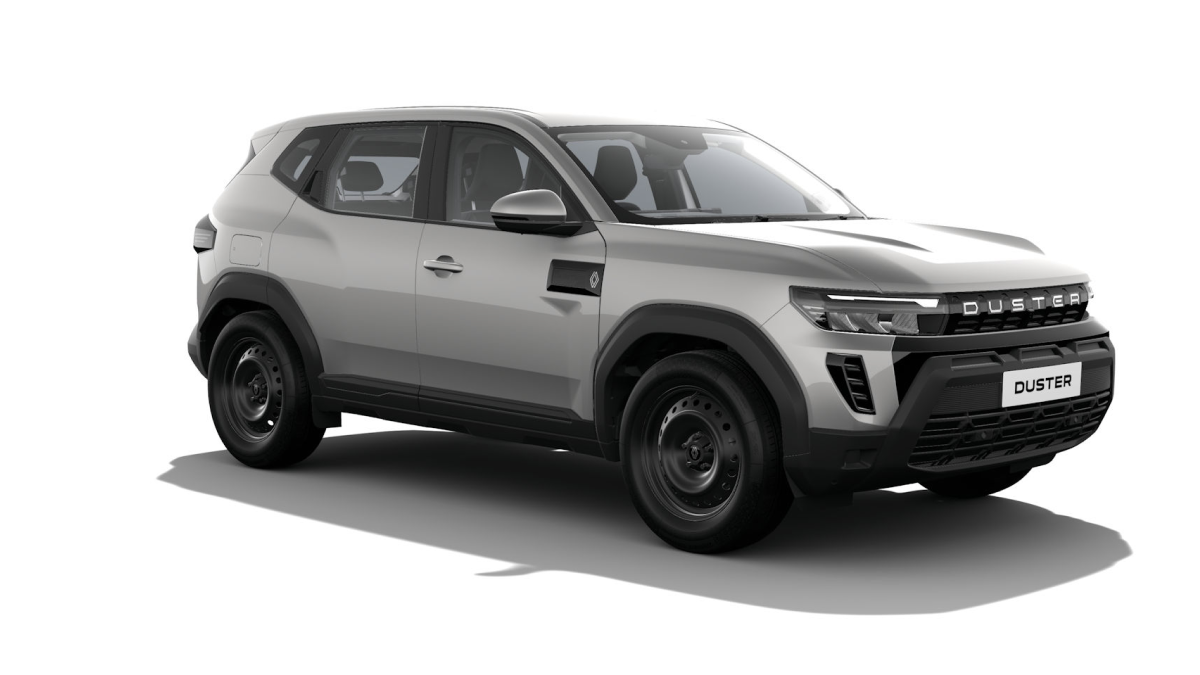
The midsize SUV arena in India is nothing short of a digital battlefield. Ever since Renault officially staged its massive comeback by launching the stunning, next-generation Duster, consumer interest has reached an all-time high. Built on the heavily localized Renault Group Modular Platform (RGMP), the new Duster wins hearts with its muscular stance, high ground clearance, and brilliant road manners.
However, looking at the initial launch lineup reveals a glaring strategy gap that many urban commuters have noticed: the entry barrier for a self-shifting variant is incredibly high.
To bridge this massive gap, strategic reports from inside the French automaker reveal that Renault is actively developing lower-priced automatic Duster variants. This move is aimed squarely at capturing budget-conscious buyers who refuse to compromise on driving comfort in congested city traffic.
The Current Structural Bottleneck
As the lineup stands today, the Duster splits its duties across two distinct turbocharged petrol powertrains. The highly economical 1.0-litre Turbo TCe 100 engine is mated exclusively to a 6-speed manual gearbox to keep the starting price at an aggressive ₹10.49 lakh (ex-showroom).
If you want an automatic, you are forced to make a massive financial leap. The automatic option is currently limited to the top-tier 1.3-litre Turbo TCe 160 engine, which utilizes a premium 6-speed Dual-Clutch Transmission (DCT). Because the DCT gearbox is bundled into higher trims like the Evolution and Techno variants, the cheapest automatic variant starts at a steep ₹14.49 lakh.
This creates a massive ₹4 lakh price canyon between the base manual and the entry-level automatic model, completely locking out a major chunk of the market.
Potential Engine and Gearbox Combinations
To bring down this entry price, Renault engineering teams are exploring two distinct product development paths:
- The 1.0L Turbo CVT Path: The most logical approach involves introducing a Continuously Variable Transmission (CVT) to the smaller 1.0-litre three-cylinder engine. Renault already uses this combination successfully in the compact Kiger, but the Duster’s unit would receive major revisions and paddle shifters to handle the heavier midsize shell.
- The 1.3L Stripped-Down DCT Path: The alternative route is keeping the potent 163-horsepower 1.3-litre motor but offering the dual-clutch transmission in a lower, stripped-down ‘Authentic’ or base-spec trim, ditching expensive features like the panoramic sunroof or Level 2 ADAS to cut costs.
Setting Up the Competitive Matrix
The demand for automatic SUVs in India has transformed from a premium luxury into an absolute necessity. With urban congestion climbing rapidly, over 40 to 50 percent of buyers in metropolitan cities now prefer automatic gearboxes.
By introducing a budget-friendly automatic choice, Renault will dramatically improve the Duster’s mass appeal. This will allow the brand to challenge segment leaders like the Hyundai Creta, Kia Seltos, Maruti Suzuki Grand Vitara, and Toyota Hyryder, all of whom offer highly accessible automatic variants lower down in their product portfolios.
| Vehicle Model & Trim | Powertrain Architecture | Transmission Type | Base Automatic Price (Ex-Showroom) |
|---|---|---|---|
| Renault Duster (Current Base AT) | 1.3L Turbo Petrol | 6-speed Dual-Clutch (DCT) | ₹14,49,000 |
| Renault Duster (Upcoming Target AT) | 1.0L Turbo / 1.3L Base | CVT / Strip-Down DCT | ₹12,20,000 to ₹12,80,000 (Expected) |
| Hyundai Creta (Base AT) | 1.5L Naturally Aspirated | Intelligent Variable (IVT) | ₹15,80,000 |
| Maruti Grand Vitara (Base AT) | 1.5L Mild Hybrid | 6-speed Torque Converter | ₹13,60,000 |
Expected Launch Timeline and Pricing Strategy
Renault India’s leadership has hinted that expanding the automatic lineup is a top-priority product initiative. While the highly anticipated 1.8-litre E-Tech Strong Hybrid powertrain is locked in for a launch close to the Diwali festive season, these wallet-friendly automatic variants are rumored to arrive on showroom floors either alongside or shortly before the hybrid rollout.
By positioning the new automatic configurations in the sweet spot between ₹12.20 lakh and ₹12.80 lakh, Renault will effectively trim more than ₹1.5 lakh off its current self-shifting entry price.
The primary target buyers for this update are young professionals, suburban families, and daily office commuters who want a rugged, road-tripping vehicle but need an effortless daily driver that won’t break the bank. If Renault executes this pricing correction correctly, the Duster could easily reclaim its status as India’s ultimate disruptor SUV.
