


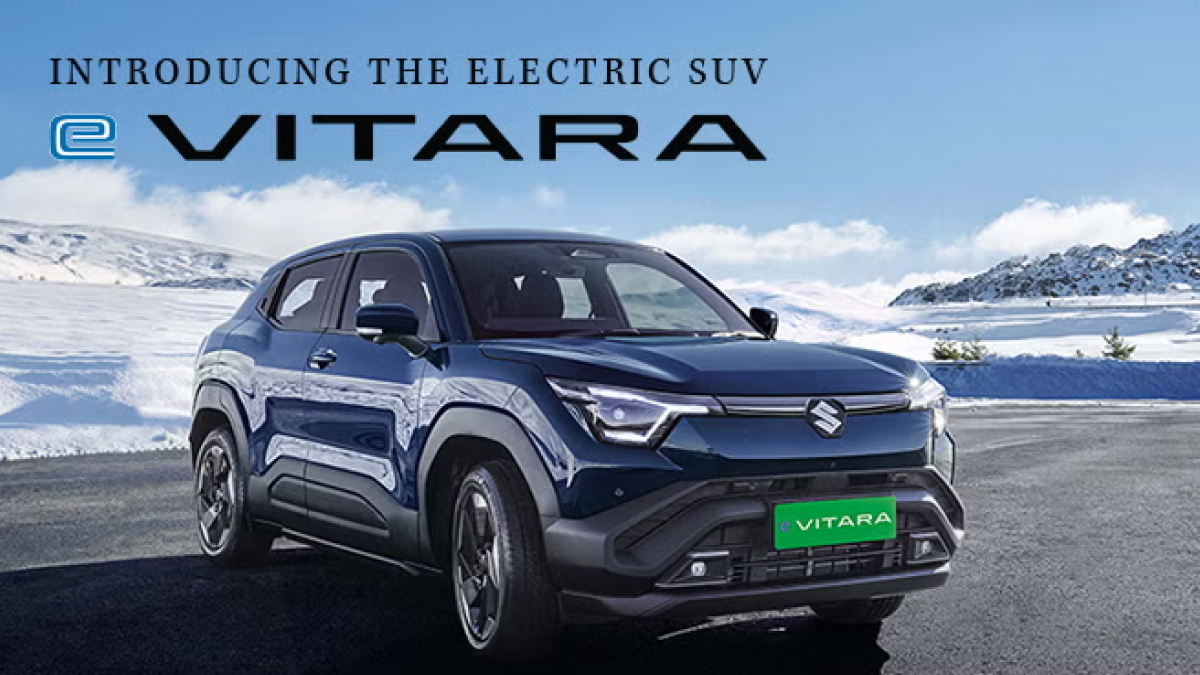
The economic reality of running an internal combustion engine (ICE) in India has reached a critical tipping point. Following an aggressive series of fuel price hikes that saw petrol costs surge by nearly ₹7.50 per litre across multiple regions over a two-week period, consumer behavior in the automotive market has shifted dramatically. Instead of traditional petrol and diesel setups, buyers are migrating en masse toward greener, more predictable alternatives.
Nobody is capitalizing on this transition quite like India’s largest carmaker. Maruti Suzuki India Limited (MSIL) has reported an unprecedented, vertical spike in customer traction for both its newly launched e Vitara midsize electric SUV and its extensive lineup of factory-fitted S-CNG vehicles.
            Maruti Suzuki alternative Fuel Momentum (May 2026)
┌────────────────────────────────────────────────────────────────────────┐
│ 📈 CNG Booking Surge Rate       👉 1.4X Spike Post-Fuel Price Hike     │
├────────────────────────────────────────────────────────────────────────┤
│ 🔋 Monthly e Vitara Bookings    👉 Doubled to 4,000 Units (May 2026)   │
├────────────────────────────────────────────────────────────────────────┤
│ 🏆 Record Monthly Volume       👉 78,000 Total CNG Units Dispatched    │
└────────────────────────────────────────────────────────────────────────┘
The 1.4x Factor: Why S-CNG is the Immediate Safe Haven
While compressed natural gas prices have not remained entirely immune to minor inflationary adjustments, the running cost gap between a CNG-powered vehicle and a conventional petrol car has widened into a chasm. According to senior corporate data released by Maruti Suzuki, the response from the retail front was immediate following the fuel price announcements: daily CNG bookings instantly multiplied to 1.4x their baseline rate.
This demand wave pushed Maruti’s total CNG sales to an all-time monthly high of 78,000 units in May 2026, representing a staggering 40% year-on-year growth. Long-standing family favorites like the WagonR CNG continue to serve as the structural backbone of this volume, making up more than half of the manufacturer’s entire incoming CNG order book.
To prevent crippling waiting periods, Maruti has already begun working alongside its Tier-1 component suppliers to rapidly scale up the production capacity of its factory-fitted gas injection kits.
                           The Cost Optimization Matrix
┌──────────────────────────────────────┐┌──────────────────────────────────────┐
│       The S-CNG Shield               ││       The Production Pivot           │
│ Offers a highly protected hedge      ││ Supported by Maruti's new Kharkhoda  │
│ against volatile premium crude oil   ││ facility, unlocking an additional    │
│ fluctuations on global markets.      ││ annual capacity of 2.5 Lakh units.   │
└──────────────────────────────────────┘└──────────────────────────────────────┘
The e Vitara Effect: First-Time EV Buyers Take the Leap
Simultaneously, the premium end of Maruti Suzuki’s portfolio is witnessing a profound structural evolution. Sold exclusively through the brand’s upscale Nexa network, the e Vitara—Maruti’s first foray into pure battery-electric vehicles (BEVs)—has shaken off its initial slow start.
Driven by rising operating costs for petrol crossovers, monthly bookings for the e Vitara officially doubled to 4,000 units in May, up from approximately 2,000 orders registered in April.
| Fuel Technology | Running Cost Profile | Key Volume Drivers | Production Status |
| S-CNG Fleet | Ultra-Low (Highly Stable) | WagonR, Dzire, Ertiga, Fronx | Ramping up kit assembly |
| e Vitara BEV | Near-Zero Local Emissions | Delta (49kWh), Alpha (61kWh) | Constrained to 2,000/mo |
Interestingly, Nexa dealers note that a significant portion of this fresh order book is coming from first-time EV buyers. Consumers who previously hesitated to enter the electric ecosystem are actively opting for the e Vitara’s highly disruptive Battery-as-a-Service (BaaS) finance scheme. By allowing buyers to rent the battery pack separately at a highly accessible ₹3.99 per kilometer, Maruti has successfully lowered the upfront financial purchase gate of the SUV to just ₹10.99 Lakh.
Supply Chains Under Pressure
The only major hurdle currently facing the brand is meeting this explosive demand. While the commissioning of Maruti’s second production line at its mega Kharkhoda facility in Haryana has successfully unlocked 250,000 units of fresh annual capacity for small cars and SUVs, electric assembly remains highly tightly controlled.
The e Vitara’s current assembly rate is locked at roughly 2,000 units per month, with a massive percentage of early allocation dedicated to strict export obligations across 46 international markets. Maruti expects to ease these specific domestic electric bottlenecks around the August-September 2026 manufacturing window.
The Long-Term Outlook: The compounding growth of Maruti Suzuki’s alternative fuel division signals an irreversible evolution within India’s broader passenger vehicle landscape.
As standard internal combustion powertrains face sustained financial pressure from rising fossil fuel costs, the transition to clean energy is no longer just an environmental talking point—it is a mandatory lifestyle adjustment for the budget-conscious Indian household. Armed with an expansive multi-fuel strategy spanning CNG, strong hybrids, and affordable BaaS-driven electric vehicles, Maruti Suzuki is perfectly positioned to capture the lion’s share of this structural migration.
