


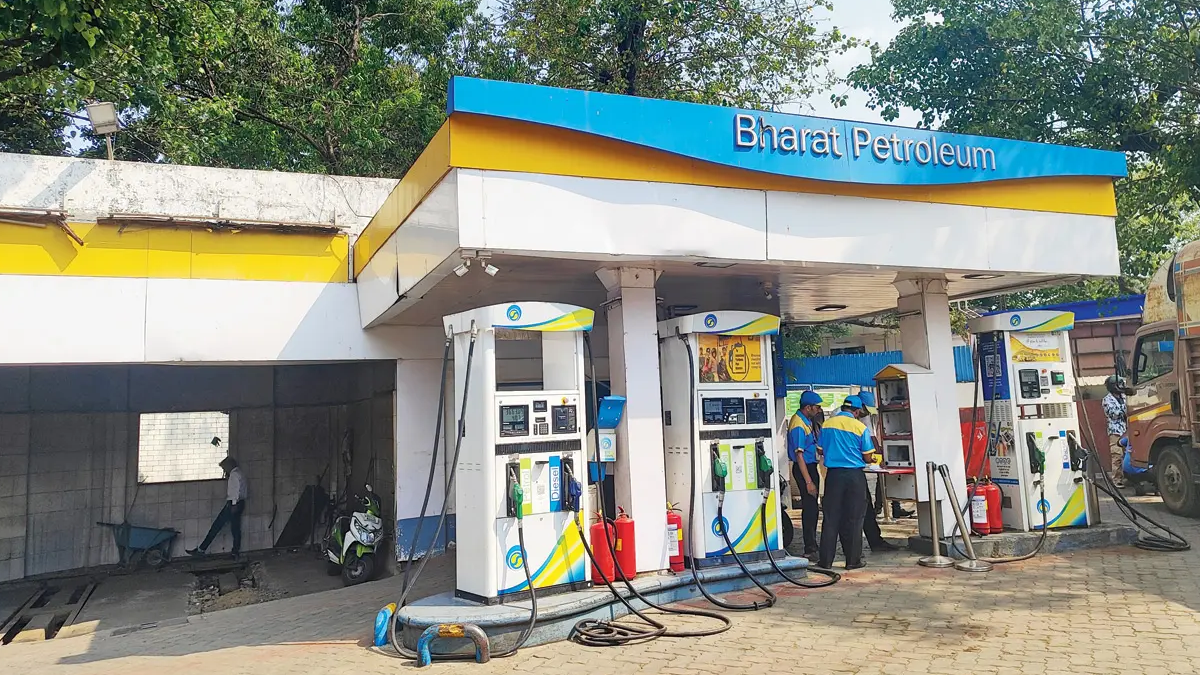
Commuters and commercial transport operators across the National Capital Region (NCR) are waking up to yet another revision at the fuel pumps. Indraprastha Gas Limited (IGL), the primary city gas distribution network in northern India, has officially announced a sharp increase of ₹2 per kg for Compressed Natural Gas (CNG).
The latest price adjustment took effect at 6:00 AM on May 26, 2026. This marks the fourth upward revision in fuel rates within a remarkably brief 11-day window. For a city landscape heavily reliant on clean energy for public transport, intermediate public transport (IPT) like auto-rickshaws, and private passenger cars, the compounding effect of these rapid hikes is beginning to strain monthly commuter budgets.
                  CNG Price Escalation Timeline (Delhi)
┌────────────────────────────────────────────────────────┐
│ 📅 May 15, 2026:  📈 +₹2.00 / kg                        │
├────────────────────────────────────────────────────────┤
│ 📅 May 17, 2026:  📈 +₹1.00 / kg                        │
├────────────────────────────────────────────────────────┤
│ 📅 May 23, 2026:  📈 +₹1.00 / kg                        │
├────────────────────────────────────────────────────────┤
│ 📅 May 26, 2026:  📈 +₹2.00 / kg (Current Revision)    │
└────────────────────────────────────────────────────────┘
⚠️ Total cumulative increase since May 15: ₹6.00 per kg
Behind the Surge: Geopolitics and Squeezed Supply Chains
According to senior industry officials and regulatory disclosures, this rapid succession of price hikes is directly tied to an escalating energy crisis in West Asia. Ongoing military tensions have severely choked transit safety through the Strait of Hormuz—a vital maritime bottleneck that handles nearly one-fifth of global liquefied natural gas (LNG) and crude oil trade.
Because India relies on imports to fulfill over 50% of its daily natural gas requirements (exceeding 190 million standard cubic metres per day), any sustained disruption to these shipping corridors immediately drives up international spot procurement rates. Compounding the issue is a strengthening US dollar, which inflates the domestic cost of landed gas shipments. IGL has noted that internal procurement costs have effectively surged by more than ₹10 per kg since February, making these retail price corrections unavoidable to stem widening operational under-recoveries.
The New Breakdown: City-Wise CNG Rates
Following the ₹2 per kg revision, CNG prices vary notably across administrative borders due to local Value Added Tax (VAT) structures and state levies. Delhi remains the least expensive pocket within the IGL distribution grid, while satellite cities face steeper pricing thresholds.
| Region / City Area | New Retail Price (Per kg) | Total Cumulative Rise (Since mid-May) |
| NCT of Delhi | ₹83.09 | +₹6.00 |
| Gurugram (Haryana) | ₹88.12 | +₹6.00 |
| Noida / Greater Noida (UP) | ₹91.70 | +₹6.00 |
| Ghaziabad (UP) | ₹91.70 | +₹6.00 |
| Meerut / Muzaffarnagar (UP) | ₹91.58 | +₹6.00 |
| Ajmer / Pali (Rajasthan) | ₹92.44 | +₹6.00 |
The Ripple Effect on Urban Logistics and Commutes
The timing of this latest CNG increase creates a double-whammy for the transport sector. Just 24 hours prior to IGL’s announcement, state-run oil marketing companies enacted a parallel nationwide hike for petrol and diesel, raising rates by over ₹2.60 and ₹2.71 per litre respectively.
For the average urban commuter, this uniform escalation across all fossil-fuel segments leaves very little room for cost-hedging. Local transport unions, auto-rickshaw associations, and app-based cab drivers in Delhi-NCR have already voiced concerns, noting that operational margins are disappearing. Fleet operators estimate that intra-city freight and passenger fares have naturally crept up by 10% to 15% over the past fortnight to absorb these recurring operational overheads.
Is CNG Still Economical?
Despite the cumulative ₹6 per kg spike pushing Delhi’s retail rate to ₹83.09 per kg, CNG maintains a distinct financial advantage over conventional fuels.
With petrol hovering well above the ₹102 per litre mark and diesel resting near ₹95 per litre in the national capital, CNG’s superior thermal efficiency and higher mileage per kilogram still offer an estimated 30% to 40% savings in per-kilometer running costs.
While the initial payback period for factory-fitted CNG kits or commercial permits has slightly lengthened, it remains the most viable economic buffer for high-frequency drivers. However, if global supply lines along the primary shipping corridors remain fractured, industry analysts warn that additional incremental adjustments could surface before the market stabilizes.
