


The final numbers for Fiscal Year 2026 are in, and they paint a fascinating picture of a market in transition. For decades, the “petrol vs. diesel” debate defined Indian car showrooms. Today, that conversation has expanded to include CNG, strong hybrids, and EVs, each carving out a distinct kingdom.
From Maruti’s dominance in the mass market to Mahindra’s diesel stronghold and the unexpected rise of “Battery-as-a-Service” models, here is how India bought cars in FY26.
1. The Petrol & CNG Kings: Maruti Suzuki’s Multi-Fuel Mastery
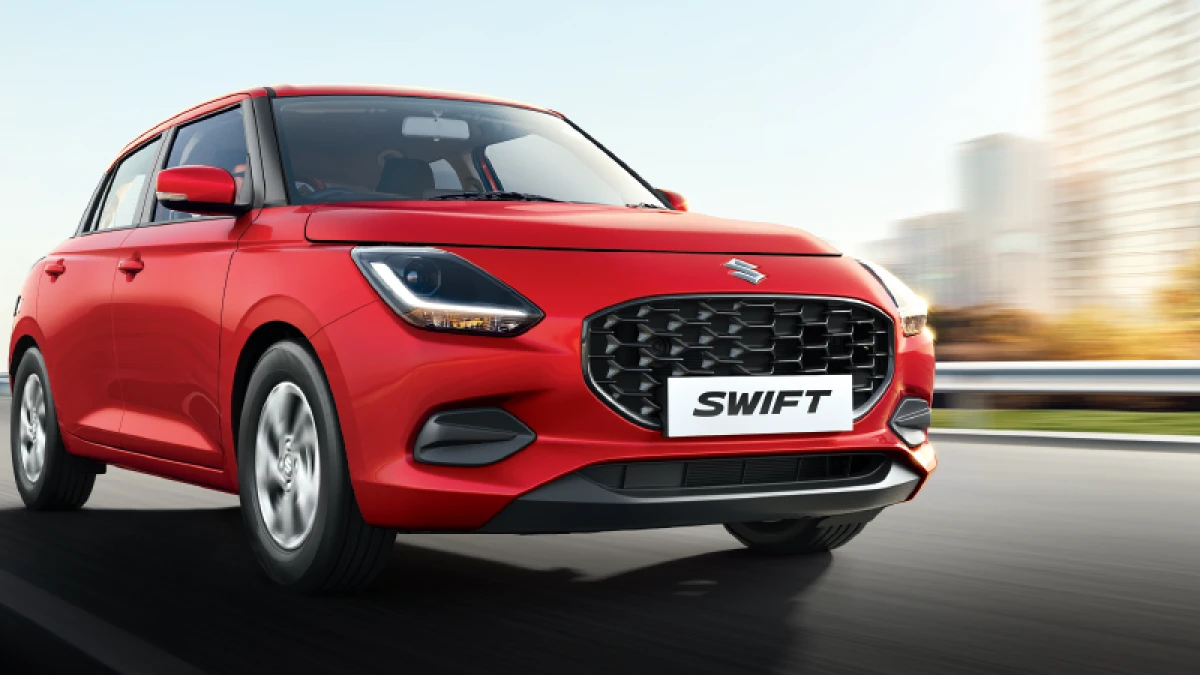
Despite the hype around electrification, Petrol remains the bedrock of Indian mobility. The Maruti Suzuki Swift reclaimed its throne as the highest-selling petrol car of the year, moving 1,54,993 units. Its blend of the new Z-Series engine efficiency and high resale value kept it ahead of its sibling, the Baleno.
However, the real growth story is in CNG. As petrol prices remained volatile, the Maruti Suzuki Ertiga emerged as the undisputed CNG champion with 1,45,480 units. The Ertiga has successfully transitioned from a “taxi favorite” to a premium family MPV, proving that Indian buyers are willing to trade boot space for significantly lower running costs.
2. Diesel’s Final Frontier: The SUV Fortress
While diesel has nearly vanished from small cars, it remains the “fuel of choice” for the big rigs. Mahindra & Mahindra dominated this space, with the Scorpio (including Scorpio-N) clocking a massive 1,70,372 units.
For long-distance touring and heavy-duty off-roading, the torque and highway range of a diesel engine are still unmatched. Mahindra’s record-breaking FY26 results—6.6 lakh SUVs sold—show that as long as there is an appetite for “Big, Tough SUVs,” diesel is here to stay.
3. The Hybrid Breakthrough: The “Hycross” Effect
FY2026 will be remembered as the year Strong Hybrids went mainstream. The Toyota Innova Hycross didn’t just lead this segment; it owned it, capturing over 50% market share with 62,586 units sold.
Toyota has successfully convinced Indian luxury buyers that a hybrid is the perfect bridge—offering EV-like silent starts and high fuel efficiency without the need for a charging plug. This “no-compromise” approach has seen the Hycross waitlists stretch into late 2026.
4. The EV Shakeup: The Rise of MG Windsor
The electric vehicle segment saw a dramatic shift in FY26. While Tata Motors remains the volume leader overall, the MG Windsor EV became the individual model to watch, selling 46,720 units.
By utilizing an innovative battery rental model, MG lowered the “sticker shock” of EV ownership, making it a common sight in Tier-1 cities. It narrowly beat the Tata Nexon EV, signaling that the market is becoming increasingly competitive as more global players enter the fray.
| Powertrain | Segment Leader (FY26) | Units Sold |
| Petrol | Maruti Suzuki Swift | 1,54,993 |
| CNG | Maruti Suzuki Ertiga | 1,45,480 |
| Diesel | Mahindra Scorpio (N/Classic) | 1,70,372 |
| Hybrid | Toyota Innova Hycross | 62,586 |
| EV | MG Windsor EV | 46,720 |
The Verdict
India’s automotive market is maturing. We are moving away from a “petrol-only” mindset toward a portfolio-based approach. While Maruti Suzuki continues to lead total volumes, the aggressive growth of Mahindra in diesel and Toyota/MG in electrified segments shows that the “perfect car” now depends entirely on your fuel of choice.
If you were buying a new car today, would you stick with the reliability of Petrol or make the jump to a Hybrid or EV? Let us know in the comments!
