


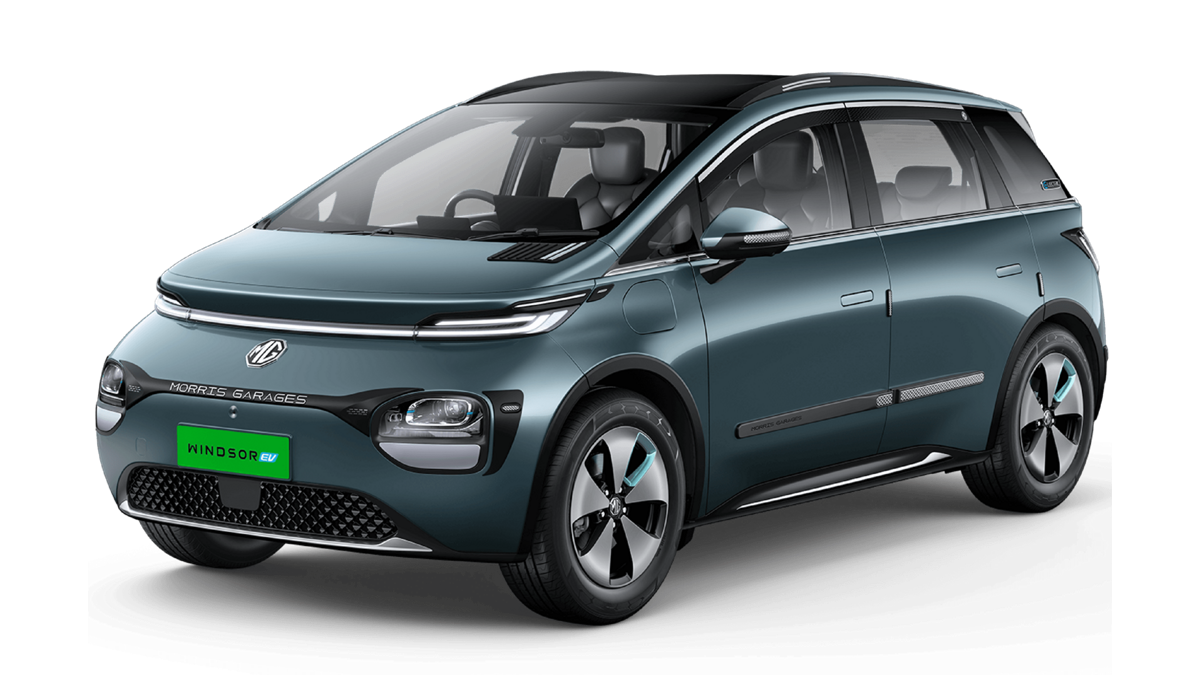
The landscape of urban mobility in India is shifting toward silent, zero-emission cabins. On April 20, 2026, JSW-MG Motor India officially entered the ring for the commercial crown by launching the MG Windsor Commute. Priced at ₹13.49 lakh (ex-showroom), this fleet-only variant is designed to be a high-uptime workhorse for Ola, Uber, and corporate rental operators.
While the private buyer focuses on panoramic roofs and massive screens, the “Commute” variant is a masterclass in stripping back the fluff to focus on what matters most to a taxi operator: Return on Investment (ROI).
The “Commute” vs. “Excite”: What’s Changed?
The Commute variant is positioned approximately ₹61,000 lower than the entry-level private variant (Excite). To achieve this competitive pricing, MG has swapped out several high-cost aesthetic features for durable, utility-focused components.
- Wheels: Gone are the dual-tone covers. The Commute rides on 17-inch silver steel wheels designed to handle the daily grind of potholed city roads without the worry of losing expensive plastic covers.
- The Infotainment Trade-off: The massive 10.1-inch tablet seen in private trims has been removed. In its place is a basic 1-DIN style unit providing essential Bluetooth, FM, and USB connectivity—standard for a driver-focused commercial vehicle.
- Interior Resilience: The cabin keeps the sophisticated black-and-gold theme but moves to heavy-duty fabric upholstery, which is far easier to clean and maintain during back-to-back passenger cycles.
BaaS for Fleet: Solving the Upfront Cost Crisis
The real disruptor here is the Battery-as-a-Service (BaaS) model. For fleet owners who don’t want to lock up massive capital, the Windsor Commute can be purchased at an upfront cost of approximately ₹9.99 lakh, with a battery rental fee of ₹3.5 per kilometer.
For a typical intercity cab covering 4,000 km a month, the rental cost of ₹14,000 is often offset by the massive savings compared to diesel fuel costs, which would typically exceed ₹25,000 for the same distance.
Performance: The 360 km Promise
Mechanically, the Commute variant doesn’t compromise on the core “Windsor” experience.
- Battery & Range: It uses the reliable 37.9 kWh LFP (Lithium Iron Phosphate) battery pack, delivering a claimed 360 km range (ARAI). Real-world fleet data suggests a 220–250 km range in heavy city traffic with full AC.
- Charging Speed: Support for 45 kW DC fast charging means the car can go from 0 to 80% in roughly 55 minutes, allowing drivers to “top-up” during lunch breaks and stay on the road longer.
MG Windsor Commute: Fleet Spec Sheet
| Feature | Specification | Fleet Benefit |
| Boot Space | 604 Liters | Industry-best for airport luggage |
| Rear Comfort | 135° Recline | Higher passenger satisfaction/ratings |
| Safety | All-Wheel Disc Brakes | Lower brake fade in heavy usage |
| Connectivity | 7-inch Digital Cluster | Clear visibility for driver vitals |
The Verdict
With the launch of the Commute variant, MG is directly challenging the Tata Tigor EV and the upcoming Hyundai Creta EV fleet variants. By offering the 604-liter boot and the unique reclining Aero Lounge rear seats in a taxi-spec car, MG is betting that even commercial passengers are now ready to demand a premium experience.
Would you prefer to book a Windsor EV cab over a standard sedan for your next airport run? Let us know in the comments!
