


In the space of about a year, this bracket has gone from a two- or three-player field to one of the most crowded corners of the Indian car market. MG has replaced the Gloster with the Majestor. Volkswagen has brought back a three-row flagship with the Tayron. Skoda has refreshed the Kodiaq with ADAS. Honda has entered at the top with a full-import hybrid. And Kia is about to join in with its first hybrid SUV for India, the Sorento.
None of them are pretending they’ll outsell the Fortuner. So what’s actually driving this rush?
Premium SUV Sales: Is There Really Room Beyond the Fortuner?
Note: this table mixes long-established nameplates with SUVs that have only just gone on sale or haven’t launched yet — so volumes aren’t directly comparable across the board.
| SUV | Price (Approx., ex-showroom) | Status | Position in Segment |
|---|---|---|---|
| Toyota Fortuner | ₹36–53 lakh | Established, segment leader | Benchmark by volume and reputation |
| MG Majestor | ₹40.99–44.99 lakh | New launch (May 2026) | New flagship rival, replaces the Gloster |
| Volkswagen Tayron | ₹41.99–46.99 lakh | Launched (early 2026) | VW’s return to the 3-row premium segment |
| Skoda Kodiaq | ₹36.99–46.99 lakh | Refreshed (May 2026, ADAS added) | European refinement pick |
| Jeep Meridian | ₹25–39 lakh | Established | Diesel & off-road specialist |
| Honda ZR-V Hybrid | ₹47.99 lakh | New launch (July 2026) | Import-only hybrid flagship |
| Kia Sorento Hybrid | ₹28–45 lakh (expected) | Bookings open, launch expected festive season 2026 | Kia’s first hybrid SUV in India |
The pattern is clear: this segment didn’t exist as a “battle” a couple of years ago. It’s become one in a very short window, and 2026 alone has brought three fresh entrants — MG’s Majestor, VW’s Tayron, and Honda’s ZR-V — plus a refreshed Kodiaq and a Kia Sorento on the way.
The Gap Everyone Wants to Fill
The Fortuner isn’t just leading this segment — it’s been operating at a different scale altogether, built on years of trust, resale value and a reputation few rivals can match overnight.
Yet manufacturers keep launching challengers anyway.
Because none of them need to outsell the Fortuner. A premium SUV that sells a few hundred units a month can still be a commercially successful product, thanks to the higher margins and the brand-image boost that comes from having a genuine flagship in the lineup. That’s exactly the calculation MG, Volkswagen and now Honda are making — each is fighting for a slice of a growing pie, not trying to dethrone the segment leader outright.
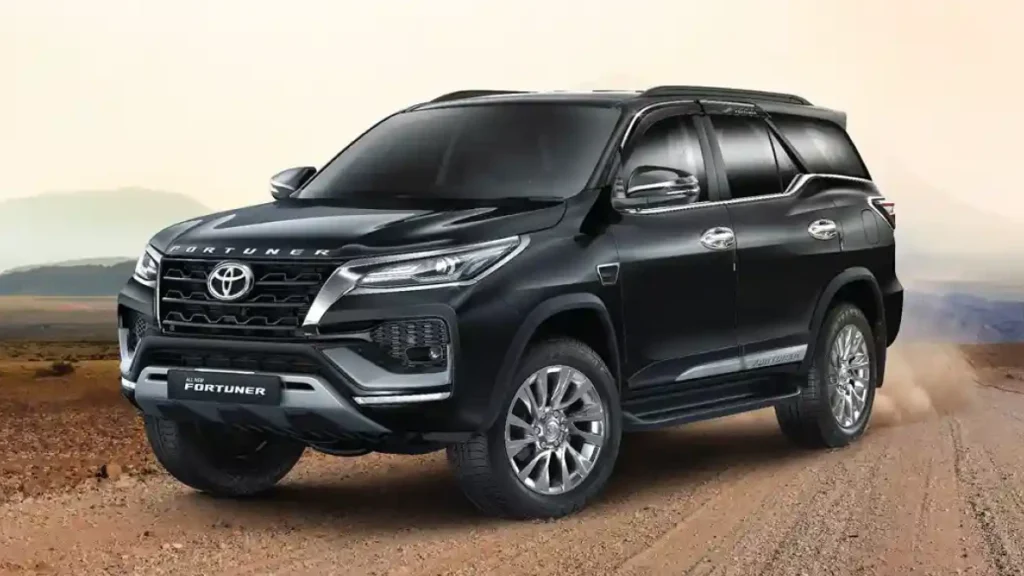
Toyota Fortuner Created the Blueprint
Before this segment got crowded, the Fortuner had already proven the formula worked. It built its reputation on:
- Strong resale value
- Reliability owners trust over the long haul
- Nearly two decades of brand equity in India
- A genuinely rugged, capable image
- Real off-road ability, not just styling
- A sense of premium ownership, even without the longest feature list
The Fortuner showed Indian buyers would pay ₹40–60 lakh for an SUV built around status, dependability and capability — even when rivals offered more equipment for less. That’s the blueprint every new entrant is now trying to replicate, or beat.
The New Wave: What’s Actually Launched in 2026
This is the part most coverage misses — the segment hasn’t just grown in theory, it’s been reshaped by real product in the last few months.
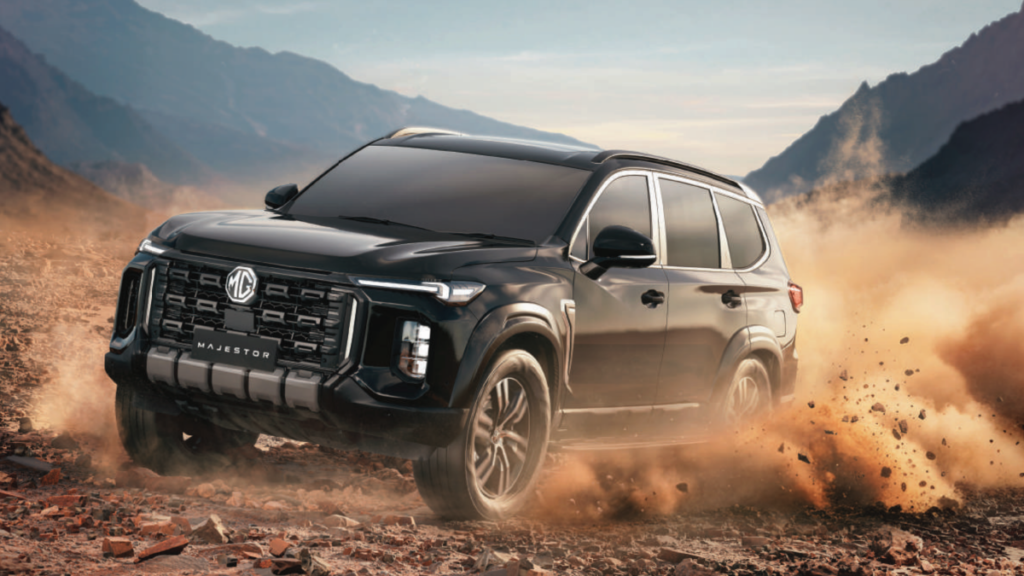
MG Majestor — MG’s New Flagship
Launched in May 2026 at ₹40.99–44.99 lakh, the Majestor replaces the Gloster as MG’s flagship ICE SUV and is pitched as India’s first “D+” SUV. It carries over the Gloster’s 2.0-litre twin-turbo diesel (around 215 PS/478 Nm) but adds a segment-first triple differential lock setup, Level 2 ADAS, a panoramic sunroof, ventilated and massaging front seats, and 6- or 7-seat layouts. It’s a direct shot at the Fortuner, Meridian, Tayron and Kodiaq, and its full-size, ladder-frame stance is meant to signal genuine off-road credibility rather than just badge premium.
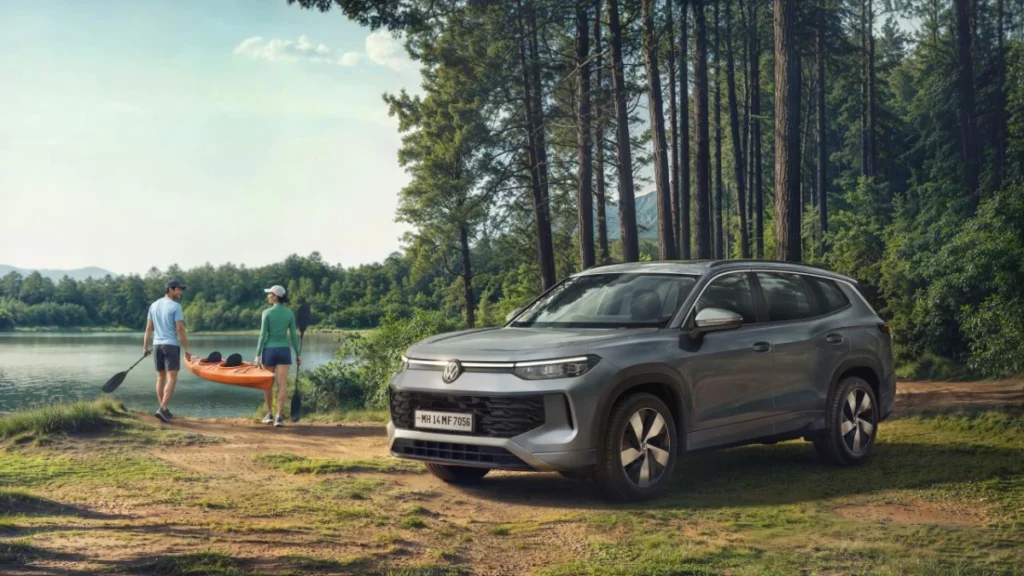
Volkswagen Tayron — VW’s Return to Three Rows
Volkswagen brought back a three-row flagship for the first time since the Tiguan Allspace was discontinued. The Tayron R-Line launched at an introductory ₹46.99 lakh, with the wider range later starting from ₹41.99 lakh. Built on the MQB Evo platform and locally assembled, it runs a 2.0-litre turbo-petrol engine with a dual-clutch automatic and gets Level 2 ADAS, a full LED light bar, and 20-inch wheels on the R-Line. It directly targets Fortuner petrol buyers as well as Kodiaq and Meridian shoppers.
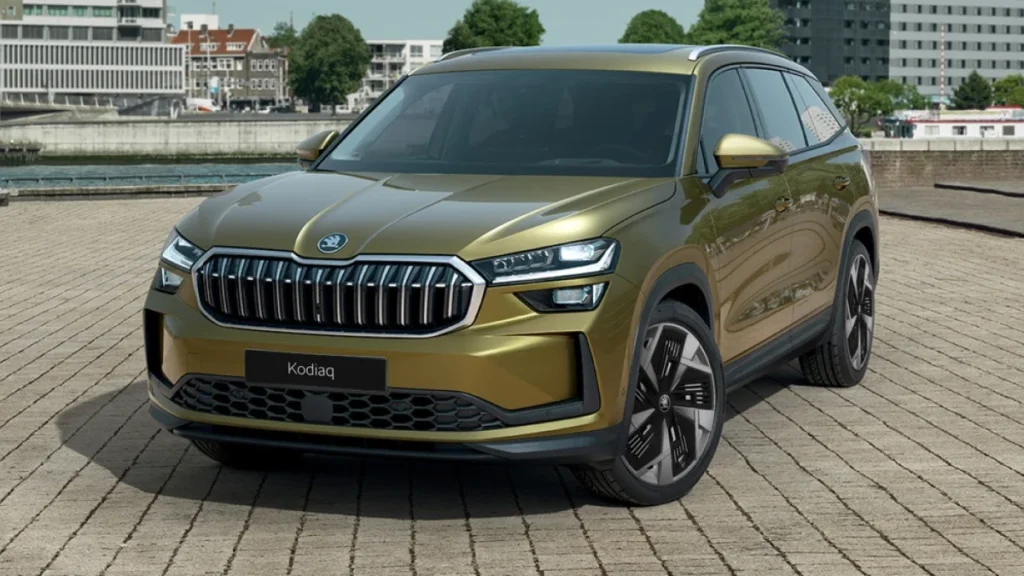
Skoda Kodiaq — A Refresh With ADAS
Rather than a full replacement, Skoda updated the Kodiaq in May 2026, cutting the base Lounge variant’s price by ₹3 lakh (to ₹36.99 lakh) while adding Level 2 ADAS for the first time on any Skoda sold in India, plus a 360-degree camera on the mid-spec Sportline. The 2.0-litre turbo-petrol engine, 7-speed DCT and standard AWD carry over unchanged. It’s a reminder that in a fast-moving segment, even staying competitive means constant updates.
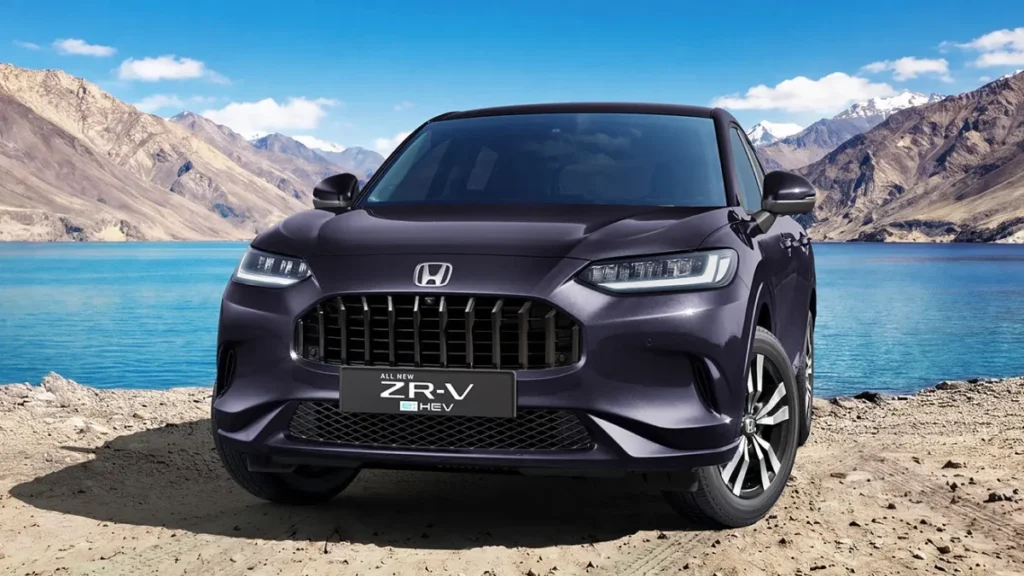
Honda ZR-V Hybrid — A Different Kind of Flagship
Honda took a different approach entirely. Rather than a ladder-frame diesel SUV, the ZR-V arrived in July 2026 as a fully imported, single-variant hybrid crossover priced at ₹47.99 lakh. Its 2.0-litre e:HEV strong-hybrid system makes 184 PS and 315 Nm, and Honda claims 22.8 kmpl — a genuinely different pitch built around fuel efficiency and hybrid credibility rather than size or off-road ability. It positions itself against the Tayron and European rivals rather than the Fortuner directly, and its first two import batches were reportedly booked out.
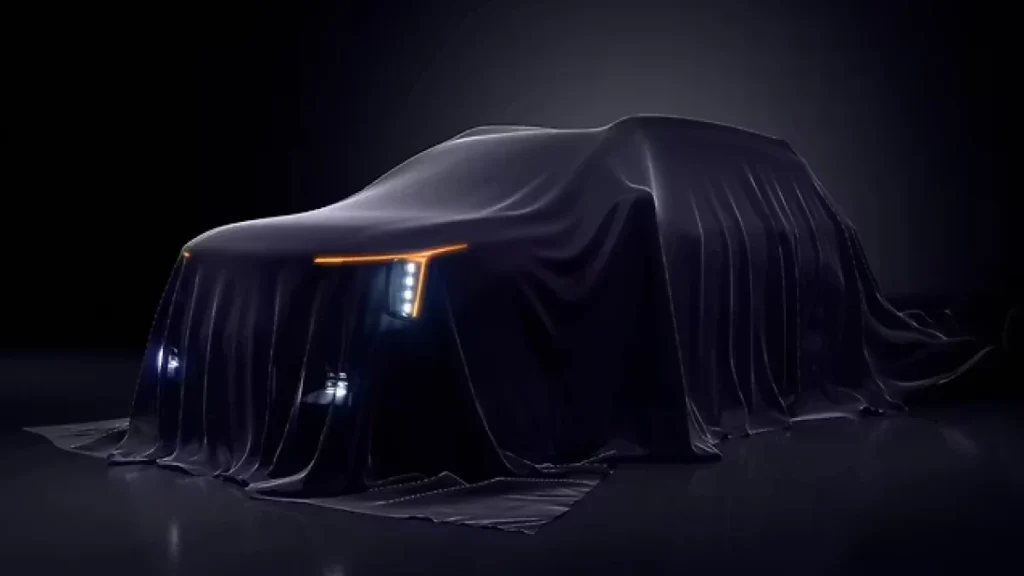
Kia Sorento Hybrid — Still to Come
Kia opened official bookings for the Sorento Hybrid in early August 2026, with a launch expected around the festive season. It will be Kia’s first hybrid SUV in India, built around a 1.6-litre turbo-petrol hybrid system reported at roughly 227–238 PS, in a 4.8-metre-plus body with 6- or 7-seat configurations. Expected pricing has ranged anywhere from ₹28 lakh to ₹45 lakh across various reports, so the eventual number — and how aggressively Kia prices it against the Fortuner and Majestor — will be one of the more closely watched launches of the year.
Indians Are Moving Towards Bigger, Lifestyle SUVs
One of the biggest forces behind this trend is a genuine shift in what Indian buyers aspire to own.
A decade ago, the aspirational upgrade was a premium sedan. Today, it’s a large SUV — for reasons that go beyond just size:
- Strong road presence
- A higher driving position
- Better visibility in traffic
- Improved perception of safety
- Genuine three-row practicality
- An association with adventure and road trips
- The premium image that comes with a bigger footprint
SUVs now account for around two-thirds of India’s passenger vehicle market, which shows just how completely the body style has taken over.
The Rise of the “Adventure Lifestyle”
Buyers increasingly want SUVs that reflect an active lifestyle, even if most of them rarely go properly off-road. Large SUVs have become tied to:
- Weekend road trips
- Hill and mountain travel
- Camping and overlanding
- Towing capability
- A rugged, capable image
- Family holidays
Social media has amplified this. Clips of SUVs tackling tough terrain or touring remote destinations feed directly into the aspirational appeal of these vehicles — for many buyers, the SUV isn’t just transport, it’s part of how they present their lifestyle.
Rising Incomes Are Changing Buying Behaviour
India’s car market has been going through real premiumisation. Many buyers who bought a Creta, Seltos, Harrier or XUV7X0 five years ago are now in a position to move into the ₹35–50 lakh bracket — and instead of trading up to another midsize SUV, they’re looking at the Fortuner, Kodiaq, Tayron, Majestor, ZR-V or the upcoming Sorento Hybrid.
As disposable incomes rise and financing options improve, more buyers are willing to spend for a vehicle that offers stronger brand value, richer features and greater perceived prestige.
Profit Margins Matter More Than Sales Numbers
Selling one ₹45 lakh SUV can generate substantially more profit than selling several entry-level hatchbacks combined — which is exactly why manufacturers are investing so heavily here instead of chasing volume alone. Across the industry, premiumisation — a richer, higher-value product mix — has become one of the biggest profit drivers in Indian auto retail, and this segment is where that shows up most clearly.
The Hybrid & PHEV Opportunity
Electrification is the second force reshaping this bracket, alongside premiumisation:
- Honda’s ZR-V brings a full strong-hybrid system to the segment for the first time, built entirely around efficiency rather than size
- Kia’s upcoming Sorento Hybrid will be the brand’s first hybrid SUV in India
- MG continues to explore plug-in hybrid technology for its larger SUVs
- Toyota’s own hybrid strategy remains the benchmark other brands are reacting to
Manufacturers increasingly see hybrids and PHEVs as a bridge — offering meaningfully lower running costs and cleaner credentials without asking premium buyers to commit fully to an EV just yet. Diesel hasn’t gone away either: the Majestor, Meridian and Fortuner all lean on it for buyers who want proven long-distance and towing capability.
What Today’s Premium SUV Buyer Wants
Expectations in this bracket have moved well beyond sheer size. Buyers now look for:
- Level 2 ADAS
- A panoramic sunroof
- A premium audio system
- 360-degree camera coverage
- Connected car technology
- Captain seats, where offered
- Strong, verifiable safety credentials
- A powerful petrol, diesel or hybrid drivetrain
A ₹40–50 lakh SUV today is judged as much on its tech sheet as on how commanding it looks in the driveway.
Why Carmakers Are Entering This Segment Now
Instead of fighting over crowded, low-margin ₹10–20 lakh segments, manufacturers see the ₹30–50 lakh bracket as a chance to:
- Earn a higher profit per vehicle
- Improve brand image with a genuine flagship product
- Showcase new technology — hybrids, PHEVs, ADAS — that trickles down to cheaper models later
- Capture customers upgrading out of mainstream SUVs
- Build long-term loyalty at the top of their range
Comparison Table
| SUV | Price (Approx.) | USP |
|---|---|---|
| Toyota Fortuner | ₹36–53 lakh | Reliability & resale value |
| MG Majestor | ₹40.99–44.99 lakh | Off-road tech (triple diff lock) & size |
| Volkswagen Tayron | ₹41.99–46.99 lakh | European tech & 3-row practicality |
| Skoda Kodiaq | ₹36.99–46.99 lakh | Premium refinement, now with ADAS |
| Jeep Meridian | ₹25–39 lakh | Diesel & off-road capability |
| Honda ZR-V Hybrid | ₹47.99 lakh | Hybrid efficiency (22.8 kmpl claimed) |
| Kia Sorento Hybrid | ₹28–45 lakh (expected) | Kia’s first hybrid SUV in India |
Prices are approximate ex-showroom figures and can vary by variant, city and ongoing offers; figures marked “expected” are pre-launch estimates and subject to change at official launch.
MotorFuturist Verdict
The ₹30–50 lakh SUV category is no longer a niche — it’s the industry’s new profit centre, and 2026 has been the year that proved it. In the space of a few months, MG replaced its flagship, Volkswagen returned to three rows, Skoda refreshed its offering with ADAS, and Honda entered with a hybrid-only flagship — with Kia’s first hybrid SUV still to come. Toyota already proved Indian buyers would pay ₹40–50 lakh for a capable SUV; now every major brand is betting that buyers also want hybrid technology, richer interiors and more tech without giving up the commanding road presence that defines this segment. None of them need to dethrone the Fortuner. They just need their share of one of India’s fastest-evolving automotive categories — and over the next year, expect that list of challengers to keep growing.
FAQ
Why are so many SUVs launching between ₹30 lakh and ₹50 lakh? Because premium SUVs offer stronger profit margins, buyer demand in this bracket keeps growing, and it’s become one of the fastest-moving parts of India’s passenger vehicle market.
Why is the Toyota Fortuner still the benchmark? Its combination of reliability, strong resale value, rugged capability and long-standing brand trust has made it the reference point every new premium SUV in India is measured against.
What’s the newest launch in this segment? The Honda ZR-V Hybrid, launched in July 2026 at ₹47.99 lakh, is the most recent arrival, followed closely by the MG Majestor (May 2026) and a refreshed Skoda Kodiaq (also May 2026).
Will hybrids replace diesel SUVs in this segment? Not immediately. Hybrids like the ZR-V and the upcoming Sorento Hybrid are gaining real momentum, but diesel — as used in the Majestor, Meridian and Fortuner — still appeals to buyers who cover long distances or need serious towing and off-road capability.
Which SUV should buyers watch for next? The Kia Sorento Hybrid, expected to launch around the 2026 festive season, will be one of the most closely watched debuts, since it’s Kia’s first hybrid SUV in India and is expected to price aggressively against the Fortuner and Majestor.
