
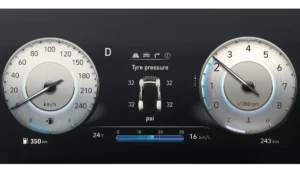
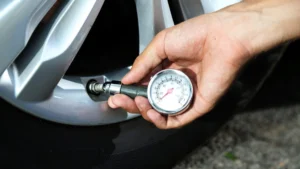



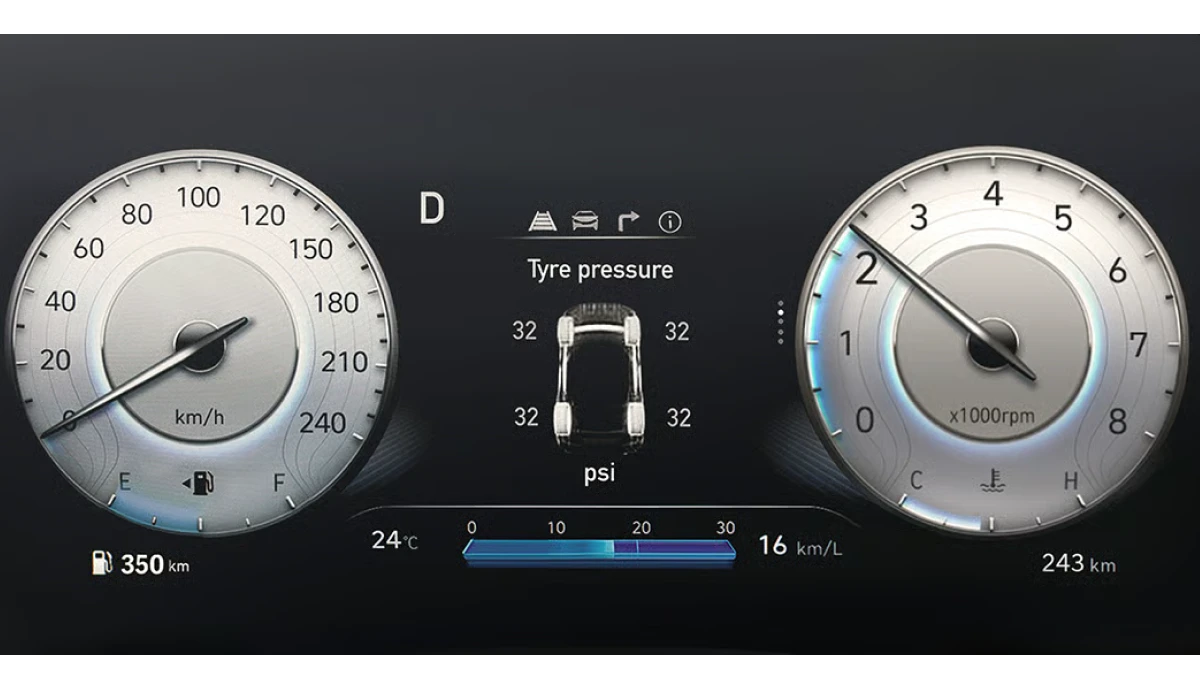
That little yellow horseshoe icon on your dashboard is one of the most important safety features in your car. A Tire Pressure Monitoring System (TPMS) continuously tracks the air pressure inside your tires and alerts you the moment it drops to an unsafe level.
First mandated across North America and Europe to prevent high-speed blowouts, TPMS is now a standard or highly requested feature on modern cars globally. Understanding how your specific system works can save your tires, improve your fuel economy, and keep you safe on the highway.
What Is TPMS and Why Do Cars Need It?
At its core, TPMS eliminates the guesswork from tire maintenance. Driving on underinflated tires creates excessive rolling resistance and sidewall heat. By warning you early, TPMS helps to:
- Prevent Blowouts: Catches slow leaks before a tire overheats and fails catastrophically.
- Improve Handling: Ensures optimal grip, steering response, and shorter braking distances.
- Boost Fuel Economy: Properly inflated tires reduce rolling resistance, saving fuel and lowering emissions.
- Extend Tire Life: Prevents premature and uneven tread wear caused by running low on air.
How Direct TPMS Works
Direct TPMS is the most precise system available. It uses a physical, battery-powered pressure sensor mounted inside each wheel—usually integrated directly into the valve stem.
These sensors measure the actual physical air pressure (and often internal air temperature) of each tire and transmit that data via Radio Frequency (RF) to your car’s computer.
- Advantages: Exceptional accuracy; displays exact, individual PSI readings for every tire on your screen; alerts you almost instantly to sudden pressure drops.
- Disadvantages: Sensors are more expensive to repair or replace; they require a “relearn” procedure when rotating tires.
- Battery Life & Cost: Built-in lithium batteries typically last 5 to 10 years. Once a battery dies, the entire sensor unit must be replaced.

How Indirect TPMS Works
Indirect TPMS doesn’t use physical pressure sensors inside the tires at all. Instead, it relies on your vehicle’s Anti-lock Braking System (ABS) wheel-speed sensors.
When a tire loses air, its overall diameter shrinks slightly, causing it to spin faster than the fully inflated tires around it. The computer detects this subtle speed difference and triggers the warning light.
- Advantages: Substantially lower maintenance costs; no internal sensor batteries to wear out; wheel swaps and replacements are simpler.
- Disadvantages: Does not show individual PSI readings; takes several miles of driving to calculate pressure loss; requires a manual system reset every time you inflate or rotate your tires.
Direct TPMS vs. Indirect TPMS
| Feature | Direct TPMS | Indirect TPMS |
| Measures Actual PSI | ✅ Yes | ❌ No |
| Uses Wheel-Mounted Sensors | ✅ Yes | ❌ No |
| Uses ABS Wheel-Speed Data | ❌ No | ✅ Yes |
| Accuracy | Excellent | Moderate |
| Maintenance Cost | Higher | Lower |
| Battery Replacement Needed | ✅ Yes (Every 5–10 years) | ❌ No |
| Individual Tire Pressure Display | ✅ Yes | ❌ No |
Which Cars Use Which System?
- Direct TPMS: Widely used by manufacturers that prioritize real-time telemetry and individual tire readouts. Common examples include Tesla, BMW, Mercedes-Benz, Kia, Hyundai, Toyota, and higher-end SUVs from Mahindra (like the XUV700 and Scorpio-N) and Tata.
- Indirect TPMS: Popular among European and Japanese brands looking for a cost-effective, low-maintenance solution. Many Volkswagen, Skoda, Audi, and select Honda models utilize ABS-based indirect monitoring depending on the market and trim level.
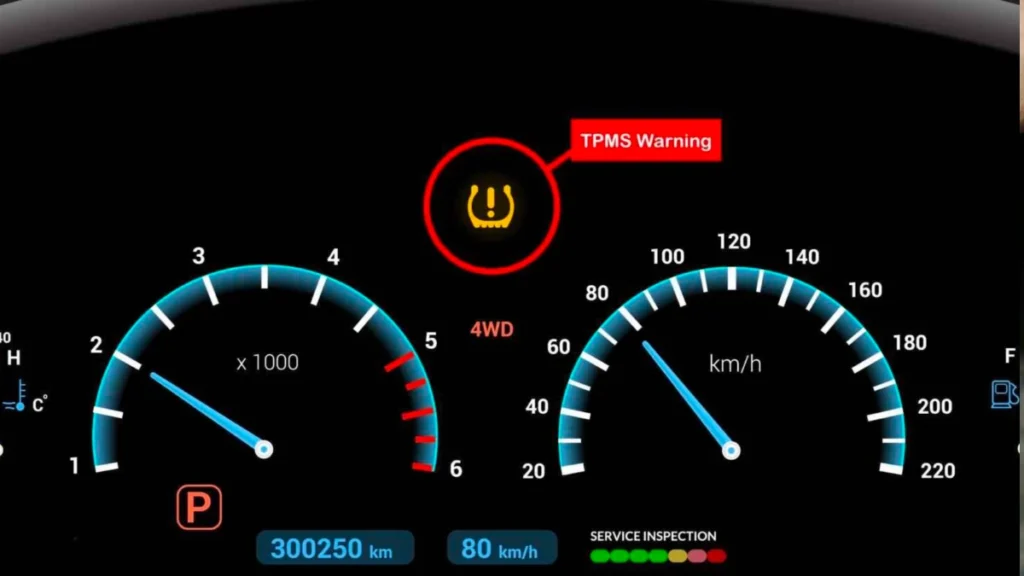
Common TPMS Warning Lights Explained
- Solid Yellow Light: One or more tires are significantly underinflated (usually 20–25% below the recommended PSI). Check your pressures immediately.
- Flashing Light (for 60–90 seconds, then solid): Indicates a system or sensor fault. A sensor battery may have died, or the system has lost signal from a wheel.
Can You Drive With the TPMS Light On?
- Safe Situations: It is generally safe to drive a short distance to a gas station if the tire looks physically upright, the vehicle steers normally, and the pressure is only a few PSI low (such as during a cold-weather snap).
- Unsafe Situations: Pull over immediately if the car pulls to one side, the steering feels sluggish, the light flashes continuously, or you suspect a rapid, active puncture.
How to Reset TPMS & Essential Maintenance Tips
- Check Pressures Monthly: Never rely solely on the warning light; measure your cold tire pressures with a handheld gauge at least once a month.
- Reset After Inflation: For Indirect TPMS, press the physical set/reset button in your glovebox or select “Calibrate/Reset TPMS” inside your infotainment screen after adjusting air pressures.
- Relearn After Rotations: For Direct systems, ensure your mechanic recalibrates the wheel positions so the dashboard displays the correct corner for each tire.
- Replace Batteries Promptly: If a Direct sensor fails due to age, consider replacing all four simultaneously, as the remaining batteries are likely near the end of their lifespan.
Frequently Asked Questions
Does TPMS show exact tire pressure?
Direct TPMS displays exact, real-time PSI for each individual tire. Indirect TPMS only alerts you that a pressure imbalance exists without showing specific numbers.
Can TPMS detect a slow puncture?
Yes. Both systems will eventually trigger if a slow puncture drops tire pressure below the safe threshold, though Direct TPMS will catch it much faster.
How long do TPMS sensors last?
Direct TPMS sensor batteries typically last between 5 and 10 years, depending on climate and driving frequency.
Does TPMS work with aftermarket wheels?
Yes, but Direct TPMS sensors must be physically transferred from your old wheels or replaced with compatible aftermarket sensors.
Can I replace a TPMS sensor myself?
Usually no. Replacing a Direct TPMS sensor requires breaking the tire bead, removing the old valve stem, installing the new sensor, rebalancing the wheel, and electronically pairing the sensor to the car.
Is TPMS mandatory in India?
TPMS is not yet legally mandatory for all passenger cars in India, but it has become a widely offered standard feature across mid-tier and premium SUVs and sedans.
Image Source – Hyundai and Apollo Tyres

