



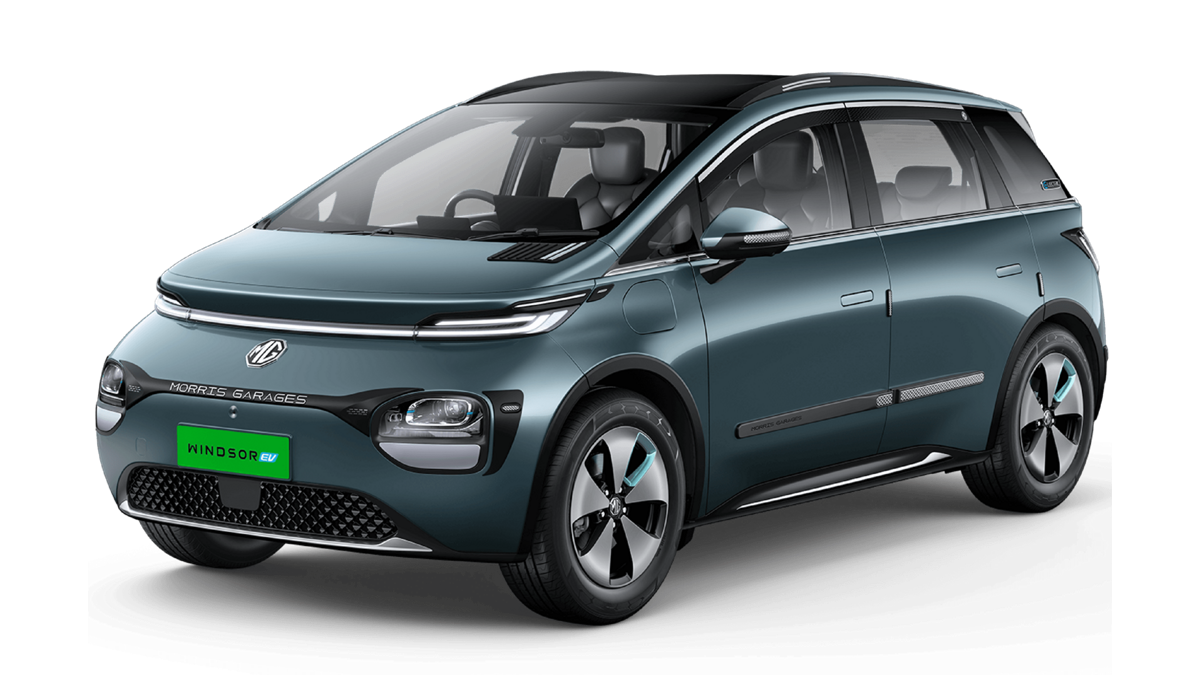
The domestic electric passenger vehicle segment is going through an aggressive evolutionary phase, and JSW MG Motor India is leading the charge from the front. In an official market announcement, the automaker confirmed that cumulative wholesales for its breakout electric crossover, the MG Windsor EV, have officially breached the monumental 75,000-unit milestone.
What makes this volume achievement deeply significant for the local automotive landscape is the timeline. The Windsor EV managed to cross this historic threshold in less than two years since its initial commercial launch. Supported by a massive surge in non-metro emerging markets alongside steady core tier-one city demand, the model has firmly consolidated its position as the top-selling individual electric vehicle model across the country.
Unpacking the H1 2026 Volume Momentum
The momentum behind the Windsor platform has shown zero signs of slowing down. During the first half of the calendar year 2026 (H1 CY2026), the manufacturer dispatched more than 19,000 individual units of the intelligent crossover utility vehicle (CUV). This consistent delivery schedule helped drive JSW MG Motor India to a healthy 13% year-on-year growth rate in overall sales compared to the exact same period last fiscal year.
A closer look at the corporate dispatch sheets indicates that battery-powered variants now regularly account for over 75% of the brand’s total monthly wholesale volumes. This is a massive structural departure from traditional internal combustion lineups, proving that buyers are actively seeking alternate energy solutions to shield themselves from high, unpredictable fuel expenditures.
Complete Product Specifications Matrix
To help your readers understand how the standard setup compares directly against the extended-range premium package, we have laid out the official engineering parameters, dimensions, and battery rental metrics in a clean structural overview:
| Core Engineering & Retail Parameters | Standard MG Windsor EV Setup | Premium Windsor EV Pro Variant |
| Primary Vehicle Structure Class | Intelligent CUV (Crossover) | Intelligent CUV (Crossover) |
| Traction Motor Architecture | Permanent Magnet Synchronous | Permanent Magnet Synchronous |
| Peak Power Output Generation | 136 PS (100 kW) | 136 PS (100 kW) |
| Max Torque Delivery Value | 200 Nm of Instant Torque | 200 Nm of Instant Torque |
| Lithium-Ion Battery Capacity | 38 kWh Pack | 52.9 kWh High-Density Pack |
| Certified Driving Range Metric | 332 Kilometres per Charge | 449 Kilometres per Charge |
| Interior Seating Configurations | Business Class 135° Aero Lounge | Business Class 135° Aero Lounge |
| Primary Digital Console Interface | 15.6-Inch Grandview System | 15.6-Inch Grandview System |
| BaaS Bare Base Price Point | From ₹9.99 Lakh (Ex-Showroom) | Upgraded Trims up to ₹19.00 Lakh |
| BaaS Kilometre Rental Tariff | ₹3.90 Per Driven Kilometre | ₹4.50 Per Driven Kilometre |
The Strategy: Breaking Traditional Segments
The primary driver behind this rapid market penetration is what the product development teams refer to as the “ABC Proposition.” Instead of forcing consumers to fit into a rigid, traditional body style category, the Windsor design combines three distinct worlds into a single platform:
- The pricing framework aligns tightly with traditional entry-level A-segment hatchbacks.
- The physical footprint and exterior dimensions occupy the practical space of a B-segment premium hatchback.
- The absolute interior cabin volume replicates the spacious, high-roof legroom typically reserved for premium C-segment multi-purpose vehicles.
By wrapping this single-box “AeroGlide” silhouette around a flat skateboard electric layout, the designers completely maximized internal living space. Families looking for a primary vehicle can utilize a massive lounge-like rear seating assembly that reclines up to 135 degrees, solving a common complaint about cramped rear cabins in similarly priced compact sub-4 meter combustion engine SUVs.
BaaS: Eliminating Upfront Cost Friction
Beyond the physical space, MG’s implementation of the Battery-as-a-Service (BaaS) commercial framework has permanently altered how buyers approach electric vehicle financing. By decoupling the initial purchase cost of the vehicle shell from the high manufacturing cost of the lithium-ion battery pack, the brand successfully lowered the entry barrier to a highly competitive ₹9.99 lakh.
Under this model, owners pay a low running tariff starting at just ₹3.90 per kilometre for the standard battery pack, effectively matching or beating the per-kilometre operational cost of traditional bi-fuel CNG options. This setup eliminates the common fear of long-term battery degradation costs while keeping monthly household transport budgets entirely predictable.
Future Portfolio Expansion: JSW MG Motor India is capitalizing on this momentum to scale its localized manufacturing ecosystem. The corporate board has already confirmed plans to introduce three entirely new electrified platforms before the conclusion of the 2027 fiscal year. This upcoming pipeline will feature two dedicated pure battery electric vehicles alongside a high-efficiency plug-in hybrid electric vehicle (PHEV) to capture buyers who regularly commute across massive intercity highway networks.
Final Thoughts
The 75,000 sales milestone is a clear sign that the domestic automobile market is ready to embrace ground-up electric vehicle designs when the value proposition hits the sweet spot. By addressing the classic hurdles of high initial acquisition costs, limited legroom, and complex cabin technology, the Windsor platform has transitioned from an experimental alternative choice into a mainstream volume powerhouse. As competitors scramble to launch their own dedicated electric frameworks later this year, MG’s established head start positions it perfectly to navigate the next wave of competitive mass-market adoption.

