





The Indian automotive sector kicked off the first quarter of the 2026–2027 fiscal year (Q1 FY27) with exceptional momentum. Across the board, key passenger vehicle manufacturers recorded healthy volume growth, signaling that retail demand remains structurally sound despite minor inflationary adjustments and supply chain variations.
According to consolidated retail registration data from the Vahan database, the market continues to expand dynamically. The growth is fueled by a shifting product mix, structural preferences for mid-size SUVs, escalating factory production capacity, and a massive surge in alternative powertrain vehicles, specifically factory-fitted CNG kits and electric vehicles (EVs).
The Frontrunners: Maruti Retains the Throne While Tata Explosively Accelerates
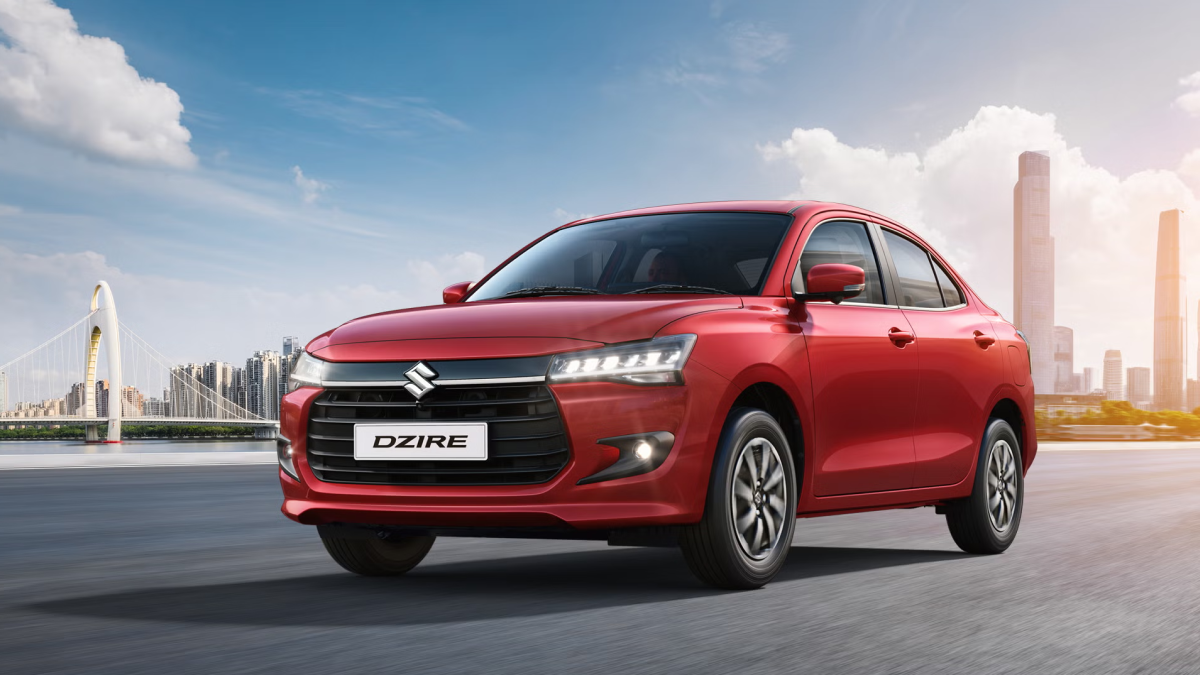
Maruti Suzuki India Limited maintained its uncontested position at the absolute peak of the Indian passenger vehicle sector. The manufacturer dispatched 4,98,632 total retail units during the April–June quarter, reflecting a strong 27.3% year-on-year (YoY) growth from the 3.91 lakh units registered in the same period last year.
Maruti’s balanced growth relied heavily on its small city cars (accounting for 2.69 lakh units) working alongside its utility crossovers like the Grand Vitara and Brezza (clearing 2.18 lakh units). Furthermore, the brand recorded a 40% uptick in customer bookings for its alternative CNG-equipped model variants.
Right behind the leader, Tata Motors Passenger Vehicles emerged as the fastest-growing volume carmaker in the country’s top tier. Tata logged an impressive 39.5% YoY growth trajectory, climbing to 1,74,299 units in Q1 FY27.
Tata’s expansion was anchored heavily by the mass-market success of the Punch and Nexon, alongside incremental premium volumes from the newly launched Sierra EV. In June 2026 alone, Tata’s electric vehicle segment nearly tripled its year-ago numbers, achieving a record-breaking 14,800 monthly EV sales.
Brand-Wise Quarterly Performance and Retail Matrix
The retail performance across India’s top six passenger vehicle manufacturers highlights a highly competitive landscape:
| Passenger Vehicle Manufacturer | Q1 FY27 Retail Units (2026) | Q1 FY26 Retail Units (2025) | Net Year-on-Year (YoY) Growth | Core Volume Driver Product Mix | Primary Alternative Powertrain Focus |
| Maruti Suzuki | 4,98,632 | 3,91,735 | 27.3% | Baleno, WagonR, Brezza, Ertiga | Smart Hybrid & Factory CNG Kits |
| Tata Motors | 1,74,299 | 1,24,984 | 39.5% | Punch, Nexon, Tiago, Sierra | Multi-Drive ICE & Pure Electric EVs |
| Mahindra & Mahindra | 1,65,402 | 1,44,797 | 14.2% | Scorpio-N, Thar, XUV700, XUV 3XO | Rugged mHawk Diesel & Gen-2 Born EV |
| Hyundai Motor India | 1,40,552 | 1,28,563 | 9.3% | Creta, Venue, Exter, i20 | Kappa Petrol & Premium Long-Range EV |
| Toyota Kirloskar | 84,474 | 75,356 | 12.1% | Innova HyCross, HyRyder, Fortuner | Multi-Stage Intelligent Strong Hybrids |
| Kia India | 75,122 | 61,451 | 22.2% | Seltos, Sonet, Carens, EV6 | Turbocharged GDI & Smart iMT Tech |
Stability and Expansion: The Mid-Tier SUV Monopoly
Mahindra & Mahindra successfully held its third-place position, narrowing the gap with Tata Motors by recording 1,65,402 retail units. Mahindra’s focused approach on true body-on-frame utility vehicles and premium monocoque SUVs paid off handsomely, capped off by June 2026 marking the first time in corporate history that its single-month domestic SUV sales crossed the 60,000-unit milestone.
Hyundai Motor India secured a stable fourth place with 1,40,552 units, managing a single-digit growth curve of 9.3%. Hyundai’s wholesale volumes were briefly limited by an unexpected vendor fire incident in early June that cost the plant nearly 13,900 production units, a deficit the company expects to iron out by the second quarter.
Meanwhile, Toyota Kirloskar Motor and Kia India both secured clean double-digit expansions. Toyota capitalized on its strong hybrid portfolio to clear 84,474 units (up 12.1%), while Kia India utilized refreshed trims of the Sonet and Seltos to climb 22.2% higher, hitting 75,122 units.
Looking Ahead: The Multi-Powertrain Roadmap
The structural takeaway from Q1 FY27 is clear: the Indian consumer is no longer defaulting solely to standard petrol or diesel engines. Buyers are actively diversifying, leaning toward high-efficiency strong hybrids, cleaner factory-fitted CNG cars, and accessible pure-electric options.
With manufacturers clearing out production bottlenecks and ramping up assembly lines, the domestic market is exceptionally well-positioned to head into the high-demand festive season with strong momentum and a highly resilient order book.

