



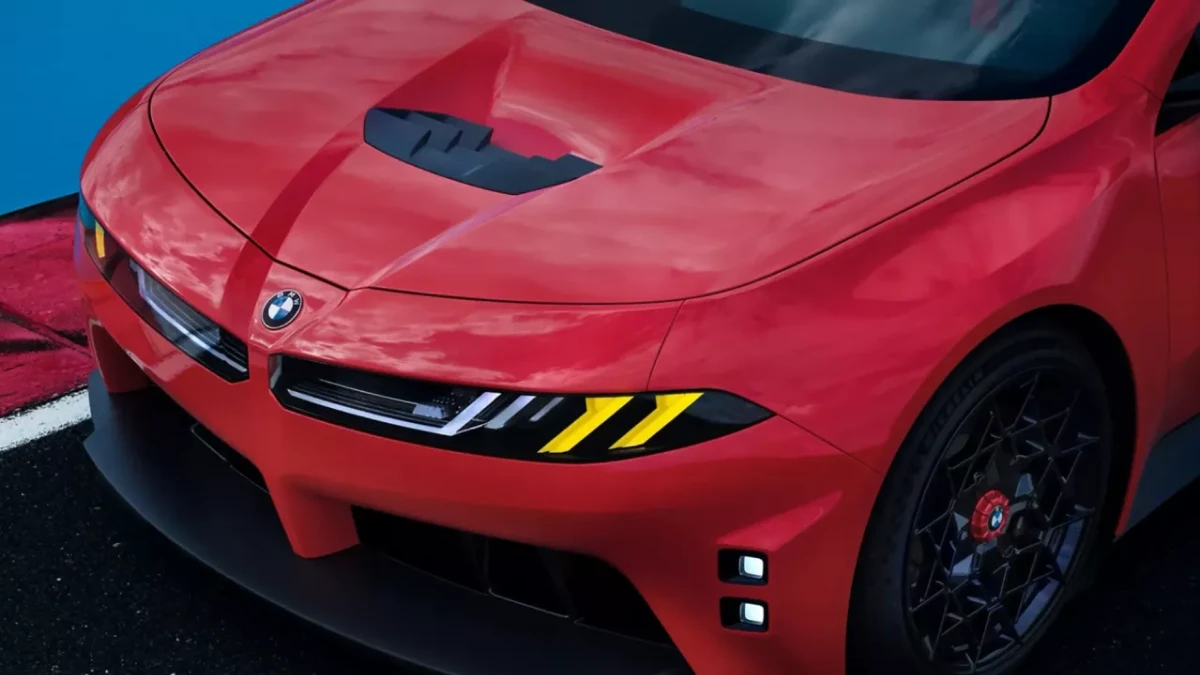
The performance division at Munich is preparing for its most radical architectural shift since the inception of BMW M. As the company rolls out its highly anticipated Neue Klasse (New Class) dedicated 800V electric vehicle platform, engineers are ensuring that the brand’s deeply ingrained performance heritage isn’t lost to silent efficiency.
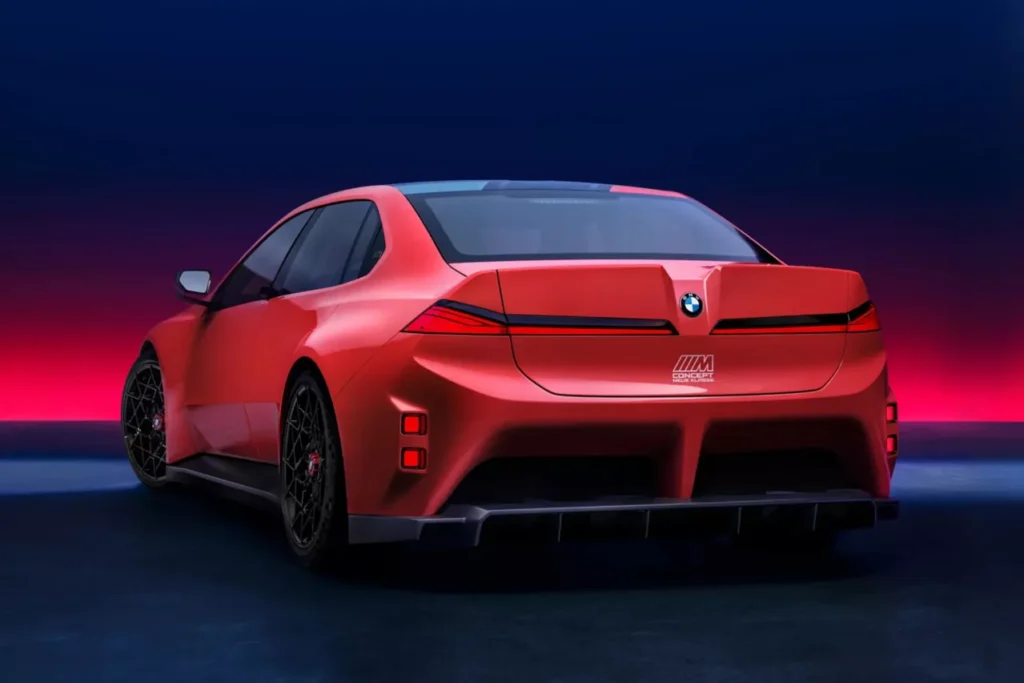
While early platform mules focused heavily on electric sedans and high-riding sports activity vehicles, internal product planning leaks have confirmed the ultimate enthusiast dream: BMW is officially developing an all-electric Neue Klasse M3 Touring performance wagon. This vehicle will serve as a direct high-performance companion to the upcoming electric M3 sedan, merging extreme track capability with the beloved, practical long-roof estate silhouette.
The “Heart of Joy”: Redefining M Dynamics via Quad-Motor Torque Vectoring
Transitioning an “M” badge into the pure electric space requires far more than just straight-line acceleration. To replicate and surpass the handling dynamics of traditional combustion-powered M cars, the Neue Klasse M3 Touring moves away from standard dual-motor layouts to embrace a high-performance Quad-Motor All-Wheel Drive system. With an independent, high-torque electric motor powering each individual wheel, the vehicle unlocks real-time, millisecond-level torque vectoring.
Managing this extreme power is BMW’s newly developed centralized computing brain, internally nicknamed the “Heart of Joy.” This high-speed super-brain unifies the vehicle’s entire powertrain, adaptive dampers, steering angle sensors, and braking system into a single control loop.
Instead of waiting for separate sub-systems to talk to each other, the central unit dynamically alters torque flow across all four wheels to actively eliminate understeer, pivot the heavy wagon through sharp corner apexes, and deliver the rear-biased, tail-happy driving characteristics that M enthusiasts expect.

800V Architecture: Solving the Thermal Packaging Challenge
High-performance track driving places immense thermal stress on electric vehicles, often causing rapid battery drain or power drops due to overheating. To solve this, the Neue Klasse platform upgrades to a cutting-edge 800-volt electrical architecture.
By doubling the operating voltage of traditional 400V systems, BMW reduces electrical current levels throughout the vehicle. This change limits heat generation while allowing for thinner, lighter internal high-voltage wiring.
The platform also debuts a new cylindrical battery cell design that improves volumetric energy density by 20% compared to previous pouch cells. This allows BMW to pack a high-capacity battery directly into the low floorboards of the wagon chassis without compromising interior passenger space or raising the vehicle’s low center of gravity.
The 800V setup also drastically cuts down charging times at public stations, allowing the long-roof wagon to accept DC fast charging speeds up to 350 kW to juice up from 10% to 80% in under 15 minutes.
Premium Performance EV Battle Matrix: Electric M3 Touring vs. Key Rivals
Upon its projected launch, the Neue Klasse M3 Touring will establish a highly specialized niche, facing off against an elite group of high-performance electric wagons and sportbacks.
| Performance EV Competitors | Platform Architecture Base | Powertrain Configuration | Peak System Output (Est.) | DC Fast Charge Peak | Projected 0-100 km/h | Target Launch Window |
| BMW NK M3 Touring | Neue Klasse 800V Dedicated | Quad-Motor AWD Vectoring | ~750 hp to 850 hp | 350 kW (DC Fast) | Under 2.8 Seconds | Late 2027 / 2028 |
| Porsche Taycan Turbo S Cross Turismo | Porsche J1 800V Platform | Dual-Motor AWD System | 952 hp (Overboost) | 320 kW (DC Fast) | 2.5 Seconds | Active Portfolio |
| Audi RS e-tron GT performance | Porsche/Audi J1 800V Base | Dual-Motor AWD System | 925 hp (Combined) | 320 kW (DC Fast) | 2.5 Seconds | Active Portfolio |
| Tesla Model S Plaid (Sportback Alternate) | Tesla Bespoke 400V Platform | Tri-Motor AWD System | 1,020 hp | 250 kW (DC Fast) | 2.1 Seconds | Active Portfolio |
Low-Slung Practicality: Cabin Design and Cargo Flexibility
Inside the cockpit, the Neue Klasse M3 Touring drops traditional analog buttons to focus heavily on a clean, digital environment. The driver-centric layout is anchored by BMW Panoramic Vision, a crisp projection band that stretches across the entire bottom edge of the windscreen to show vitals, lap times, and navigation cues right in the driver’s line of sight. This is paired with a central, uniquely shaped touchscreen and an upgraded M-specific flat-bottom sports steering wheel equipped with capacitive touch toggles.
Despite its track-focused capabilities, the estate layout ensures zero compromise on daily utility. The extended, flat roofline translates to massive rear-seat headroom for passengers, while the rear cargo bay provides over 500 liters of usable luggage volume with all seats deployed.
Furthermore, the cabin utilizes premium, highly sustainable eco-suede and lightweight recycled carbon-fiber composites throughout the dashboard and structural bucket seats, delivering an authentic racing environment that remains fully practical for weekend family road trips.
Strategic Market Takeaway
The development of the Neue Klasse M3 Touring shows BMW taking a definitive stand on the future of performance car culture. Rather than trying to adapt aging, heavy multi-fuel platforms to handle heavy battery loads, the German automaker is leveraging a dedicated born-EV platform to push performance boundaries.
By combining practical family utility with an incredibly advanced quad-motor torque-vectoring setup, BMW is successfully proving that the shift to electric power doesn’t mean giving up the raw driving engagement and versatility that made the M division legendary.

