


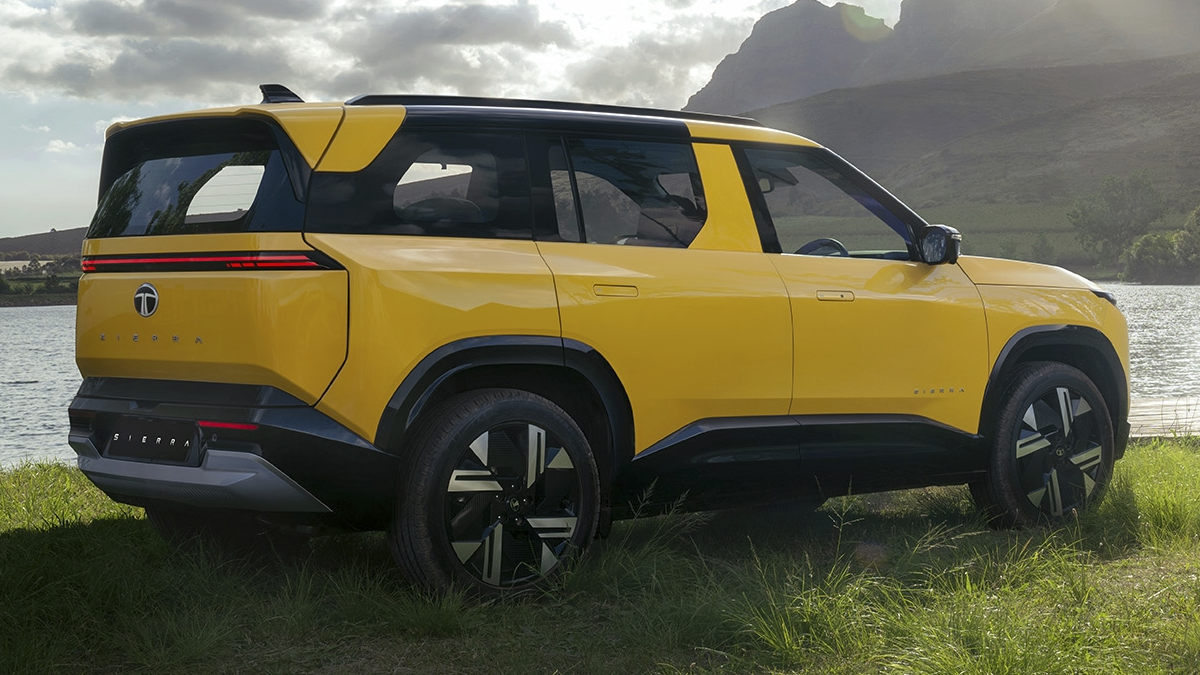
The Indian midsize SUV segment is no longer just a comfortable sales playground for established leaders. The category has been blown wide open by the arrival of two iconic badges making high-stakes, modernized comebacks: the all-new, third-generation Renault Duster and the avant-garde Tata Sierra.
Rather than chasing the exact same formula, these newcomers are attacking the segment from two completely different angles. The Duster leans heavily into mechanical ruggedness, while the Sierra establishes itself as a design-forward tech lounge. To survive, they must steal market share away from the tech-laden Kia Seltos and the driving enthusiast’s default choice, the Skoda Kushaq.
The Comeback Kings: Duster’s Grit vs. Sierra’s Glamour
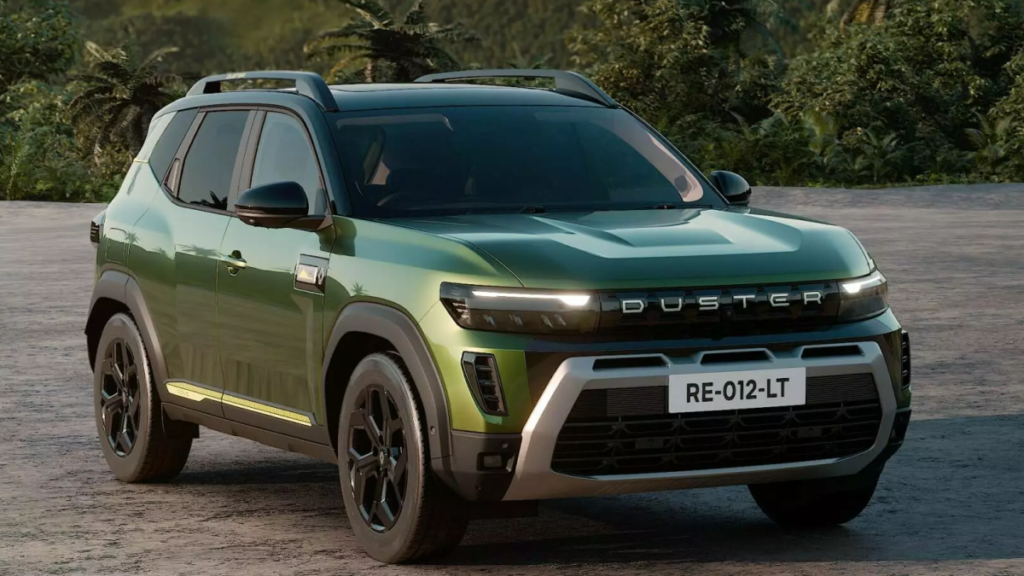
Renault’s return to form relies entirely on the brand-new Duster, moving away from its old legacy roots onto the advanced global CMF-B architecture. Visually, it ditches soft city-slicker styling for a highly muscular, squared-off silhouette, boasting a commanding 212 mm of ground clearance and sharp Y-shaped LED graphics.
Mechanically, it brings real muscle to the table with its top-tier TCe 160 engine—a 1.5-liter direct-injection turbo petrol unit pushing out a class-leading 163 PS of power and 280 Nm of torque, mated to a lightning-fast dual-clutch transmission (DCT). For those prioritizing pure utility, its high approach angles and a 5-star Bharat NCAP rating make it a genuinely rough-road ready machine.
On the other side of the ring sits the Tata Sierra, built on the versatile new ARGOS architecture. The Sierra plays a completely different psychological game, trading traditional ruggedness for an ultra-clean, minimalist design that pays homage to the legendary 90s glasshouse silhouette.
Stepping inside the Sierra feels less like a traditional cockpit and more like an upscale lounge, highlighted by an expansive triple-screen dashboard layout. This includes a dedicated 12.3-inch screen exclusively for the front passenger alongside a 12-speaker JBL Dolby Atmos sound system. Under the hood, it introduces Tata’s new 1.5-liter Hyperion direct-injection turbo petrol engine generating 158 PS, with a highly anticipated All-Wheel Drive (AWD) iteration locked in for next year.
The Defensive Guard: Seltos and Kushaq Fight Back
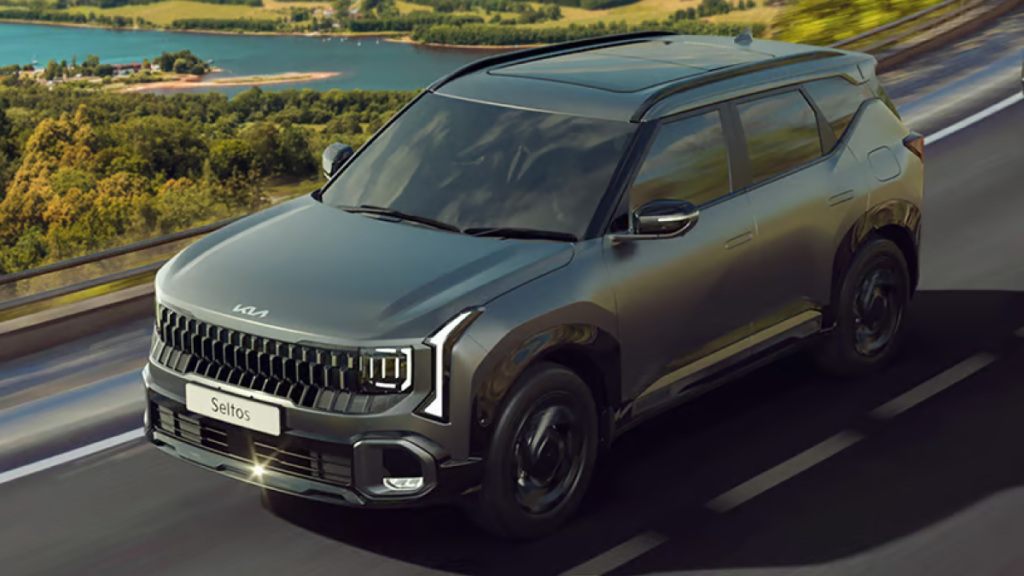
The arrival of these two powerhouses forces the segment’s established players to rely on their core strengths. The Kia Seltos remains the undisputed king of absolute luxury and cabin pampering. It continues to win over buyers who want zero compromises on features, offering dual-zone automatic climate control, a massive panoramic sunroof, and a highly polished Level 2 ADAS active safety suite. It also maintains an edge in mechanical variety, offering buyers a choice between refined naturally aspirated petrol, punchy turbo petrol, and highly efficient turbo diesel engines.
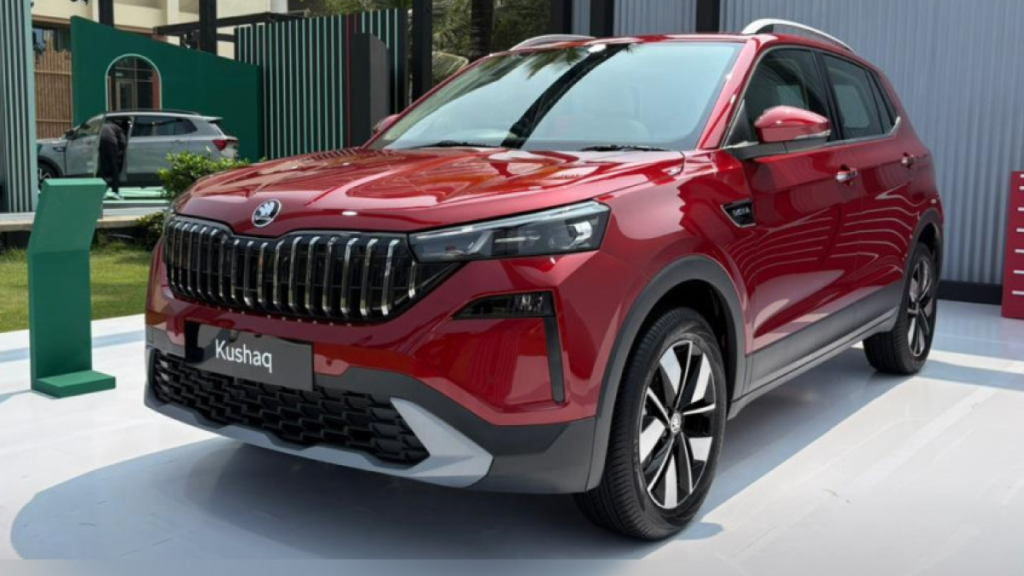
Meanwhile, the Skoda Kushaq ignores the feature war to focus entirely on mechanical soul and build quality. Built on the heavily localized MQB-A0(IN) platform, the Kushaq targets the purist who loves to drive. Its European-tuned suspension chassis flatly refuses to roll in tight corners, and its electronic differential lock system (XDS+) actively pulls the car through bends. Powered by the highly sophisticated 1.5-liter TSI engine with Active Cylinder Technology (ACT)—which shuts down two cylinders under light loads to save fuel—the Kushaq delivers an analog, connected driving experience that none of its digital rivals can fully replicate.
Midsize SUV Structural Breakdown
Choosing between these four highly distinct machines comes down to identifying exactly what you value most in a vehicle. The comparative table below breaks down the structural, mechanical, and character differences across the top-tier trims of all four contenders.
| Vehicle Model | Architecture Base | Flagship Engine Option | Maximum Power / Torque | Standout Segment USP | Cabin Philosophy |
| Renault Duster | Global CMF-B Platform | 1.5L TCe Turbo Petrol | 163 PS / 280 Nm | Segment-best 212 mm ground clearance & robust suspension | Rugged, utilitarian, and built to handle harsh terrain |
| Tata Sierra | Multi-Energy ARGOS | 1.5L TGDi Hyperion Turbo | 158 PS / 255 Nm | Radical triple-screen cockpit & future-ready AWD platform | Minimalist “lounge” theme with emphasis on rear-seat luxury |
| Kia Seltos | Hyundai-Kia K2 | 1.6L T-GDi Turbo Petrol | 160 PS / 253 Nm | Massive powertrain choices & seamless Level 2 ADAS suite | High-tech luxury maximized with dense feature lists |
| Skoda Kushaq | European MQB-A0(IN) | 1.5L TSI EVO Petrol | 150 PS / 250 Nm | Unmatched high-speed cornering stability & cylinder deactivation | Driver-centric, ergonomic, and solid European build |
Ultimately, the midsize SUV space has evolved past the point where one single car can satisfy every user. The choice has shifted from “which car is best” to “which lifestyle do you live?” If your weekends involve unmapped trails and rough roads, the Renault Duster is your tool. If you want to make a bold architectural statement on the evening commute, the Tata Sierra is unrivaled. For the absolute maximum tech-per-rupee value, look to the Seltos, and for the pure joy of the open highway, the Kushaq remains king.
