





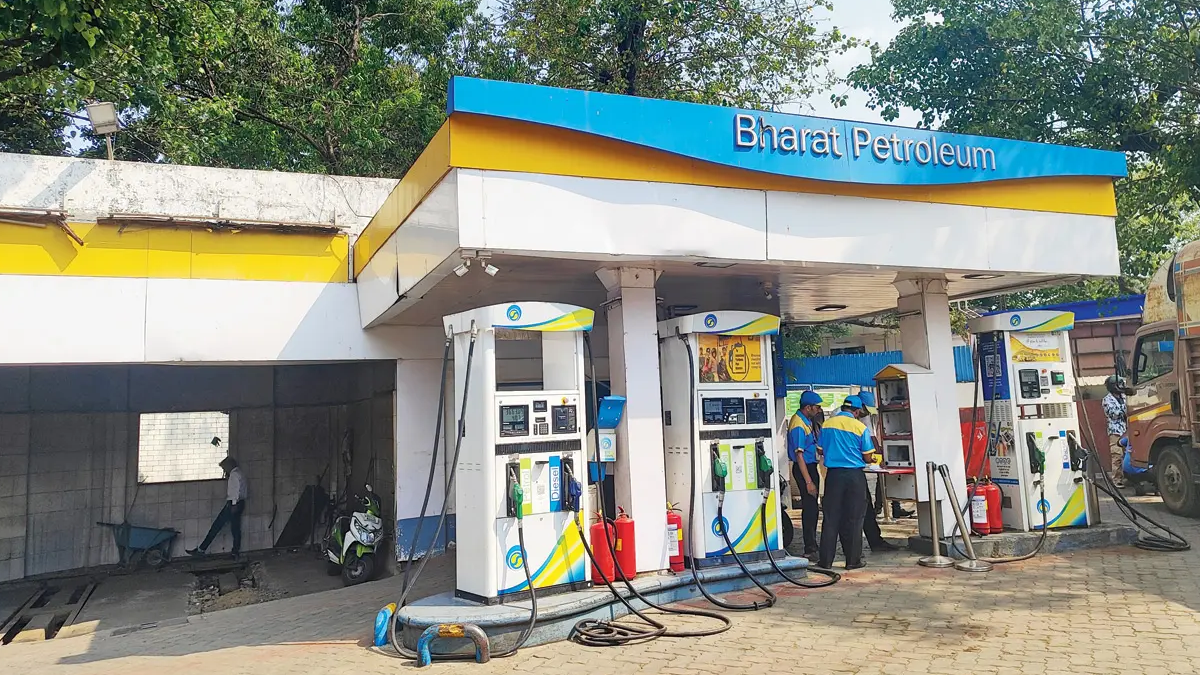
The Indian automotive sector is undergoing a profound, multi-pronged transformation. While battery electric vehicles (EVs) and smart CNG systems dominate urban commuting headlines, a quiet green revolution is taking shape right in India’s agricultural heartlands. India has already achieved its nationwide E20 (20% ethanol blended with 80% petrol) milestone ahead of schedule, fundamentally restructuring the base composition of retail petrol.
However, the Ministry of Road Transport and Highways (MoRTH) along with the Ministry of Petroleum and Natural Gas are pushing the boundaries further. With the official rollout of high-blend pilot programs and the recent unveiling of mass-market flex-fuel passenger vehicles by major carmakers like Maruti Suzuki, the roadmap has shifted toward E85 and E100 biofuels. This policy evolution aims to turn local crop surpluses into a domestic energy shield, insulating the economy from volatile global crude oil supply crises.
Defining the High-Blend Biofuels: E85 vs. E100
To navigate the future of personal mobility, it is crucial to understand that high-blend biofuels are not meant for standard internal combustion engines. They require specialized Flex-Fuel Vehicles (FFVs) engineered to dynamically adapt to varying chemical compositions.
The physical, chemical, and operational differences between these emerging fuel standards highlight their distinct roles in the energy transition:
| Fuel Metric & Parameter | E20 Blended Petrol | E85 Flex-Fuel Standard | E100 Biofuel Standard |
| Ethanol-to-Petrol Ratio | 20% Ethanol / 80% Petrol | 70% to 85% Ethanol / 15% to 30% Petrol | 93% to 100% Pure Hydrous Ethanol |
| Engine Compatibility | All modern BS6 Phase 2 vehicles | Specialized Flex-Fuel Vehicles (FFVs) only | Specially modified, dedicated mono-fuel engines |
| Research Octane Number | ~91 to 95 RON | ~105 to 108 RON (High knock resistance) | ~110+ RON (Ultra-high compression limit) |
| Lifecycle GHG Reduction | Baseline (~10-15% reduction) | Up to 61% reduction vs conventional petrol | Near-zero net carbon emissions over lifecycle |
| Energy Density Drop | Minimal (~2% to 4%) | ~28% to 32% lower than pure petrol | ~35% to 40% lower energy density |
| Infrastructure Status | Available nationwide at retail outlets | Pilot rolls in Delhi-NCR, Maharashtra corridors | 5,000 dedicated stations targeted by 2028 |
| Government Classification | Standard alternative fuel blend | NITI Aayog classified as Zero-Emission Vehicle | Green renewable fuel alternative |
The Macroeconomic Twin Benefits: Fiscal Savings and Rural Wealth
The transition to high-blend biofuels addresses a critical structural vulnerability: India’s heavy reliance on imported crude oil, which drains valuable foreign exchange reserves. By brewing ethanol domestically from sugarcane molasses, broken food grains, maize, and secondary agricultural residues, the country keeps its energy spend entirely within its borders.
The Farmer Income Multiplier: Government estimates indicate that shifting just half of all new two-wheeler and passenger vehicle sales to flex-fuel technology would create an additional demand for over 310 crore litres of ethanol. This would pump more than ₹12,000 crore of extra income straight into the rural agrarian economy, transforming farmers from crop growers into primary energy producers.
From an environmental standpoint, high-ethanol blends burn much more completely than pure fossil fuels. This significantly targets urban air pollution by cutting tailpipe carbon monoxide, hydrocarbons, and particulate matter (PM) emissions to near-zero levels.
Technical Hurdles: Engineering for a Corrosive Fuel
The primary engineering challenge of high-concentration ethanol is its chemical aggressiveness. Ethanol is highly hygroscopic—meaning it actively absorbs moisture from the air—and can corrode regular rubber seals, aluminum fuel lines, and steel tanks used in older cars.
To handle variable mixtures ranging from E20 up to E100, upcoming production cars like the flex-fuel Maruti Suzuki Fronx or the Toyota Innova Hycross prototype require completely re-engineered fuel delivery systems. Automakers use robust stainless-steel lines, chemical-resistant resin seals, high-flow fuel pumps, and dedicated fuel composition sensors. These sensors constantly analyze the ethanol percentage in real time, signaling the Engine Control Unit (ECU) to automatically adjust fuel injection timing and spark parameters.
The Infrastructure Race and Consumer Economics
The immediate obstacle holding back widespread adoption is the classic “chicken-and-egg” dilemma of fuel infrastructure. To address this, state-run Oil Marketing Companies (OMCs) have initiated a phased rollout strategy. The plan targets 500 operational E85 stations across major state corridors by late 2026, scaling up to a national grid of nearly 5,000 high-blend dispensing stations over the subsequent two years.
For the end consumer, the ultimate deciding factor will be operating economics. Because ethanol contains less energy density than petrol, running a car on E85 results in a noticeable 28% to 32% drop in fuel mileage. To offset this mileage penalty and incentivize buyers, the government plans to price E85 significantly lower than standard petrol. By pairing affordable fuel with potential state road tax concessions, the operational cost per kilometer will remain highly competitive with traditional internal combustion engines.
The Verdict
E85 and E100 biofuels represent a practical, highly adaptive pathway within India’s multi-fuel transport strategy. They do not seek to replace electric vehicles or strong hybrids, but rather work alongside them. By combining advanced engine calibration with domestic agricultural output, India is building a scalable, self-reliant mobility ecosystem that reduces urban smog while driving sustainable economic growth in rural communities.

