


The premium hatchback market in India has consistently demanded a delicate balance of compact urban agility, high-end feature packaging, and striking design. While compact SUVs have taken a massive bite out of the automotive market share, Hyundai has proven that a well-crafted, premium hatchback can still turn heads and command an elite presence.
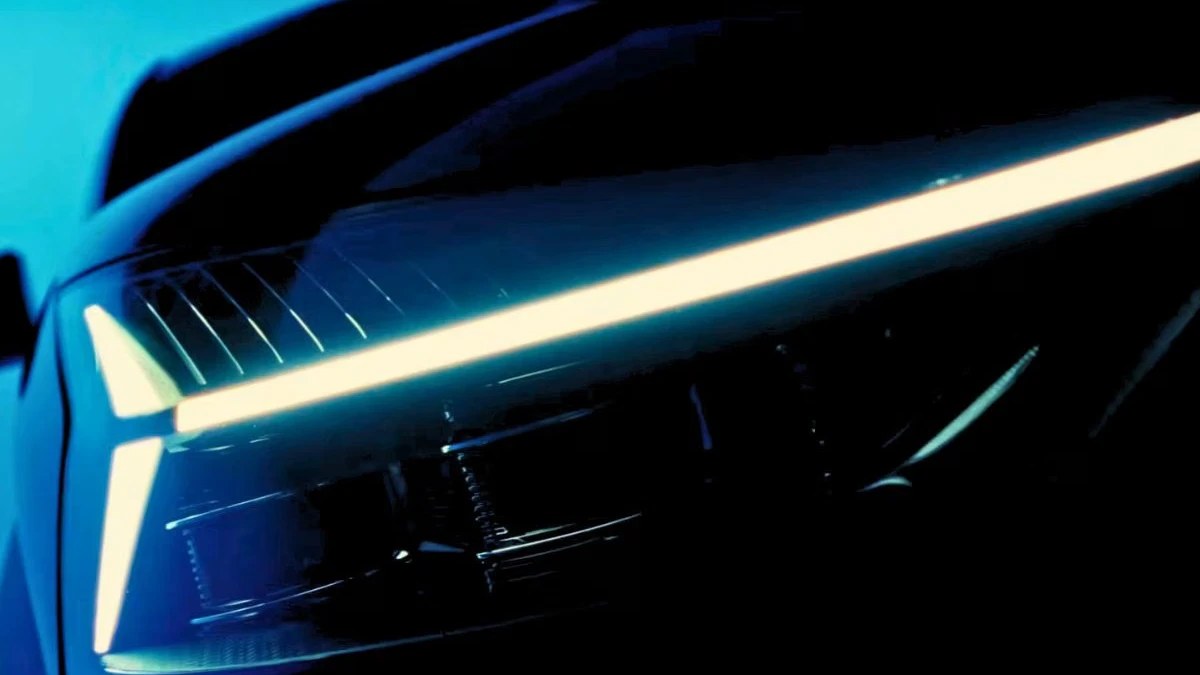
Giving enthusiasts a massive look into the future, Hyundai has officially dropped its second high-profile teaser for the heavily anticipated, fourth-generation 2026 Hyundai i20. The latest official previews reveal an aggressive, ultra-modern design direction that fundamentally shifts away from the current model’s flowing curves, adopting a razor-sharp, crossover-inspired stance instead.
The New Lighting Architecture: A Masterclass in Visual Width
The most dramatic takeaway from the latest teaser images is the vehicle’s production-spec lighting framework. Following the global design language seen on newer premium models, the 2026 Hyundai i20 completely revamps its night-time visual signature at both ends.
At the front, the premium hatchback receives a striking full-width LED light bar running seamlessly across the nose. This horizontal light bar connects two highly distinct, Y-shaped LED daytime running lamps (DRLs) at the outer corners, sharing a structural resemblance to high-performance European sports cars. The main rectangular projector headlamps have been shifted into separate, lower bumper housings to create a cleaner look.
The rear profile adopts a mirrored styling language. A thick, seamless light bar runs across the tail, anchored by sharp boomerang-shaped LED taillights. This intentional design focus dramatically emphasizes the car’s horizontal lines, making the premium hatchback look wider, more planted, and considerably more upscale.
Technical Specifications & Retained Powertrains
While the exterior skin takes a massive leap into the future, Hyundai is expected to play it safe and reliable under the hood for the Indian market, carrying over its highly successful engine lineup.
The regular family trims will rely on the smooth, naturally aspirated four-cylinder petrol motor, while the hot-hatch enthusiast crowd will see the return of the performance-focused N Line version. The anticipated powertrain configurations for the 2026 model illustrate what buyers can expect under the hood:
| Engine Type | Fuel Type | Maximum Power Output | Peak Torque | Transmission Alternatives | Targeted Target Audience |
| 1.2L Kappa Naturally Aspirated | Petrol | 83 PS (Manual) / 88 PS (iVT) | 114.7 Nm @ 4,200 rpm | 5-Speed Manual (MT) / Intelligent Variable Transmission (iVT) | Daily city commuters seeking maximum fuel economy and low upkeep. |
| 1.0L Kappa Turbocharged GDi | Petrol | 120 PS @ 6,000 rpm | 172 Nm @ 1,500-4,000 rpm | 6-Speed Manual (MT) / 7-Speed Dual-Clutch Automatic (DCT) | Performance enthusiasts looking for punchy mid-range acceleration. |

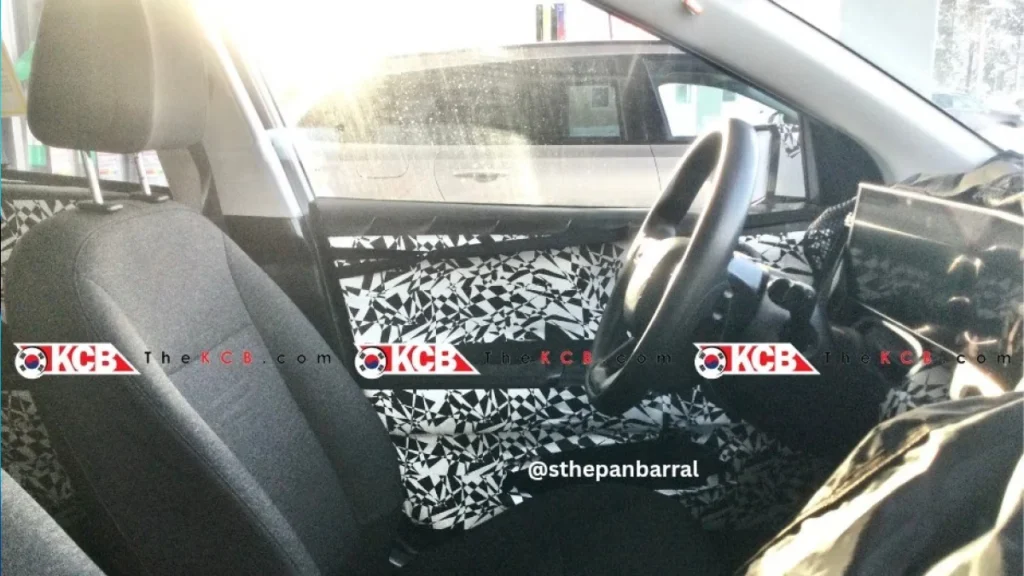
Image Source – Instagram @stephanbarral
Interior Overhaul: Curved Displays and Next-Gen Tech
While the manufacturer has closely guarded official interior photos, latest spy shots of international test mules reveal that the cabin is going through an equally radical transformation.
The centerpiece of the premium dashboard will be a magnificent, driver-centric curved dual-screen display. This setup houses a high-definition 10.25-inch digital driver’s instrument cluster and a twin 10.25-inch central touchscreen infotainment unit seamlessly under a single pane of premium glass. The system will run Hyundai’s updated Pleos Connect infotainment ecosystem, providing lighting-fast touch response and wireless integration for both Apple CarPlay and Android Auto.
To future-proof the vehicle against modern family expectations, Hyundai is introducing a highly sophisticated safety net to the top-tier trims. The 2026 i20 is slated to receive a comprehensive Level 2 ADAS (Advanced Driver Assistance Systems) suite. This package integrates critical active safety features including Forward Collision-Avoidance Assist, Lane Keeping Assist, and Blind-Spot Monitoring. This high-end tech is beautifully complemented by a 360-degree camera system, premium Bose audio components, a wireless charging pad, and an electric sunroof.
Market Positioning and Structural Evolution
Beyond simple lighting elements, the 2026 i20 changes its overall silhouette. The greenhouse area has been squared out, the nose sits noticeably more vertical, and the roofline tapers with sharper body creases. This gives the vehicle a taller, muscle-bound profile that echoes the styling cues of modern sub-compact crossovers while strictly maintaining its nimble, sub-4-meter hatchback dimensions.
Once it makes its grand global debut—highly rumored to align with the upcoming 2026 FIFA World Cup promotional windows—it will make its way to Indian shores. It will resume its long-standing rivalry with the Maruti Suzuki Baleno, Toyota Glanza, and the Tata Altroz, effectively raising the luxury benchmark for the entire segment.
For a complete breakdown of the premium hatchback’s expected cabin changes, upcoming platform engineering upgrades, and projected variant pricing, watch this detailed 2026 Next-Gen Hyundai i20 First Look Video. This comprehensive walkaround covers the vehicle’s bold front lighting signature and expected safety tech upgrades to give you a clear view of its real-world road presence.

