


Car buyers across India have a very narrow window left to secure their next vehicle at existing rates. Maruti Suzuki India Limited (MSIL), the country’s largest passenger vehicle manufacturer, has officially announced a comprehensive price revision across its entire product portfolio. Effective from June 2026, the carmaker will implement a price hike of up to ₹30,000.
According to a regulatory filing submitted by the company to the Bombay Stock Exchange (BSE), the exact quantum of the price increase will vary significantly depending on the specific model, fuel type, and variant selected.
The Driving Factors: Why are Prices Going Up?
Automobile manufacturers in India have been battling an incredibly adverse cost environment for several quarters. In its official exchange communication, Maruti Suzuki explicitly cited sustained inflationary pressures and a sharp spike in basic input costs as the primary catalysts for this correction.
The global automotive supply chain has faced compounding challenges, specifically driven by recent disruptions in maritime logistics and fluctuating raw material valuations. For the past several months, Maruti Suzuki noted that it actively deployed internal cost-control measures and efficiency initiatives to absorb these financial shocks. However, with production costs reaching elevated thresholds, passing a partial percentage of this operational burden onto the market became completely unavoidable.
The company emphasized that it has structurally designed the revision to ensure that the immediate financial impact on the end consumer remains minimal.
Segment Breakdown: From Budget Hatchbacks to Premium MPVs
Because Maruti Suzuki commands over 40% of the domestic passenger vehicle market share, this price hike will ripple across multiple consumer segments. The price adjustments will apply across both of the brand’s distinct retail operations:
1. The Arena Network (Mass-Market Portfolio)
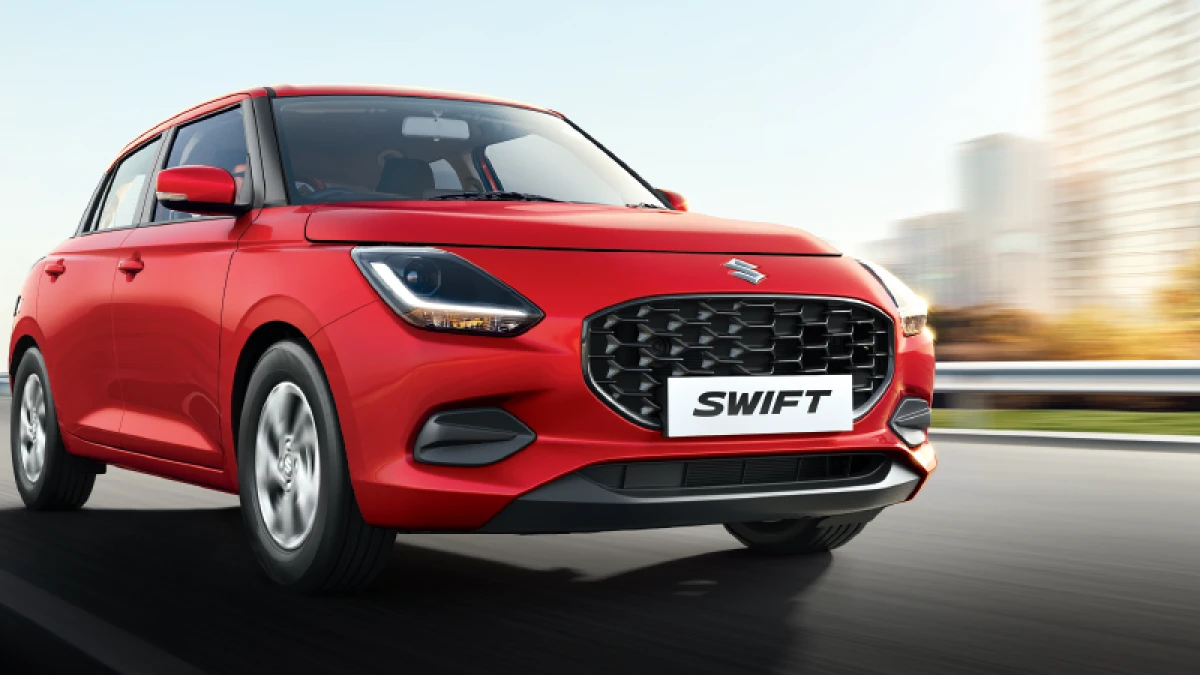
Maruti’s entry-level and mass-market consumer base will feel the squeeze on high-volume commuter models. This retail channel includes staples such as the Alto K10, S-Presso, Celerio, WagonR, and Swift, alongside utility vehicles like the Brezza and Ertiga.
- The Entry Tier: For entry-level models like the Alto K10 or S-Presso, the price hike is expected to sit at the lower end of the spectrum to protect price-sensitive buyers.
- The Mid Tier: Best-selling models like the newly revised Swift, Dzire, and the highly popular Ertiga MPV are anticipated to see moderate-to-high adjustments within the announced cap.
2. The Nexa Network (Premium & Utility Range)
The brand’s premium retail arm, which caters to a more upscale demographic, will see parallel upward adjustments. This channel handles the Baleno, Fronx compact crossover, Grand Vitara midsize SUV, Jimny 4×4, XL6, and the flagship Invicto hybrid MPV. It will also encompass the pricing structure of Maruti’s newer entries in the utility and alternative-energy spaces. Premium models carrying higher profit margins are likely to bear closer to the maximum ₹30,000 premium.
A Broader Trend in the Indian Automotive Sector
It is critical to note that Maruti Suzuki is not acting in isolation; rather, it is the last major domino to fall in this particular market cycle. The Indian automotive sector has seen uniform price corrections over the last sixty days:
- Tata Motors & Mahindra: Both manufacturers instituted upward price adjustments of up to 2.5% at the beginning of the fiscal quarter, pointing directly to raw material price volatility.
- Hyundai Motor India: The South Korean carmaker followed suit with a targeted portfolio price upward revision of up to 1% that went into effect in May 2026.
By waiting until June, Maruti Suzuki managed to absorb these costs longer than its primary competitors, but the persisting macroeconomic climate has forced their hand.
Final Takeaway for Buyers
If you currently hold an active booking or are on the verge of finalizing a purchase on a Maruti Suzuki vehicle, closing the deal before the end of May is a clear financial priority. Securing invoicing under current ex-showroom prices will save you anywhere from a few thousand rupees up to ₹30,000 before insurance premiums and registration taxes scale up alongside the new base cost.

