


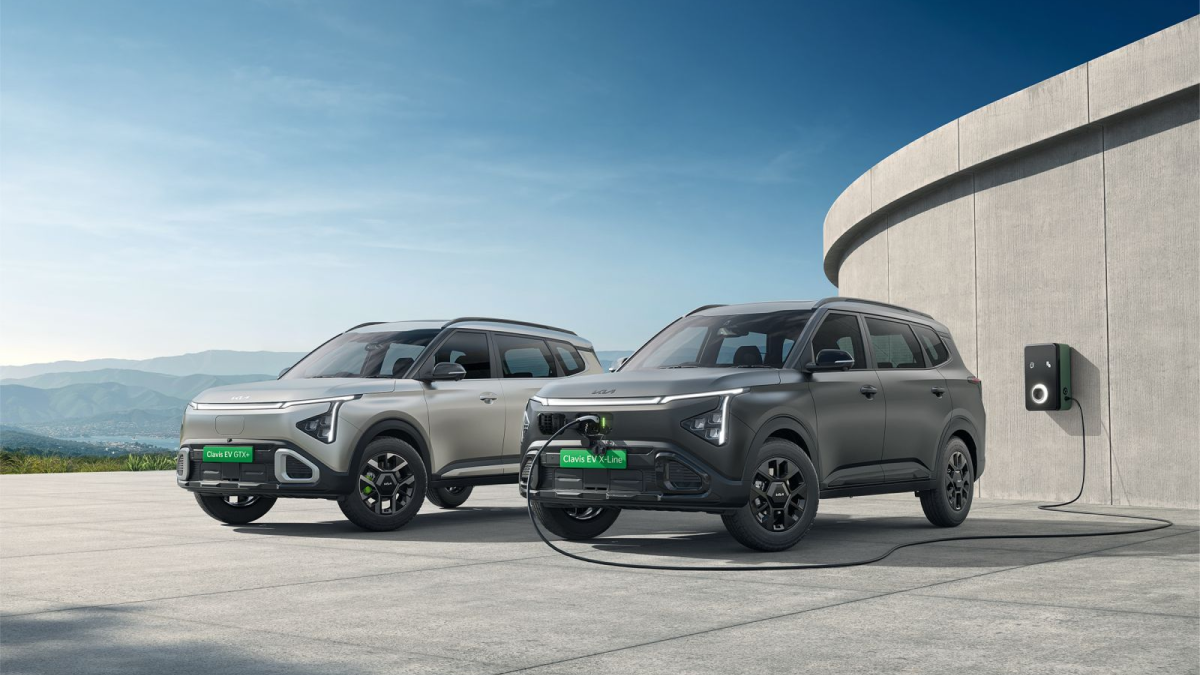
For years, the “EV tax”—the premium you pay for an electric car over its petrol counterpart—has been driven by the high cost of the battery pack. Today, Kia India has flipped the script. By introducing the Battery-as-a-Service (BaaS) model for the Carens Clavis EV, they have managed to slash the upfront acquisition cost by over ₹5 lakh.
Under this new structure, you don’t “buy” the battery; you subscribe to it. This approach doesn’t just lower your down payment—it turns the most expensive part of the car into a manageable, pay-per-use operating expense.
The Math Behind the BaaS Model
The Carens Clavis EV normally carries an ex-showroom price of ₹17.99 lakh for the Standard version. However, with the BaaS finance program, the entry point looks significantly different:
| Component | Standard (42 kWh) | Extended Range (51.4 kWh) |
| Ex-Showroom (Full) | ₹17.99 Lakh | ₹21.99 Lakh |
| Chassis Price (BaaS) | ₹12.84 Lakh | ₹15.94 Lakh |
| Minimum Down Payment | ₹51,520 | ₹60,452 |
| Monthly EMI (Body) | ₹26,650 | ₹33,099 |
| Battery Rental Cost | ₹3.3 per km | ₹3.3 per km |
By separating the loans, Kia allows you to finance the vehicle body for 60 months while the battery component can be financed for a longer period of 96 months, significantly easing the monthly pressure on your wallet.
Why This is a Game-Changer
The BaaS model is more than just a financing trick; it’s a shift in how we view car ownership.
1. Lower Upfront Barrier
With a down payment starting at just ₹51,520, the Carens Clavis EV is now priced competitively with mid-range petrol SUVs. You are no longer paying a premium for “potential” fuel savings; you are realizing those savings from day one.
2. Pay-As-You-Go Efficiency
The battery rental fee is fixed at ₹3.3 per kilometer. For a typical urban commuter driving 1,000 km a month, the battery “fuel” cost would be around ₹3,300. When you combine this with the low cost of electricity for charging, the total running cost remains significantly lower than a traditional internal combustion engine (ICE) vehicle.
3. Battery Peace of Mind
One of the silent benefits of the BaaS model is the removal of “battery anxiety.” Since the battery is part of a service program supported by major banks (including HDFC, ICICI, and Axis), the long-term health and residual value of the battery are managed by the ecosystem, not just the individual owner.
Performance and Practicality
Choosing the BaaS model doesn’t mean compromising on specs. The Carens Clavis EV remains a powerhouse:
- Range: Up to 404 km (Standard) or 490 km (Extended Range).
- Fast Charging: 0 to 80% in just 39 minutes via a 100kW DC fast charger.
- Technology: Integrated with the K-Charge platform via the MyKia app, giving you access to over 15,000 charging points nationwide.
Final Verdict
The Kia Carens Clavis EV was already a strong contender in the electric MPV space. With the introduction of BaaS, it has become arguably the most sensible financial choice for large families and high-mileage drivers. It bridges the gap between “dreaming of an EV” and “owning an EV.”
Would you prefer the lower upfront cost of the BaaS model, or do you still prefer traditional full-ownership? Let us know in the comments below!
