



The Indian automotive landscape is undergoing a transformation that was unthinkable just five years ago. As we look back at the final numbers for Fiscal Year 2026 (FY26), one thing is clear: while the internal combustion engine (ICE) is still the king of the road, the “electrified” contenders are no longer just niche players.
From the bustling streets of Mumbai to the highways of Punjab, buyer preferences are diversifying. Let’s break down the segment leaders that defined the year and what they tell us about the future of Indian mobility.
The Reigning Champions: Petrol and CNG
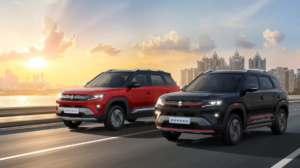
Despite the buzz around new technologies, Petrol remains the bedrock of the Indian market. Maruti Suzuki continued its undisputed dominance here, with models like the Swift and Baleno leading the charge. The reliability, easy maintenance, and vast service network of Maruti Suzuki make petrol the “safe” and preferred choice for millions of first-time buyers.
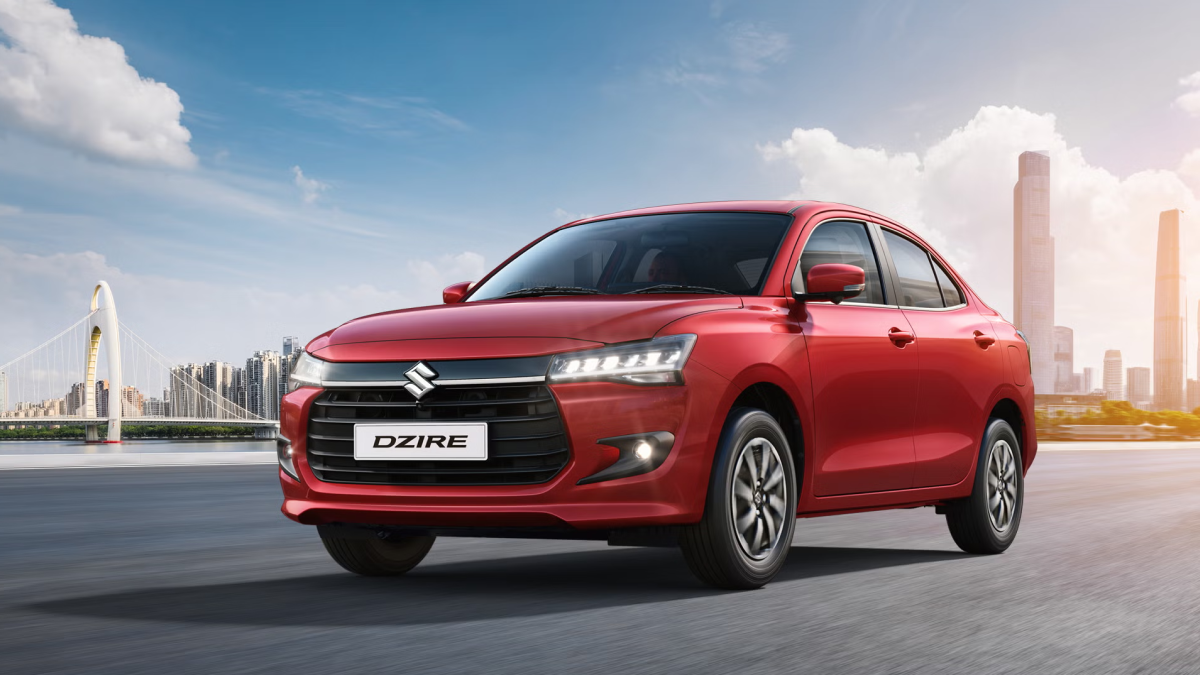
However, the real surprise is the sheer volume of CNG sales. The Maruti Suzuki Ertiga and Dzire emerged as the heavyweights in this category. With petrol prices remaining a sensitive point for the average household, CNG has transitioned from a “taxi-only” fuel to a mainstream family choice, offering the perfect middle ground between high running costs and expensive EV batteries.
The Diesel Stronghold
If there is one segment where diesel refuses to back down, it is the SUV category. Mahindra & Mahindra dominated this space in FY2026. The Scorpio-N and XUV700 have proven that for heavy-duty performance, long-distance touring, and “big car” appeal, the torque and efficiency of a diesel engine are still hard to beat. While small diesel cars have vanished, the “Big SUV” buyer still views diesel as the gold standard.
The Hybrid Breakthrough: Toyota’s Masterclass
FY2026 was arguably the “Year of the Hybrid.” The Toyota Innova Hycross didn’t just lead the hybrid segment; it redefined it. By outselling its diesel counterpart (the Crysta) by a significant margin, the Hycross proved that Indian luxury buyers value smoothness and fuel efficiency. Toyota’s success has shown that strong hybrids are the most practical bridge for those not yet ready to jump into the world of charging cables.
The Electric Surge: Enter the MG Windsor
In the EV space, the narrative shifted. While Tata Motors held a strong overall market share, the MG Windsor EV became a standout success story. Its clever packaging and “Battery-as-a-Service” model lowered the entry barrier for many, making it a common sight in urban centers. Along with the Tata Nexon EV, these vehicles are proving that range anxiety is slowly being replaced by “charging confidence” as infrastructure improves.
Key Takeaways for FY2026
- The Hybrid Tilt: Strong hybrids are growing faster than any other powertrain as buyers seek premium efficiency.
- SUV Obsession: Whether it’s petrol, diesel, or electric, the SUV body style continues to swallow market share from hatchbacks and sedans.
- The 2026 Milestone: This year marked the first time that “Alternative Fuels” (CNG, Hybrid, EV) combined to represent a massive portion of the total market, signaling that the shift toward electrified mobility is now irreversible.
Conclusion
India’s auto market is no longer a “one-size-fits-all” industry. Whether you’re a long-distance cruiser, a budget-conscious commuter, or a tech-savvy early adopter, there is a powertrain built for you. As we move toward 2027, the competition is only going to get more electric.

