




Toyota has officially shifted from being a “cautious participant” in the Indian market to a dominant infrastructure player. The company’s announcement of a $1.9 billion investment to establish three new production facilities in Maharashtra by 2030 marks a pivotal moment for the “Make in India” initiative.
This move signals that Toyota views India not just as a consumer base, but as a critical node in its global supply chain, particularly for high-tech hybrid and electric vehicle (EV) components.
1. The Strategy: Why Three New Plants?
The logic behind the triple-plant expansion is centered on localization. Currently, many high-tech components for Toyota’s hybrid systems are imported, which keeps costs high.
- Plant 1 (Hybrid Powerhouse): Expected to focus on the high-volume production of the e:HEV hybrid drivetrains, bringing the cost of models like the Hyryder down through local sourcing.
- Plant 2 (The EV Pivot): Dedicated to Toyota’s upcoming BEV (Battery Electric Vehicle) lineup, ensuring the brand can compete with local players like Tata and Mahindra.
- Plant 3 (Component & Export Hub): Designed to produce engines and parts for both domestic use and export to emerging markets in Southeast Asia and Africa.
2. April 2026: The “Hybrid Wave” in Numbers
Toyota’s investment announcement comes on the heels of a stellar sales performance. In April 2026, TKM reported a 17% Year-on-Year (YoY) sales growth, moving over 22,000 units in a single month.
The drivers of this growth are undeniably the “Hy-twins”:
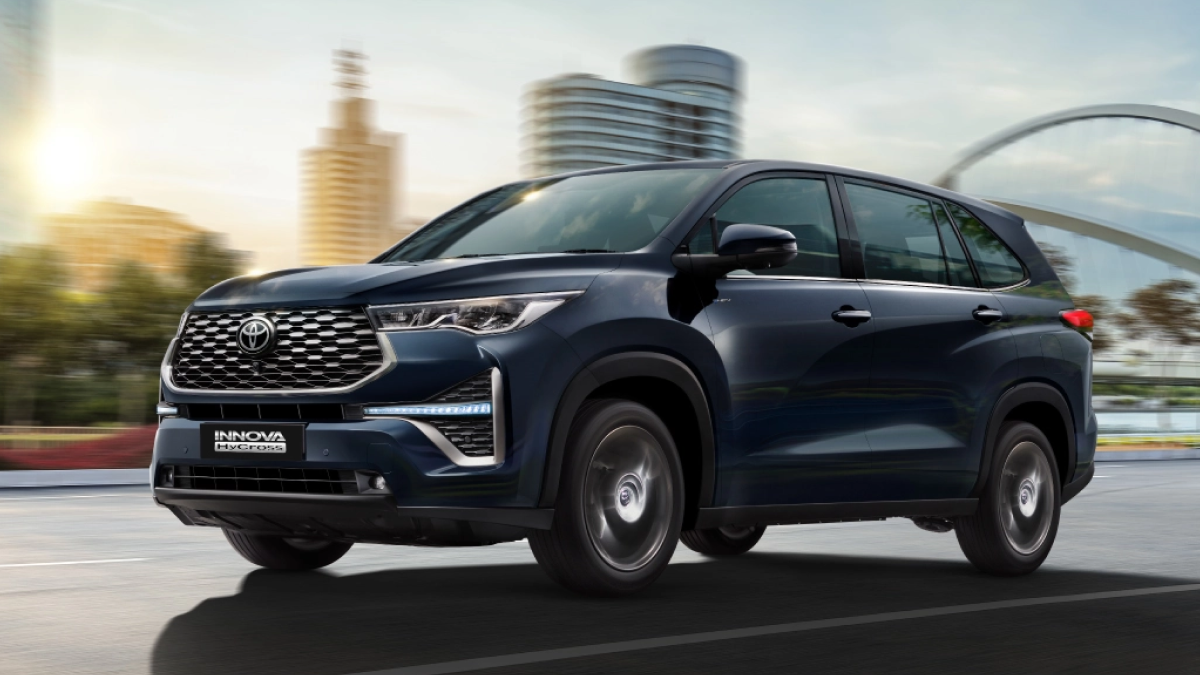
- The Innova Hycross: Demand remains so high that wait times for the top-end hybrid trims still stretch several months.
- The Urban Cruiser Hyryder: This model has successfully cracked the mid-size SUV segment, appealing to buyers who want EV-like fuel efficiency (27+ kmpl) without the need for a charging plug.
Toyota India Sales Breakdown (April 2026)
| Model Segment | YoY Growth | Primary Driver |
| MPVs (Innova/Rumion) | +21% | Hybrid availability and fleet demand. |
| SUVs (Hyryder/Fortuner) | +15% | High resale value and rugged reliability. |
| Hatchbacks (Glanza) | +8% | Urban commuters looking for premium features. |
3. The Big Picture: Hybrid vs. Electric
Toyota’s strategy remains unique in the Indian context. While the government pushes heavily for total electrification, Toyota’s massive investment proves they believe in a multi-pathway approach. By doubling down on hybrids, Toyota is catering to the “real India”—where long-distance highway travel and limited rural charging infrastructure make self-charging hybrids the most practical “green” choice.
The Final Word
By 2030, Maharashtra will likely be the heart of Toyota’s “Green Revolution.” This $1.9 billion investment is more than just a capacity expansion; it is a vote of confidence in the Indian economy. For the consumer, this means better availability of cars, more competitive pricing due to localization, and a wider variety of powertrain options that suit Indian driving conditions.
Are you ready to make the switch to a hybrid, or are you waiting for Toyota’s first full-EV plant to start production? Let us know in the comments!

