


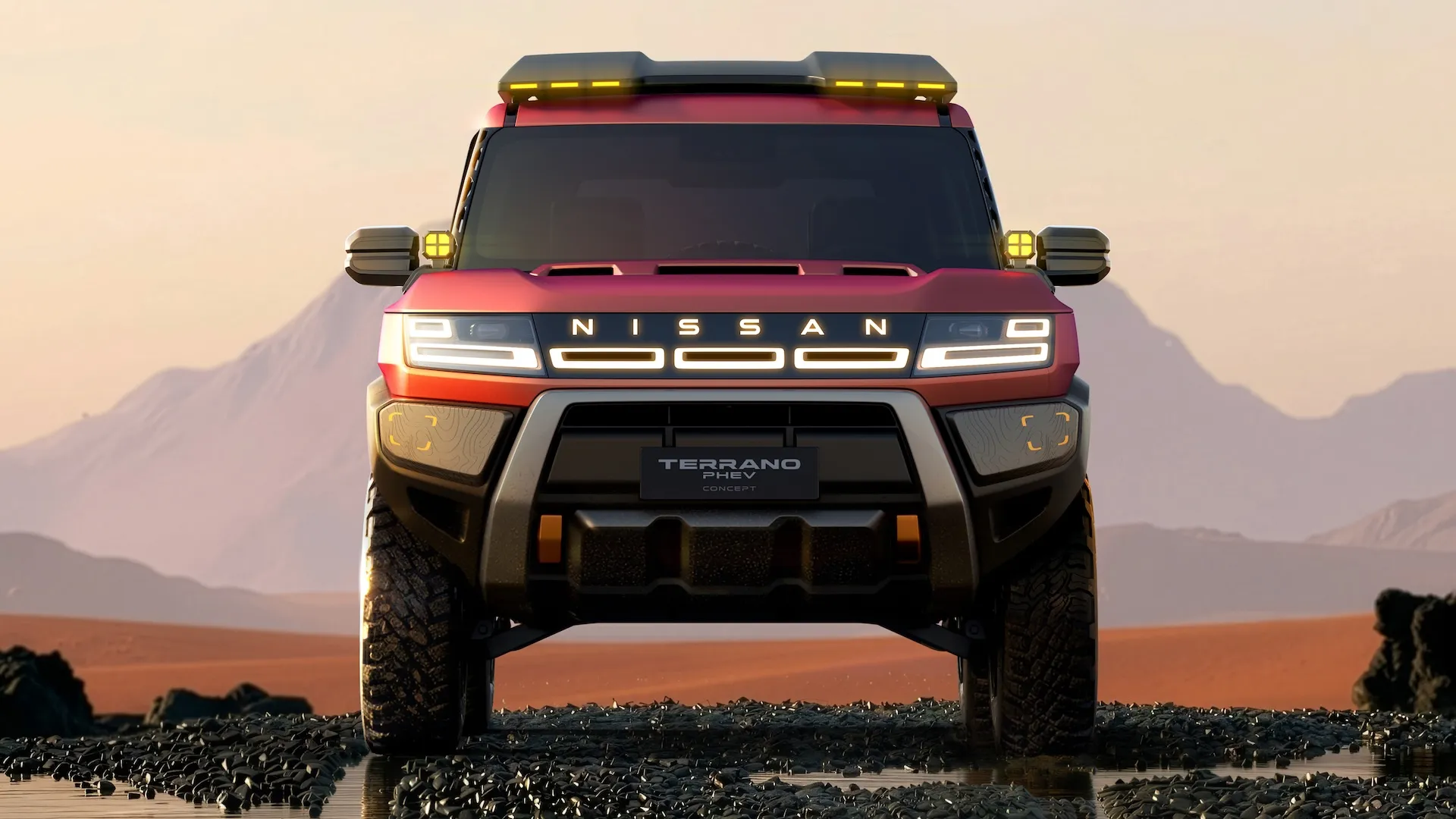
The automotive landscape is shifting from “experimental” EVs back to a more balanced, hybrid-heavy reality. On April 20, 2026, Nissan Corporation underscored this pivot by unveiling two major pillars of its global electrification strategy: the Urban SUV Concept and the Terrano PHEV Concept.
While these are currently labeled as concepts, Nissan confirmed they are 90% production-ready, with a commercial launch planned for the first half of 2027. For markets like India, these models represent the most realistic bridge between the current Magnite-led era and a fully electric future.

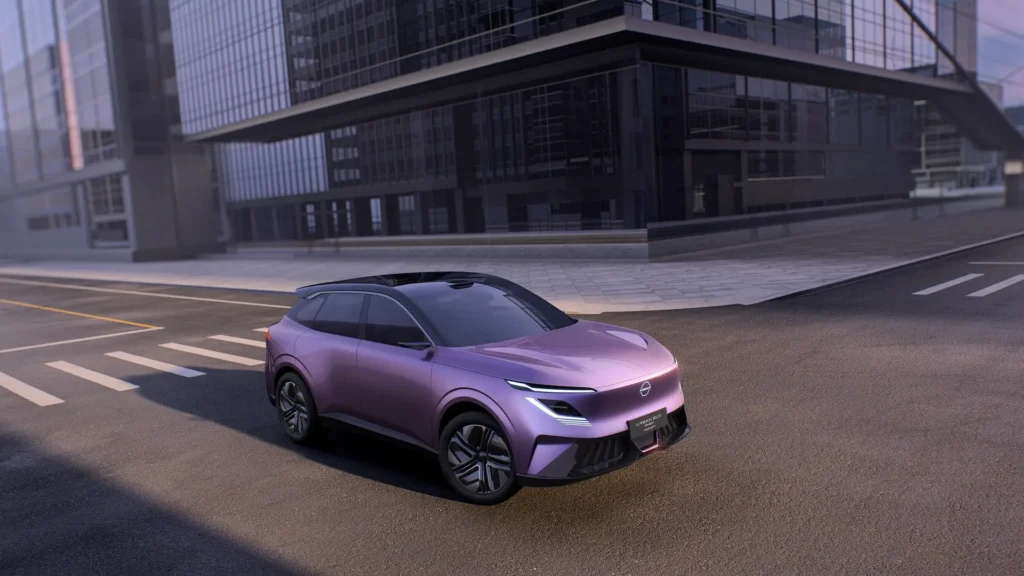
1. The Urban SUV: The “Electric-First” City Crossover
The Urban SUV Concept is a design-forward B-segment crossover meant to compete directly with the likes of the Hyundai Kona and the upcoming Tesla “Model 2.”
- The Design Language: It debuts the “Aero-V” styling, featuring a razor-thin LED bar that curves around the hood, effectively replacing the traditional V-Motion grille.
- The Battery Tech: Unlike current models, the Urban SUV is built to eventually house Solid-State Batteries (ASSB). For the initial 2027 production run, it will utilize a high-density LFP (Lithium Iron Phosphate) pack to keep the entry price point near the $25,000 (₹21 lakh) mark.
- Urban Agility: At 4.2 meters long, it features a radical 10-degree rear-wheel steering system, giving it a turning radius tighter than most hatchbacks—a critical feature for dense urban centers.
2. The Terrano PHEV: Ruggedness Meets 90km Silent Range
The return of the “Terrano” nameplate is a significant move. This isn’t just a nostalgic badge; it’s a rugged, D-segment SUV designed for those who find the Ariya too “soft” for off-road use.
The Hybrid Powertrain
The Terrano PHEV utilizes Nissan’s third-generation e-POWER system, but with a massive twist: a plug-in capability.
- EV-Only Range: It features a 22kWh battery that allows for 90 km of pure electric driving — enough for the average daily commute without ever firing the petrol engine.
- The “Generator” Mode: When the battery dips below 15%, the 1.5-litre turbocharged engine kicks in, acting as a generator to power the electric motors. This “Series-Parallel” hybrid setup eliminates range anxiety while maintaining the high torque (450 Nm) needed for heavy trails.
3. Market Relevance: Why This Matters for 2026/27
These concepts are the first physical manifestations of Nissan’s “The Arc” business plan, which aims to launch 30 new models by 2030.
The India Connection: Nissan India is currently evaluating the Terrano PHEV for a localized assembly (CKD) route in late 2027. By leveraging the existing alliance plant in Chennai, Nissan could offer a premium hybrid SUV that bypasses the lack of charging infrastructure in Tier-2 and Tier-3 cities.
Concept Spec Comparison
| Feature | Urban SUV Concept | Terrano PHEV Concept |
| Primary Drivetrain | Full Electric (BEV) | Plug-in Hybrid (PHEV) |
| Max Range | 450 km (est.) | 850 km (Combined) |
| Off-road Tech | e-4ORCE Torque Vectoring | Mechanical Locking Diff + e-4ORCE |
| Tech Highlight | Smart Glass Panoramic Roof | V2L (Vehicle-to-Load) 3.6kW |
The Verdict
Nissan’s April 2026 reveal proves they aren’t putting all their eggs in the “EV-only” basket. By pairing a sleek, city-focused EV with a rugged, long-range hybrid, Nissan is covering both ends of the consumer spectrum. If the production versions stay true to these designs, the Terrano PHEV, in particular, could become the most formidable rival the Toyota Fortuner has faced in a decade.
Would you prefer the silent efficiency of the Urban SUV or the go-anywhere range of the Terrano PHEV for your next garage addition? Let us know in the comments!

